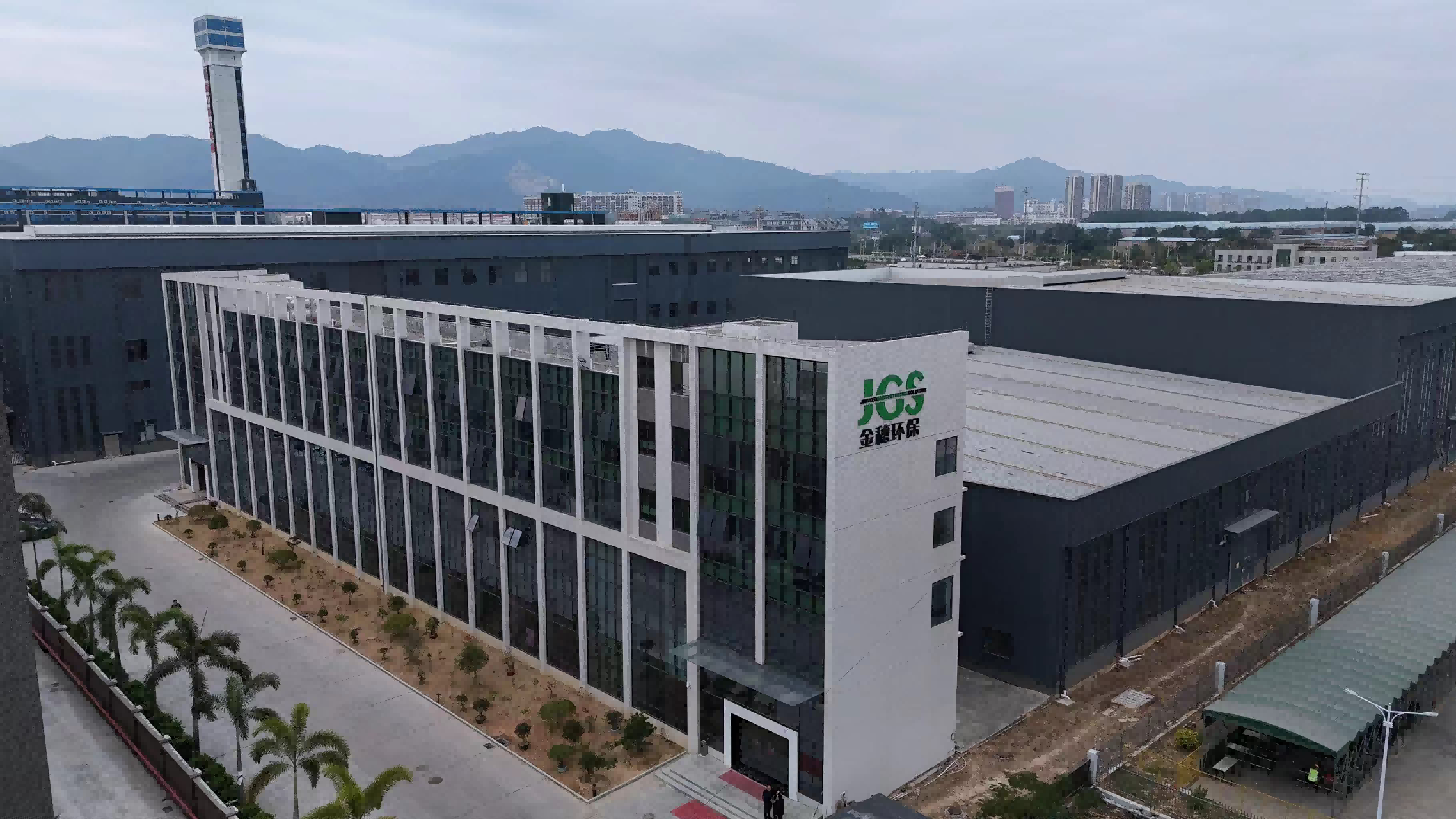

Woven Geotextile Fabric Exporter: Key Factors for Successful International Sourcing
2026-08-30
Sourcing woven geotextile fabric internationally isn’t just about finding the lowest price—it’s about avoiding costly mistakes that can derail an entire project. From inconsistent roll widths and misleading tensile strengths to exporters who vanish after the first shipment, the risks are real. That’s why understanding the key factors—material certifications, production capacity, and logistics reliability—matters before you commit. In this post, we’ll break down what separates a dependable woven geotextile fabric exporter from the rest, with insights from JInseed Geosynthetics Solution to guide smarter sourcing decisions.
What Actually Makes a Woven Geotextile Exporter Worth Your Time
Most importers learn the hard way that a low unit price rarely tells the whole story. The exporters who stay in your supply chain for years tend to be the ones who ask about your subgrade conditions before quoting a roll count, not after the container has already sailed. They understand that a woven geotextile spec'd for a haul road in Texas might fail on a silty rail corridor in Poland, and they flag that mismatch without being prompted. That kind of proactive technical read is the real filter between a transactional vendor and a partner who actually reduces your site headaches.
Beyond the spec sheet, look for consistency in how the fabric performs across production batches. A worthwhile exporter will have records of tensile grab strength, CBR puncture resistance, and apparent opening size from multiple lots, and they won't hesitate to send those along when you ask. They also tend to have a clear line on raw polypropylene or polyester sourcing, which matters more than many buyers assume—fibre quality shifts can quietly change long-term UV stability. If the exporter can walk you through their own QC rejection rates and what triggers a re-run, you're probably talking to someone who has moved beyond 'good enough' manufacturing.
Finally, pay attention to how they handle damage claims, load configuration, and documentation. A trustworthy exporter will proactively send weight tickets, mill certificates, and packing lists formatted for your customs broker, not just a generic invoice. They'll also be upfront about lead-time buffers during peak port congestion and won't promise a sailing date that they can't control. These operational habits cost them nothing extra but save you from demurrage charges and project delays—which, in practice, is what separates a supplier you tolerate from one you actually call back.
Checking Under the Hood: Specs and Standards That Matter
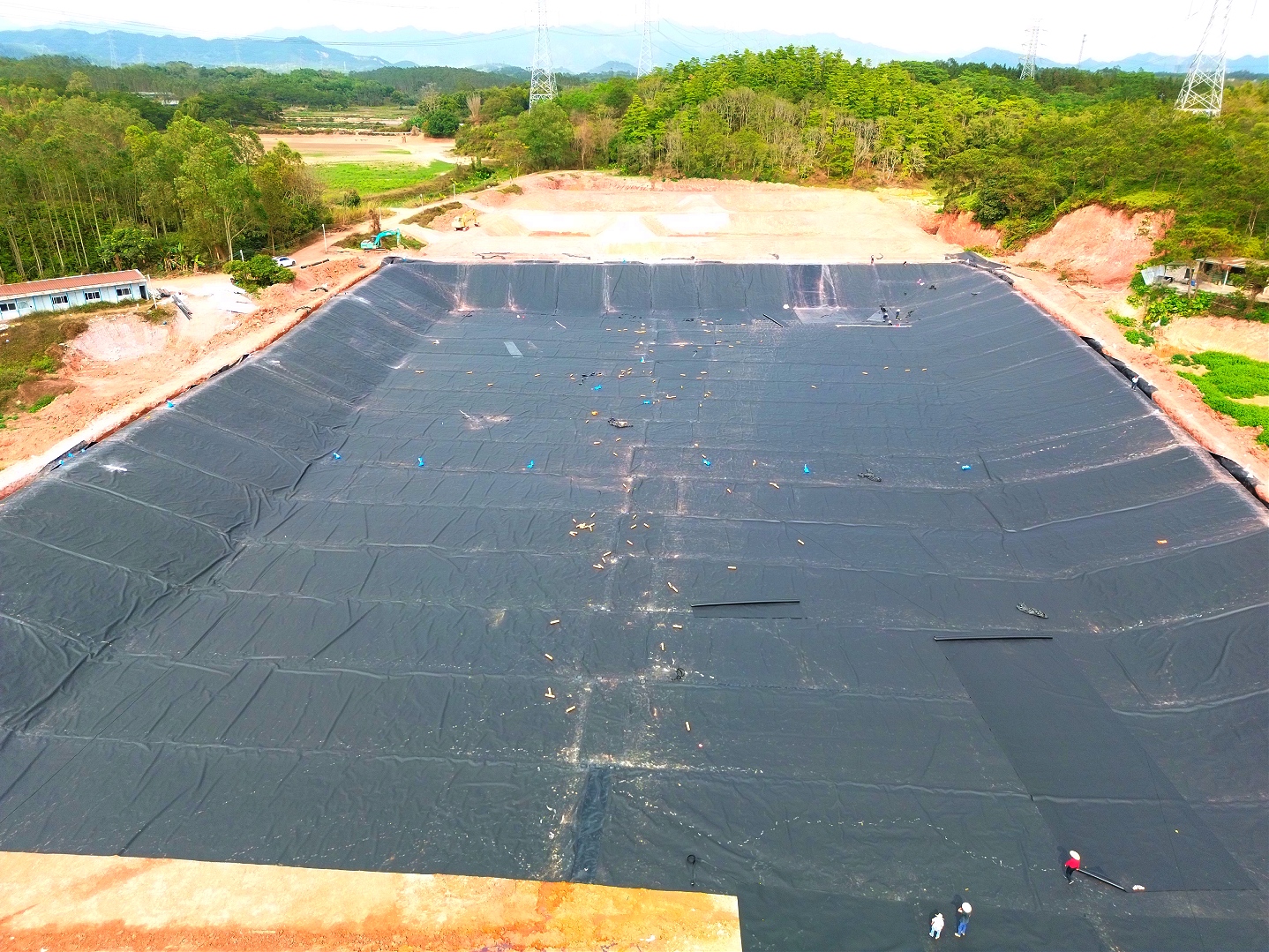
When you peel back the shiny exterior, what really counts are the technical details that decide how well a product holds up over time. Material grades, tolerance levels, and compliance certifications aren't just jargon—they directly shape durability and safety. For instance, a stainless steel variant marked as 316 rather than 304 will resist corrosion far better in humid or coastal environments, which can mean the difference between a five-year lifespan and one that stretches past twenty.
Beyond raw materials, look for adherence to internationally recognized benchmarks. Whether it's an IP rating for dust and water resistance, a UL certification for electrical components, or ISO standards for manufacturing consistency, these stamps signal that the item has been tested under strict conditions. Ignore vague marketing phrases like "heavy-duty" or "professional-grade"—they carry no measurable weight. Instead, demand concrete spec sheets that list load capacities, operating temperatures, and cycle counts.
Another often overlooked aspect is interoperability. Standards such as ANSI, DIN, or JIS determine whether parts fit seamlessly with existing systems or require expensive adapters. A slight difference in thread pitch or flange diameter can turn a straightforward replacement into a frustrating custom job. Savvy buyers check these dimensional standards before purchase, saving themselves from hidden costs and downtime down the road.
Capacity Promises Are Cheap—Here's How to Test Them
The real problem with capacity promises isn't the intention behind them—it's that they rarely get pressure-tested until a crisis hits. A vendor might tell you their system handles 10,000 requests per second, but that number means nothing if it collapses at 9,500 under mixed workloads or degrades when a single database connection stalls. To verify what's actually true, you need to design tests that mimic real-world chaos: sudden traffic spikes, slow downstream dependencies, and partial infrastructure failures. Start by asking for the raw data behind their benchmark—not the marketing summary. If they can't show you the exact test harness, the load profile, and the failure injection methods, treat the claim as unproven.
One of the most revealing approaches is to rent a staging environment and run your own load tests with your own scripts. Don't just blast a fixed number of requests; use ramp-up patterns, random payload sizes, and interleaved timeouts. Watch how the system behaves when you kill a worker node or throttle network bandwidth by 20 percent. True capacity isn't about peak throughput—it's about how gracefully the system degrades and recovers. Ask for a live demo where the vendor intentionally breaks something mid-test. If they hesitate, that's your signal to dig deeper.
Finally, test the human side of the promise. Capacity claims often rely on auto-scaling rules, manual runbooks, or third-party service limits that no one has audited. Request the actual configuration files, alarm thresholds, and emergency contact procedures. Then simulate a scenario where on-call engineers are unavailable and the system must self-stabilize. If the only answer is 'contact support' or 'we'll add more servers,' the promise is shallow. Solid capacity engineering shows up in boring details: sane defaults, circuit breakers, backpressure handling, and a track record of surviving unplanned load without hand-holding.
Custom Work, Packaging, and the Details Others Skip
Every order starts with a conversation, not a template. We ask about the space, the intended use, the materials you already live with. Then we adjust dimensions, joinery, finish sheen, and even the weight of the drawer slides to match how you actually open and close things day to day.
Packaging gets the same scrutiny. Corners are padded with molded pulp that holds the piece still without tape residue. Hardware is wrapped separately in cloth, not plastic bags that split. If a panel has a directional grain, it ships oriented so the first thing you see is the side we want you to see.
Small oversights are where most shortcuts hide. We burnish edges after sanding, countersink fasteners so they sit slightly proud for future adjustment, and include a set of matched touch-up wax rather than a generic filler stick. These aren't listed on the invoice. They're just how the piece leaves the shop.
Sustainability Claims You Can Verify from Across the Ocean
A shipment of recycled polyester might come with a clean bill of health, but the real question is whether the factory behind it can prove what happens to its dye bath at 2 a.m. on a Tuesday. Remote verification now leans on live video walkthroughs with unannounced timing, sensor data from effluent pipes, and cross-checking a facility's utility usage against its claimed output. If a Bangladeshi mill says it recycles 90% of process water but its metered intake stays flat while production rises, that gap is visible from thousands of miles away.
The most useful checks are the ones that don't ask permission. Public port records can show whether a supplier is importing virgin plastic while marketing a closed-loop system. Satellite imagery reveals fresh land clearing near a supposedly no-deforestation palm oil concession. And third-party audit platforms let you pull a factory's latest corrective action report without waiting for the sales team to send a curated PDF. These data points are messy, but they're harder to polish than a brochure.
What separates a credible claim from a story is redundancy. One certificate can be faked; three independent signals rarely align by accident. Pair a sustainability report with real-time monitoring from a provider that has no financial stake in the outcome, then compare that against local waste manifest records. The ocean doesn't hide much when you know which datasets to line up side by side.
The Follow-Up Factor: Why Post-Order Support Changes Everything
Most businesses treat the checkout as the finish line, but customers remember what happens after the payment clears. A single order confirmation rarely builds loyalty; it simply confirms a transaction. Real trust forms when a brand reaches out days later to ask if the product arrived intact, offer setup guidance, or share a tip that makes the purchase more useful. This kind of proactive follow-up turns a one-time buyer into someone who feels seen—and that feeling is harder to replicate than any discount code.
Post-order support also shifts the conversation from "what did I buy?" to "what can I do now?" A short personalized message referencing the actual item—not a generic blast—can prevent returns, reduce buyer's remorse, and surface small issues before they become public complaints. Customers who receive timely, relevant follow-ups are far more likely to leave positive reviews, mention the brand to friends, and return for a second purchase. The follow-up isn't an afterthought; it's the moment a transaction becomes a relationship.
Ignoring this phase leaves money on the table and opens the door for competitors who do it better. A well-timed question like "How's the fit?" or "Did the setup go smoothly?" costs almost nothing but signals that the seller cares beyond the invoice. In crowded markets where products look alike, the follow-up factor is often the only differentiator customers actually talk about.
FAQ
Quality consistency usually comes first, but it is not just about the material itself. You want an exporter that can match your technical specs exactly—pore size, grab tensile strength, UV resistance—and back that up with third-party test reports from labs you recognize. A supplier that hesitates to share recent test data is a red flag.
Standards like ISO 9001 for quality management or ASTM D4595 for tensile testing are not just paperwork. They give you a common language when comparing offers from different countries. If you are buying for a project in Europe, you may need CE marking; in other regions, local equivalents apply. Always ask which standards the fabric is tested against before you commit.
A woven geotextile fabric roll is often just one part of a much larger civil engineering timeline. If the factory can only produce a few thousand square meters a day, they may struggle to meet a sudden order increase or a tight delivery window. Check how many production lines they run, typical monthly output, and whether they have handled orders of your size before.
Documentation directly affects how fast your shipment clears and whether you pay unexpected duties. Correct HS codes, certificates of origin, packing lists, and commercial invoices need to match exactly. Even small discrepancies can hold a container at port for weeks. A good exporter will prepare these without being reminded.
Request physical samples and test them under conditions similar to your project—especially for tensile strength, puncture resistance, and long-term UV exposure. Some buyers also ask for references from past projects where the fabric was installed five or more years ago. If the supplier cannot provide any performance history, treat that as a caution sign.
Most buyers focus on price per square meter, but that only tells part of the story. Payment terms, Incoterms, minimum order quantity, roll length and width tolerances, packaging for sea freight, and the process for resolving quality disputes can have a bigger financial impact than a few cents of unit price difference.
A factory located near a major container port can cut inland trucking costs significantly and reduce lead time by a week or more. On the other hand, a remote factory might offer lower labor costs but then require longer transit to port. Always compare the total landed cost rather than just the ex-works price.
Beyond price, the strongest exporters act like technical partners. They help you select the right fabric weight for your soil type, suggest cost-effective alternatives, respond quickly when problems arise, and keep traceable quality records for every batch. That level of support reduces project risk far more than a low quote.
Conclusion
Finding a woven geotextile fabric exporter who won't waste your time comes down to looking past glossy brochures and ISO badges. The real test is whether they can walk you through the exact weave type, tensile strength, grab elongation, and permeability numbers your project demands—and back those numbers with batch-level test reports from independent labs, not just their own in-house printouts. You also need to poke at capacity claims. Ask for recent shipping records or production logs during their busiest quarter; if they hedge, move on. The exporters that stand out are the ones who treat custom work seriously: they ask about your subgrade conditions, suggest edge reinforcement options, and confirm roll lengths, core sizes, and labeling before you ever sign a purchase order.
Sustainability is easy to claim and hard to verify, so push for traceable recycled content percentages, water and energy data per ton, and any third-party certifications with audit numbers you can actually check online. But the factor most buyers overlook is what happens after the containers arrive. A dependable exporter assigns a real technical contact—not a rotating sales rep—to handle installation questions, shortage claims, or a batch that fails on-site testing. They respond within days, not weeks, and they own mistakes instead of hiding behind fine print. That follow-up culture is often the difference between a supplier and a long-term partner.
Contact Us
Contact Person: Jerry Qiu
Email: [email protected]
Tel/WhatsApp: +65 84265294
Website: https://www.jinseed-geo.com