

Vacuum Circuit Breaker OEM: Ensuring Unmatched Reliability in Modern Electrical Systems
2026-01-02
In the dynamic landscape of electrical engineering, where precision and reliability are paramount, vacuum circuit breakers stand as critical components in safeguarding modern systems from faults and disruptions. Yet, not all OEM solutions are created equal. At Lugao, we specialize in delivering vacuum circuit breakers that elevate reliability to unmatched heights, ensuring seamless operation in even the most demanding environments. This blog explores how innovative design and rigorous testing at Lugao set new standards, offering insights into the technologies that keep your electrical infrastructure resilient and efficient. Dive in to discover why choosing the right OEM partner is essential for future-proofing your systems.
Innovative Manufacturing Techniques in Vacuum Circuit Breaker Production
In the realm of vacuum circuit breaker production, manufacturers are increasingly turning to cutting-edge techniques like additive manufacturing, which allows for precise customization of components such as arc chambers. This not only reduces material waste but also accelerates prototyping, enabling faster iteration and testing of designs for improved electrical insulation and durability.
Another key innovation involves advanced automation and robotics, which streamline assembly lines to handle delicate parts with high accuracy. By integrating smart sensors and real-time monitoring, factories can maintain consistent quality control, minimizing human error and ensuring each breaker meets stringent safety standards for high-voltage applications.
Furthermore, the adoption of digital twin technology has revolutionized how engineers simulate performance under various conditions before physical production. This approach optimizes design efficiency and reduces costly rework, making vacuum circuit breakers more reliable and cost-effective in modern power distribution systems.
Key Components Driving Reliability in High-Voltage Applications
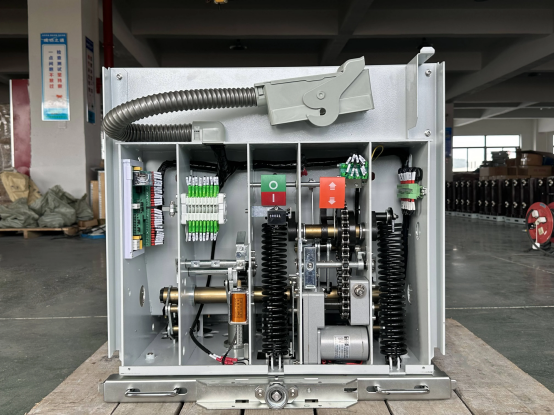
Reliability is paramount in high-voltage applications, where even minor failures can lead to catastrophic consequences. Key components such as insulation systems and circuit breakers ensure safe operation by preventing electrical arcing and managing fault currents. Advanced materials like cross-linked polyethylene (XLPE) and silicone rubber enhance durability under extreme stress, while robust designs mitigate thermal and mechanical degradation over time.
Beyond basic protection, precision components like voltage regulators and surge protectors play a critical role in maintaining stability. These elements actively monitor fluctuations and respond swiftly to anomalies, minimizing downtime and extending equipment lifespan. In industries such as power transmission and medical imaging, this proactive approach translates to fewer disruptions and lower maintenance costs, making investments in quality components highly worthwhile.
Innovation continues to drive improvements, with smart sensors and predictive analytics emerging as game-changers. By integrating real-time monitoring into components like transformers and switchgear, systems can anticipate issues before they escalate, shifting from reactive to preventive maintenance. This trend not only boosts reliability but also supports sustainable practices by optimizing energy use and reducing waste in high-voltage environments.
Customized Solutions for Diverse Industrial and Commercial Settings
Tailoring solutions to fit the unique demands of various industrial and commercial environments isn't just about ticking boxes—it's about diving deep into the specifics. Every sector, from manufacturing plants to retail spaces, carries its own set of challenges. For instance, a logistics warehouse battling space constraints needs a different approach than a bustling corporate office optimizing energy use. By focusing on bespoke strategies, businesses can unlock efficiencies that off-the-shelf options often miss, driving both productivity and cost savings.
Navigating the complexities of these settings requires more than a one-size-fits-all mindset. Imagine integrating smart technologies into an old factory floor or designing eco-friendly solutions for a high-traffic shopping center. It's not merely about deploying tools; it's about crafting systems that adapt to real-world workflows. These tailored interventions can lead to smoother operations, reduced downtime, and a stronger competitive edge, making them indispensable in today's fast-paced market.
What truly sets customized approaches apart is their ability to evolve with a business. Whether it's scaling up production lines or enhancing customer experiences in commercial hubs, adaptable solutions ensure long-term viability. By prioritizing specific industrial and commercial needs, companies foster innovation that resonates with their unique goals, transforming challenges into opportunities for growth.
Rigorous Testing Protocols to Ensure Long-Term Operational Stability
To guarantee that our systems operate seamlessly over extended periods, we've implemented a multi-layered testing approach that goes far beyond standard checks. This isn't just about ticking boxes during initial development; it's about simulating real-world stresses and edge cases that might only emerge after months or years of continuous use. For instance, our stress tests intentionally push hardware to its limits under fluctuating environmental conditions, while our automated regression suites run daily to catch any subtle performance drifts before they impact users. This proactive stance means we're not just reacting to failures—we're anticipating them and building in resilience from the ground up.
Another key aspect of our protocol involves what we call 'aging simulations,' where systems undergo accelerated lifecycle testing to mimic years of wear in a condensed timeframe. This process helps identify potential points of degradation, such as memory leaks or component fatigue, that traditional short-term testing might overlook. By integrating feedback from these simulations directly into our design iterations, we ensure that each new version inherits proven stability traits, effectively future-proofing our solutions against obsolescence or unexpected breakdowns.
Beyond the technical rigor, we prioritize human-centric validation through extensive user acceptance testing with diverse, real-world scenarios. This phase gathers insights from actual operators across different environments, fine-tuning interfaces and workflows to reduce cognitive load and prevent operational errors over time. The result is a holistic framework where every element—from code and hardware to human interaction—is continuously vetted, creating a robust foundation that supports reliable, long-term performance without constant oversight.
Sustainability and Efficiency Gains in Modern Electrical Grids
Modern electrical grids are increasingly being reimagined to address both environmental concerns and operational effectiveness. Instead of just delivering power from centralized plants, many grids now incorporate renewable sources like wind and solar, which reduce carbon footprints. Smart meters and sensors allow for real-time monitoring, helping utilities balance supply and demand more precisely. This shift not only cuts down on waste but also makes the system more resilient to disruptions, fostering a greener energy landscape.
Advancements in technology, such as artificial intelligence and machine learning, are driving significant efficiency improvements. These tools analyze vast amounts of data to predict energy usage patterns and optimize grid performance, minimizing losses during transmission. By integrating distributed energy resources and promoting demand response programs, modern grids can adapt dynamically to changing conditions, enhancing overall reliability while lowering costs for consumers.
Beyond technical upgrades, policy frameworks and regulatory incentives play a crucial role in accelerating sustainability efforts. Initiatives like grid modernization funding and carbon reduction targets encourage innovation in energy storage and electric vehicle integration. This holistic approach ensures that efficiency gains go hand-in-hand with long-term environmental goals, creating a more sustainable and adaptable electrical infrastructure for future generations.
Future Trends and Emerging Technologies in Circuit Breaker Design
Circuit breaker design is rapidly evolving to meet the demands of modern power systems, with a strong emphasis on enhancing reliability, efficiency, and adaptability. One notable trend is the integration of advanced materials, such as solid-state semiconductors and nanomaterials, which allow for faster switching speeds and reduced energy losses compared to traditional mechanical components. This shift is particularly crucial in renewable energy applications, where grid stability requires precise control over fluctuating power flows. Additionally, digitalization is playing a key role, with smart circuit breakers incorporating sensors and communication modules to provide real-time monitoring of electrical parameters like current, voltage, and temperature. These innovations enable proactive maintenance, reducing downtime and preventing catastrophic failures in industrial and residential settings alike.
Another emerging technology gaining traction is the use of artificial intelligence and machine learning algorithms to optimize circuit breaker performance. By analyzing historical data and predictive models, AI-driven systems can anticipate fault conditions and adjust settings dynamically to minimize damage. For instance, in microgrids or electric vehicle charging stations, these intelligent breakers can balance loads more effectively, ensuring safer and more efficient operations. Furthermore, compact and modular designs are becoming more prevalent, allowing for easier installation in space-constrained environments like data centers or urban infrastructures. This approach not only cuts costs but also supports scalability as power needs evolve.
Looking ahead, sustainability is a major driver in circuit breaker innovation, with efforts focused on reducing environmental impact through eco-friendly materials and energy-efficient designs. Research into contactless technologies, such as vacuum interrupters and gas-insulated solutions, promises to eliminate arcing and wear, extending equipment lifespan and lowering maintenance requirements. In parallel, cybersecurity features are being embedded to protect against cyber threats in increasingly connected grids, highlighting how these devices are evolving from mere safety components to integral parts of a resilient, intelligent infrastructure.
FAQ
VCBs use a vacuum to extinguish electrical arcs, offering faster interruption, higher reliability, and lower maintenance compared to oil-based or air-based breakers, which helps prevent power failures in modern grids.
Reliability ensures safe operation under high voltages and frequent switching, reducing downtime and costs for industries and data centers; OEMs must adhere to strict standards like IEC and IEEE to meet these demands.
By minimizing energy loss during arc quenching and providing quick response to faults, VCBs improve system stability and enable integration with renewable sources and smart grid technologies.
Some believe VCBs require frequent upkeep, but their sealed vacuum chambers actually lead to low maintenance needs and long service lives, though periodic inspections for wear are still essential.
Advancements include materials for better dielectric strength, digital monitoring for predictive maintenance, and compact designs that support urbanization and energy-efficient buildings.
They are crucial in sectors like power generation, manufacturing, transportation, and IT infrastructure, where uninterrupted power and safety are paramount for operations.
Conclusion
The vacuum circuit breaker OEM sector has revolutionized electrical system reliability through sophisticated manufacturing innovations. By integrating advanced production techniques and meticulously engineering key components for high-voltage applications, manufacturers ensure robust performance across demanding scenarios. This focus extends to providing customized solutions tailored for diverse industrial and commercial environments, enhancing adaptability without compromising safety. Together, these approaches establish a foundation of durability that meets contemporary energy demands.
Reliability is further fortified through rigorous testing protocols, guaranteeing long-term operational stability under extreme conditions. Moreover, the emphasis on sustainability and efficiency gains aligns vacuum circuit breakers with modern electrical grid enhancements, promoting eco-friendly operations. Looking ahead, emerging trends and technologies in circuit breaker design promise continued evolution, driving innovations that will shape more resilient and intelligent electrical infrastructures, solidifying the role of OEMs in delivering unmatched reliability.
Contact Us
Contact Person: Doreen
Email: [email protected]
Tel/WhatsApp: 8618057712366
Website: https://www.liugaopower.com/