

Used Crawler Cranes Export: A Practical Guide to Navigating Global Markets
2026-05-24
Breaking into the global market for used crawler cranes can feel like a high-stakes puzzle—demand is strong, but navigating regional regulations, logistical hurdles, and quality assurance isn't for the faint-hearted. Whether you're eyeing emerging economies or established construction hubs, understanding the nuances of cross-border trade gives you a decisive edge. At JILIANG CHI, we've seen how strategic sourcing transforms complex export challenges into profitable opportunities. This guide unpacks the essentials to help you move confidently, from vetting machinery to mastering international logistics.
Deciphering Market Demand for Pre-Owned Crawler Cranes
Figuring out what drives demand in the used crawler crane market takes more than just scanning auction listings and sales reports. It’s a puzzle where job site requirements, regional infrastructure trends, and equipment life cycles all intersect. A contractor in the Southeast focused on wind energy projects will have very different needs from one in the Midwest dealing with bridge replacements, and their buying patterns reflect that. The real insight comes from tracking not just who is buying, but what configurations they snap up fastest, how long specific models sit on lots, and which attachments or upgrades make a crane move within days.
Dealers and fleet managers who stay ahead don’t rely on gut instinct—they dig into rental utilization data, upcoming project timelines, and even shifting emissions regulations that can suddenly make older iron more or less attractive. A change in a state’s commercial construction pipeline can ripple through the market in unexpected ways, making certain tonnage classes or reach specs suddenly scarce. It’s not static; what’s hot one quarter can plateau the next when a few large projects wrap up.
Smart players also watch the global flow of used machines. Sometimes demand spikes because an exporter is quietly vacuuming up a particular brand and model for overseas infrastructure booms, leaving local buyers scrambling. Supply chain hiccups for new cranes push more buyers into the pre-owned pool, altering the typical depreciation curve. Piecing all this together turns market demand from a vague concept into something you can actually act on.
Insider Tips for Evaluating a Crawler Crane’s Condition
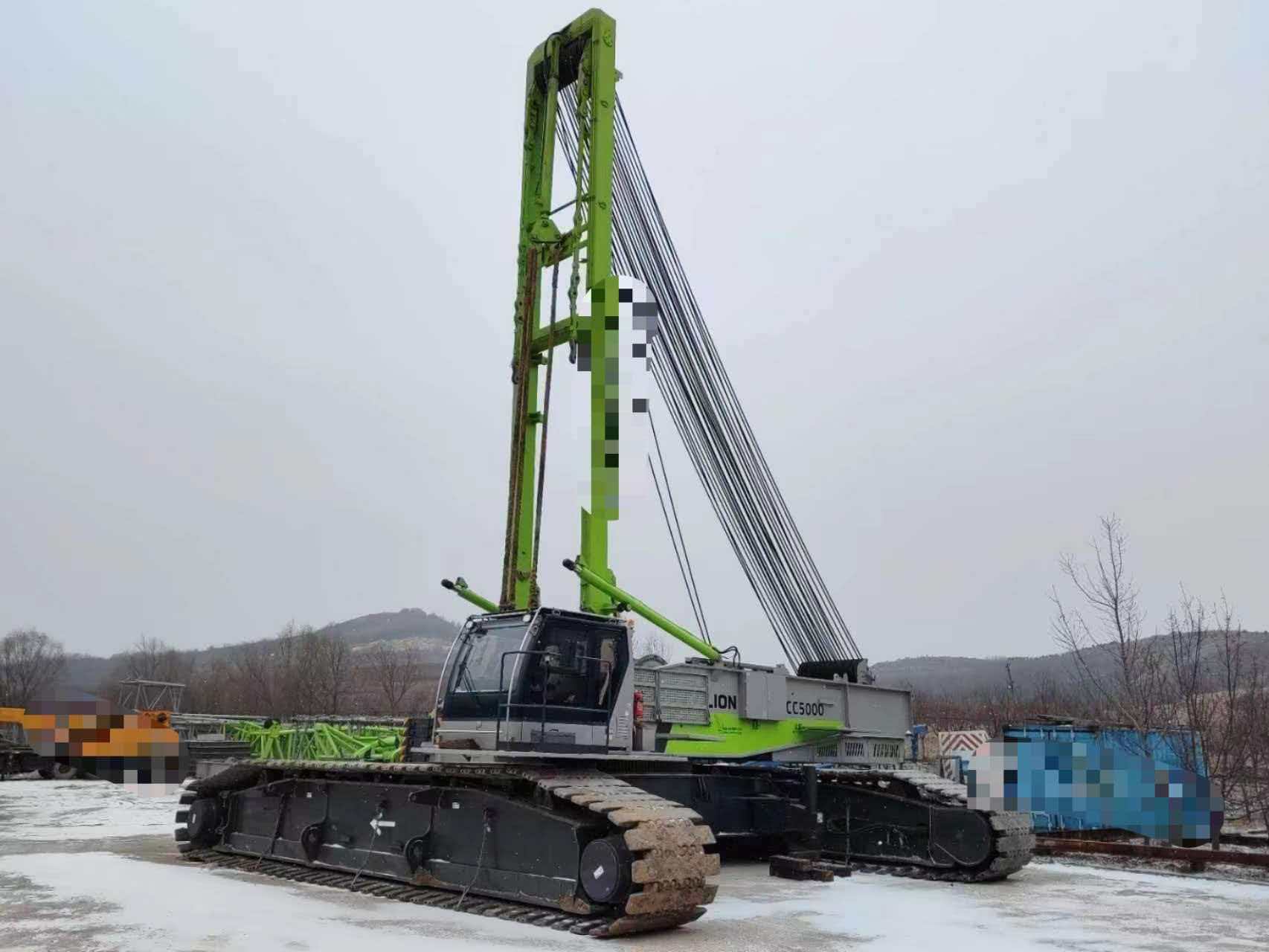
Beyond a quick walk-around, seasoned buyers focus on the crane’s undercarriage—the true backbone of any crawler. Check for uneven wear on track pads and sprockets, as misalignment often points to neglected tensioning or structural stress. Operate the travel function slowly in both directions; any hesitation, grinding, or excessive vibration could reveal hydraulic motor issues or final drive damage that won’t show up in a static inspection.
Don’t overlook the boom’s hidden history. While surface rust is easy to spot, subtle dents, waviness, or repair welds near pin connections often indicate past overloading or side-loading incidents. Ask for maintenance logs and cross-reference boom inspection reports—paying special attention to any recurring crack repairs on the lattice members or chord angles. A borescope check inside the tubular sections can uncover internal corrosion that compromises structural integrity long before it’s visible externally.
Navigating Export Regulations Without the Headaches
When diving into global markets, export rules can feel like a maze of paperwork and legal jargon. But it doesn’t have to be a headache. Start by breaking down regulations into clear, manageable steps—know your product’s classification, check destination-country requirements, and keep an eye on restricted-party lists. With a reliable routine, what once felt overwhelming becomes second nature.
Many seasoned exporters swear by building a small network of experts—customs brokers, trade lawyers, or even fellow business owners—who can translate the fine print into plain English. Instead of guessing, lean on their experience to spot potential red flags early. It’s not about becoming a legal expert overnight, but about knowing who to call before a small oversight turns into a costly delay.
Technology can be your low-effort ally. Simple compliance tools sync with shipment databases to automate screenings and flag regulatory changes, so you stay ahead without constant manual checks. Pair that with a concise internal checklist tailored to your main markets, and you’ll dodge most common pitfalls. Over time, you’ll craft a process that runs so smoothly, export compliance feels less like a chore and more like a quiet superpower.
Smart Logistics: Moving Heavy Machinery Across Borders
Hauling massive industrial equipment across international lines defies conventional shipping logic. Oversized loads demand meticulous route planning—bridge heights, road weight limits, and port cranage capacities all factor into the blueprint long before engines turn. A single misstep can cascade into weeks of customs entanglements or multimillion-dollar damage, so carriers specializing in heavy haulage rely on hydraulic suspension trailers and multi-axle configurations to distribute tonnage evenly while navigating tight turns.
Beyond the hardware, cross-border moves hinge on a web of permits, escorts, and local regulations that change from one jurisdiction to the next. A shipment bound for a mine in South America might transit through three countries, each with its own axle-load limits and daylight movement restrictions. Veteran logistics teams embed these variables into dynamic schedules, often pre-staging cranes and crew at border crossings to avoid bottlenecks. Satellite tracking and real-time weather feeds are woven into the command chain, allowing dispatchers to reroute around protests or flash floods instantly.
The final stretch usually presents the greatest paradox: delivering a 200-ton transformer to a remote substation accessed by a gravel track barely wider than the convoy. Here, modular transport concepts shine—machinery is broken into shippable modules that are reassembled on-site using engineered lifting systems. This approach cuts reliance on sparse infrastructure and turns potential deal-breakers into minor logistical footnotes, proving that moving mountains of steel across borders is less about brute force and more about adaptive engineering and local know-how.
Pricing Strategies That Close Deals Worldwide
Landing a deal across borders often means navigating wildly different customer expectations. In some markets, buyers expect to haggle and won't respect a price that leaves no room for negotiation. In others, a fixed, transparent number signals trust. Smart teams tailor their approach by studying local norms—sometimes embedding flexibility into the initial quote, other times holding firm but sweetening the offer with extended support or bundled services. The trick is making the price feel native to the buyer's world, not like a foreign imposition.
Psychological pricing goes beyond currency conversion. The way a number lands—rounded versus precise, inclusive versus itemized—can shift perceptions before the conversation even begins. Global closers also pay attention to payment rhythm. A one-time sum might suit one culture, while a milestone-based plan builds confidence in another. The art lies in tying the structure to how the client defines value: some want the lowest possible entry cost, while others fixate on total cost of ownership, even if it means paying more upfront to avoid hidden fees.
Currency and economic reality can make or break a signature. Quoting solely in a strong foreign currency can alienate buyers facing exchange rate pain, yet staying local may squeeze margins. High-inflation settings demand clauses that protect real value without spooking the client. The most effective deals acknowledge local pressures head-on—perhaps offering a split-currency option or a short-term price lock paired with a candid explanation. When the pricing feels fair and crafted for their situation, objections melt, and cross-border trust takes root.
Building Trust with International Buyers and Partners
Trust between international partners is rarely built overnight. It unfolds through small, consistent actions that show respect for cultural differences and an openness to understanding each other's business environment. Simple gestures like acknowledging local holidays, being patient with time zones during correspondence, and showing genuine curiosity about a partner's market challenges can set a foundation far stronger than any formal agreement.
Clear communication is the backbone of cross-border reliability. Promises mean nothing if they get lost in translation or buried under vague timelines. Be upfront about what you can and cannot deliver, and if something changes, explain why before the other side has to ask. This candor turns potential disappointments into demonstrations of integrity, proving that your word holds weight even when things don't go as planned.
Consistency weaves it all together. When every shipment arrives as specified, every invoice matches the agreed terms, and every call ends with actionable next steps, partners stop second-guessing. They begin to see your business not as a foreign entity to be cautious of, but as a reliable extension of their own operations—and that mindset shift is where lasting partnerships truly begin.
FAQ
Start by confirming the crane's ownership status and ensuring there are no outstanding liens. Next, gather full service records and recent inspection reports. These documents are often what a foreign buyer will ask for first. Then research the import restrictions of target countries—some ban certain engine tiers, for example. Finally, consider having the crane inspected by a third-party agency to pre-empt disputes over condition.
Look beyond domestic auction results. Track recent international transactions through trade journals or networks that share confirmed export pricing. Account for additional costs the buyer would otherwise face—tariffs, shipping, and local compliance upgrades—and see if your price still leaves them a viable margin. This approach helps you set a price that moves the machine instead of sitting idle waiting for an unrealistic number.
A commercial invoice and packing list are the bare minimum, but the real gatekeepers are the certificate of origin and a clean title or bill of sale proving you have the right to export. Many destinations also demand a pre-shipment inspection certificate for used equipment. Don't forget the manufacturer's data plate must match the paperwork exactly; mismatches are a top reason for customs holds.
Infrastructure-heavy markets in Southeast Asia and parts of Africa are consistently active, especially for cranes under 80 tons that can be mobilized quickly. The Middle East sees spikes tied to oil and gas projects, but competition there is fierce. Watch for emerging demand in Eastern Europe as EU-funded projects convert from planning to construction phases—buyers there often prefer a known used machine over a more expensive new unit.
Weight and dimensional limits on roads to the port can derail a sale if not checked early. Disassembly and weatherproofing for ocean freight require a crew that knows which components to protect and which to leave for re-assembly at the destination. Also, confirm whether the shipping line will accept a used track-type machine without a dedicated cradle; some won't. Delays at destination ports due to improper fumigation certificates are a recurring nightmare.
Don't assume CE or ANSI compliance alone will satisfy regulators. Work with a local engineer or the buyer to identify exact variations: sometimes it's just a different safety latch on the hook, other times the entire control system logic must be documented in the local language. Factor these modifications into the deal before negotiating final price to avoid a post-arrival standoff.
A letter of credit from a confirmed bank still dominates, giving both sides some protection if paperwork is in order. For repeat buyers, some exporters offer 30% upfront with the balance against copy documents, but that carries risk. Escrow services are growing in popularity for transactions under $200,000 because they are faster and cheaper than L/Cs. Avoid open account terms unless you have a long track record with the buyer and political risk insurance.
Conclusion
Exporting used crawler cranes demands more than a logistical checklist; it’s about reading the pulse of shifting global demand. Projects in Southeast Asia often thirst for mid-sized units to feed infrastructure booms, while Middle Eastern buyers may prize heavy-lift capacity for energy ventures. The savvy exporter doesn’t just track auction prices—they monitor regional construction cycles, currency fluctuations, and even local election calendars that might release frozen capital. A crane that’s a bargain in Texas could be a windfall in Lagos, but only if you’ve done the groundwork to understand why and when that demand spikes.
The real art lies in blending sharp condition assessments with regulatory finesse. A thorough inspection goes beyond engine hours and weld integrity; it means deciphering a machine’s maintenance history like a detective, spotting subtle signs of overload stress that untrained eyes miss. Pair that with a paperwork strategy that turns export red tape into a smooth runway—pre-clearing customs documentation, mastering the nuances of CE or EPA certifications, and preempting port delays—and you’re already ahead of competitors who treat compliance as an afterthought. Meanwhile, shipping a 100-ton beast across oceans is a puzzle where route planning, dismantling logistics, and local inland transport partnerships determine whether you sink or profit. Pricing becomes a narrative: not a race to the bottom, but a story of reliability, refurbishment quality, and after-sale support that justifies a premium. Ultimately, closed deals hinge on trust. Whether through transparent video walkthroughs that leave no room for surprises, or flexible payment terms that shield buyers from risk, building a reputation for integrity turns one-off transactions into durable partnerships that span continents.
Contact Us
Contact Person: Sally Xiao
Email: [email protected]
Tel/WhatsApp: 086-18221477398
Website: http://www.shjiliangchi.com/