

Trusted Calcium Chloride 77% Powder Manufacturer for Bulk Industrial Supply
2026-11-16
Sourcing calcium chloride 77% powder in bulk shouldn't feel like a gamble. Yet too many industrial buyers still deal with inconsistent purity, unpredictable moisture levels, and suppliers who disappear after the first shipment. Shouguang Golden Chemical takes a different approach—building long-term supply partnerships based on verified quality and on-time delivery. In this post, we'll break down what makes a manufacturer truly trustworthy for high-volume industrial needs.
Why 77% calcium chloride powder works in demanding industrial settings
In heavy-duty de-icing and dust suppression, the 77% concentration hits a practical sweet spot. It's high enough to trigger rapid exothermic reactions when moisture is present, melting ice at lower temperatures than weaker blends, yet stable enough to handle without excessive caking during storage or metering. That balance matters when crews are working against a storm clock or trying to keep haul roads passable through a shift.
The powder's fine particle size also gives it a broader contact surface than flakes or pellets. In concrete acceleration or oilfield brine mixing, this means faster dissolution and a more uniform distribution in the mix. You don't have to wait for lumps to break down, which cuts mixing time and reduces the chance of localized concentration spikes that can throw off a batch.
There's also a less obvious advantage: predictable performance under variable humidity. A 77% powder tends to pull moisture aggressively enough to control dust on unpaved surfaces, but not so aggressively that it turns into a slurry too quickly in humid conditions. That lets site managers apply it with standard spreaders and still get reliable results, whether the air is dry or heavy with moisture.
What changes when you buy directly from the manufacturer
Buying directly from the manufacturer strips away the layers of middlemen that typically inflate costs. Without distributors, wholesalers, and retailers each taking their cut, the price you pay reflects more of the actual product value. This often means you can get a higher-quality item for the same budget or simply save money on the exact same model you'd find elsewhere.
The direct relationship also changes the kind of support you receive. Instead of being handed off to a generic call center, you're talking to the people who actually designed and built the product. That can translate into faster troubleshooting, more honest answers about limitations, and the ability to request custom tweaks or configurations that a third-party seller would never offer.
Finally, purchasing straight from the source gives you earlier access to new releases and limited runs. Manufacturers often test the waters with their own storefront before distributing broadly, so direct buyers get first pick. You may also encounter exclusive bundles, extended warranties, or loyalty pricing that never makes it to retail shelves.
Quality checks that catch moisture and purity drift early
Inline moisture sensors don’t just log numbers—they track the slope. A slow upward drift across three consecutive shifts is flagged before it ever hits the lot release limit, letting operators swap dryer desiccant or adjust nitrogen purge rates while the batch is still recoverable.
For purity, automated gas chromatography samples taken at the reactor outlet are compared against a rolling baseline. If the impurity profile deviates by more than two standard deviations, the control system holds the downstream transfer and routes a grab sample to the lab for Karl Fischer titration. That way, off-spec material never reaches the storage tank.
Daily calibration checks on all moisture probes and quarterly cross-checks against reference methods keep the early-warning thresholds honest. Operators review the trend charts at shift handover, focusing on small drifts rather than waiting for a full alarm.
Bulk packaging options that match how your crew actually works
Most crews don't want to wrestle with a dozen tiny bags when a single 5-gallon pail or a heavy-duty resealable sack gets the job done faster. Bulk options that work with your team's rhythm let one person grab what's needed without stopping to open multiple containers. Whether it's a 25-pound box with a tear-off spout or a bucket with a lid that actually snaps shut, the packaging should feel like it was designed by someone who has spent a day on site.
Look for formats that fit how materials move through your hands. Some teams prefer wide-mouth tubs that make scooping easy, while others need narrow pour spouts for filling hoppers or buckets without spilling. A good bulk package doesn't force your crew to change their routine—it disappears into the background so the work keeps moving. Reusable containers with printed measurement marks can also cut down on guesswork when mixing or portioning.
The right bulk packaging also reduces clutter and waste. Instead of a pile of empty plastic wrappers at the end of the day, you have one sturdy container to return, refill, or recycle. That means fewer trips to the dumpster and less time spent cleaning up. When the packaging matches the crew's workflow, the small savings add up across a long project—less fetching, less counting, and fewer interruptions.
Real-world uses across construction, deicing, and dust control
Calcium chloride earns its keep on construction sites where controlling moisture and speeding up concrete work matters. Crews mix it into concrete to accelerate curing in cold weather, letting pours happen even when temperatures dip toward freezing. The same hygroscopic pull that draws moisture from the air also helps compact gravel roads and lay a stable base, reducing dust clouds that slow down machinery and annoy neighbors.
On icy winter roads and parking lots, it outperforms plain rock salt down to about -25°F, melting ice faster and preventing refreeze longer. Maintenance teams spread it as a liquid brine before a storm or as flakes after snow falls, cutting the total salt needed and keeping pavement from scaling. It's gentler on concrete than sodium chloride, which matters for bridges, ramps, and newly poured slabs.
For dust control on unpaved rural roads, mine haul routes, and construction staging areas, calcium chloride's ability to hold moisture keeps fine particles bound to the surface. A single application can last weeks, reducing watering frequency and improving visibility. It also stabilizes the roadbed by pulling moisture from the air even in dry spells, which means fewer potholes and less grading work over a season.
Questions to ask before committing to a bulk supplier
Before you sign anything, dig into their actual production capacity and lead times. Ask for a recent client list in your industry, then call two or three of those businesses yourself. Find out whether orders arrived complete, on schedule, and without quality surprises. If the supplier hesitates to share references or gives vague answers about how they handle rush periods, that's a red flag you can't afford to ignore.
Next, pin down the details of their quality control process. Who inspects the goods before they ship, and what happens when a batch fails? Request samples from the current production run rather than a polished sales sample from months ago. Also clarify payment terms, minimum order quantities, and what flexibility exists if your demand shifts suddenly. A supplier that can't explain their own defect rate or refund policy in plain language is likely to cause headaches later.
Finally, evaluate how they communicate when things go wrong. Send a test email with a specific technical question and see how long they take to respond, and whether the answer actually solves the problem. Ask who your day-to-day contact will be after the contract is signed. The best bulk suppliers treat your questions as a normal part of doing business, not as an inconvenience.
FAQ
It means you're getting a high-purity calcium chloride powder where 77% is active CaCl2, with the rest mostly water of crystallization. For many industrial applications like dust control, de-icing, or concrete acceleration, this concentration balances performance and handling cost better than lower-grade 70% material.
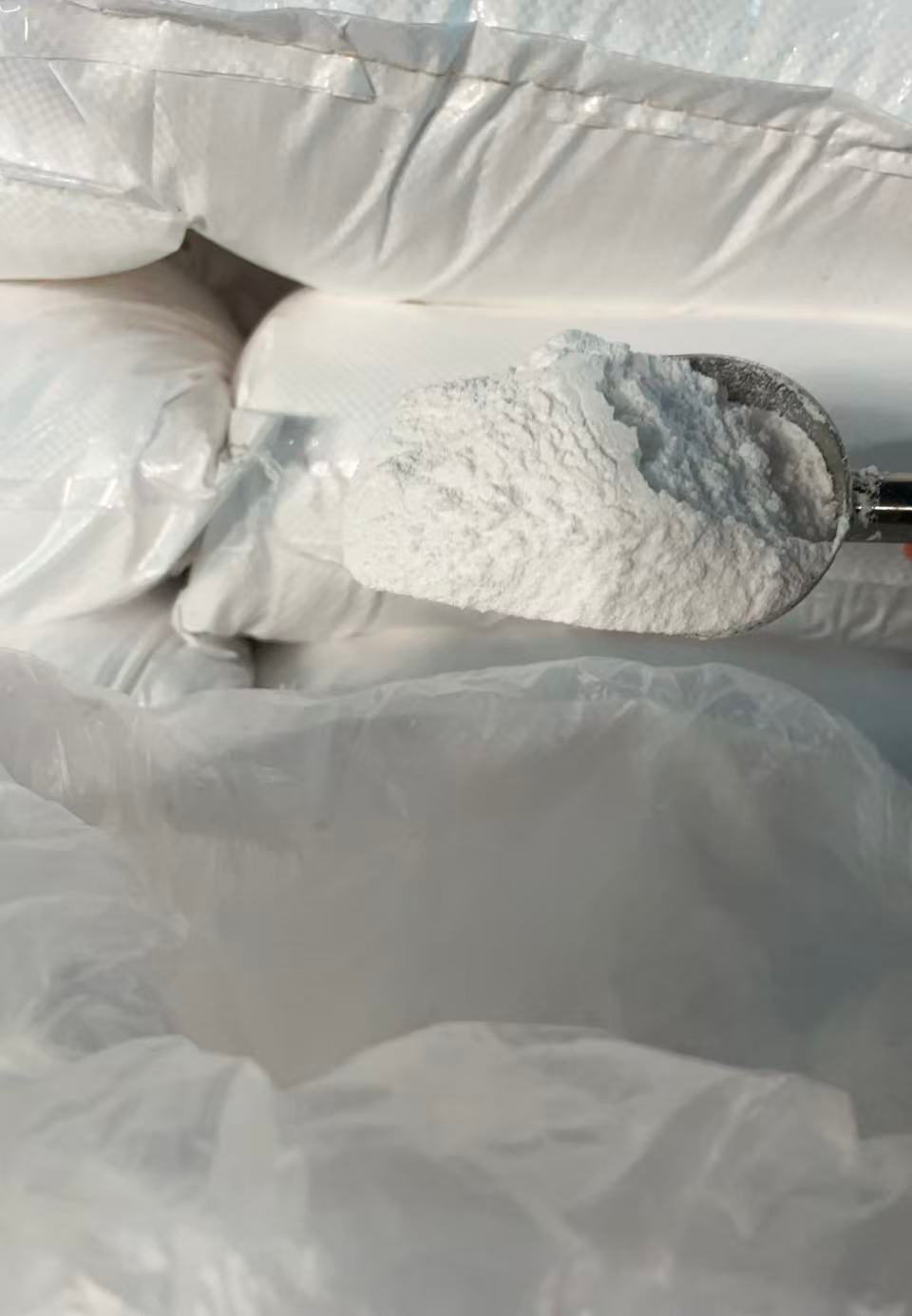
We pack in moisture-resistant woven polypropylene bags with inner liners, typically 25kg or 50kg, and can arrange palletized loads with stretch wrap. For container shipments, desiccant packs are placed inside to absorb any condensation during transit, especially for long sea routes.
Yes. Beyond standard 25kg bags, we offer 500kg and 1000kg supersacks, and can adjust powder fineness within a practical range. If your process feeds through a specific hopper or mixing system, tell us the target mesh size and we'll match it.
Usually 10-15 working days after order confirmation, depending on current production schedule and whether you need custom packaging. If the material is already in stock and no special labeling is required, we can sometimes ship within a week.
No, this is an industrial-grade product. For food or pharma applications you'd need a higher-purity grade with different certifications and handling. We can discuss those requirements separately, but the 77% powder described here is intended for industrial uses like road treatment, drilling fluids, or construction.
Each production lot is tested for CaCl2 content, alkalinity, sulfate, and heavy metals before release. We keep retention samples for at least 12 months, so if any question comes up after delivery, we can trace back to the exact batch and test report.
Keep it in a dry, covered area away from direct rain or standing water. Bags should stay sealed until use because calcium chloride absorbs moisture from the air quickly. If you have a silo, make sure the air vent is filtered and the discharge area is kept clean to avoid bridging.
Yes, we can send a 1kg sample by courier so your lab can check solubility, pH, or performance in your specific formulation. Sample freight is usually on us for qualified buyers, just confirm your delivery address and any import requirements.
Conclusion
The 77% calcium chloride powder stands out in demanding industrial environments because its high concentration delivers fast moisture absorption and reliable de-icing even at low temperatures. Buying straight from the manufacturer removes middlemen, so you get consistent purity, better pricing on bulk orders, and direct technical support when your crew runs into unusual conditions. Tight quality control matters here: regular lab checks on moisture content and purity levels catch drift before a single bag reaches your site, preventing clumping in storage or weak brine mixing. Bulk packaging should follow the way your team actually works—whether that means 25 kg bags, super sacks, or custom pallet configurations that fit existing handling equipment.
On real job sites, this material proves itself across construction, highway deicing, and dust suppression on unpaved roads. It lowers the freezing point of water quickly, helps concrete cure faster in cold weather, and binds fine particles to keep air quality manageable. Before you commit to a supplier, ask about their moisture control limits, batch testing frequency, lead times for full truckloads, and whether they can adjust packaging to your seasonal demand spikes. A trustworthy manufacturer will give you straight answers and documented specs rather than vague promises.
Contact Us
Contact Person: Tom Cui
Email: [email protected]
Tel/WhatsApp: +8618663670626
Website: https://www.jinjigoldenchem.com