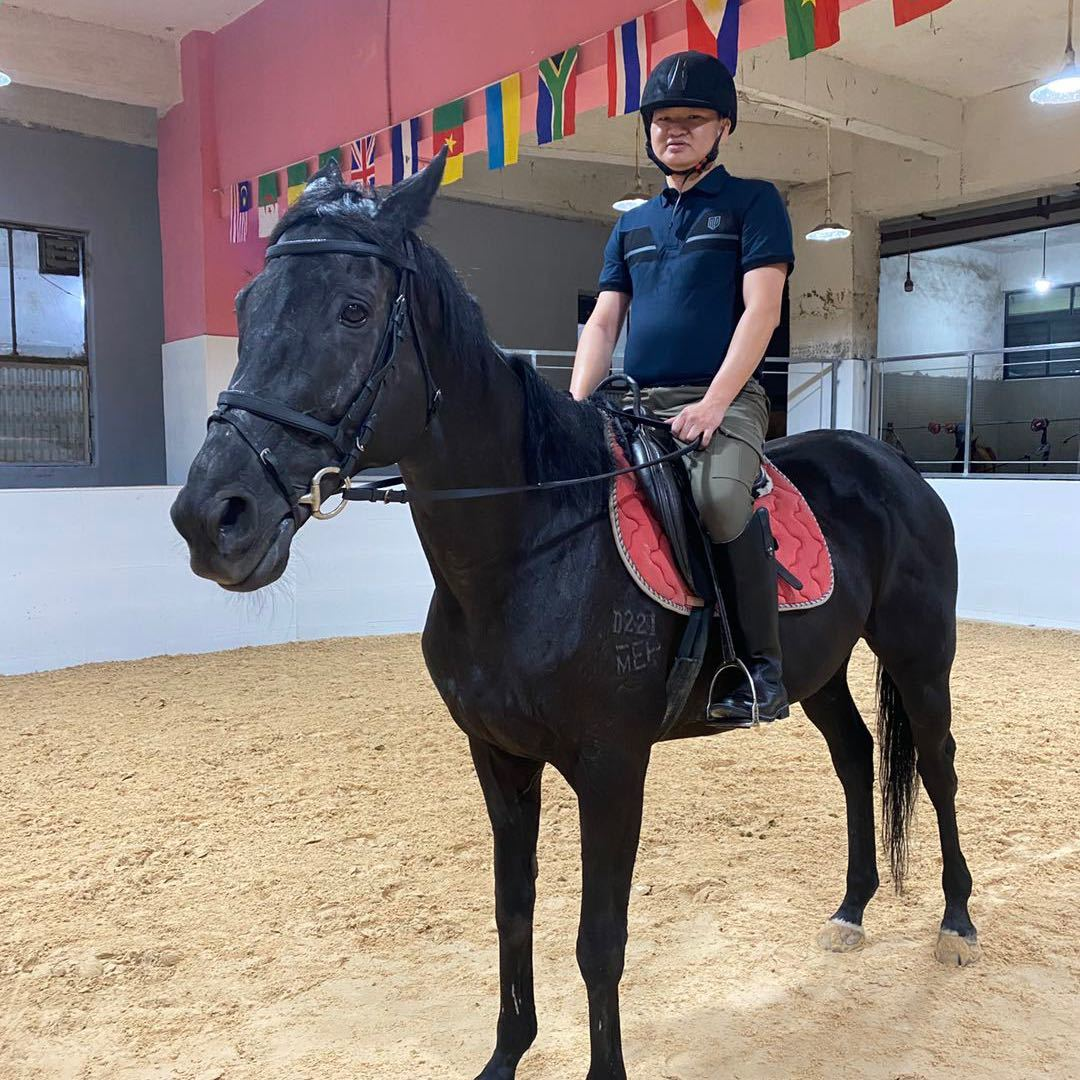

Top Saddle Pads: The Ultimate Guide to Comfort, Fit, and Style
2026-05-21
What if your horse's comfort and your riding style could both be elevated by one simple change? The right saddle pad can do exactly that—but finding it requires more than guesswork. Drawing from real-world testing and OpeEquestrian's deep understanding of equestrian gear, we've assembled the ultimate resource on saddle pad selection, covering everything from fit and materials to the looks that turn heads.
What’s Really Under Your Saddle?
Beneath the polished leather and sleek design, your saddle is a carefully engineered structure that distributes weight, absorbs shock, and protects the horse’s back. At its core lies the tree—often made of wood, fiberglass, or carbon fiber—which determines the fit and stability. A well-designed tree flexes subtly with the horse’s motion, but a poor fit can create pressure points and long-term damage. The materials hidden under the panels are equally critical: dense wool or foam flocking shapes itself around the contours of the horse, yet many riders overlook how quickly this stuffing compresses or shifts, altering the saddle’s balance.
Modern saddles often incorporate synthetic foams and lightweight polymers that promise durability and consistency, but they can retain heat or degrade over time in ways traditional wool does not. The interface between horse and rider is never static—sweat, friction, and daily use reshape the underlayer minute by minute. That’s why a saddle that fits perfectly in the cross-ties may feel entirely different after thirty minutes of work. Checking what’s below the surface means assessing not just the materials, but how they respond to continuous pressure and motion.
Ultimately, the invisible elements—the quality of the tree, the density of the flocking, the condition of the panels—determine whether your saddle supports healthy movement or silently undermines it. Next time you tack up, take a closer look underneath. Run your hand along the panels, feel for lumps or unevenness, and picture how that unseen structure interacts with living tissue. What’s really under your saddle might surprise you, and understanding it is the first step toward better partnership with your horse.
The Conversation Between Your Horse’s Back and the Pad
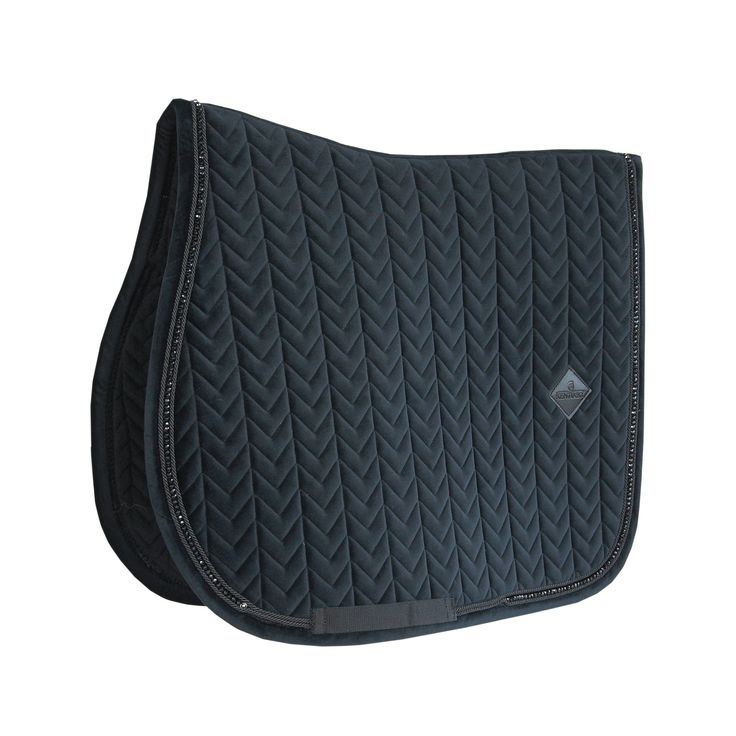
Every time you place a pad on your horse, a silent dialogue begins—one that unfolds through pressure, heat, and motion. The back speaks in subtle shifts of muscle, in the way the spine rises and falls with each stride, and the pad listens, absorbing impact or distributing weight. A quality pad doesn’t just sit there; it translates the horse’s movement into feedback you can feel, hinting at tension points or asymmetry long before they become visible problems.
This back-and-forth isn’t purely physical. The pad becomes a translator between species, softening the rider’s cues while amplifying the horse’s whispers. When you notice dry spots after a ride, it’s not just sweat patterns—it’s the back telling you where the pad made contact unevenly, where the saddle might have pinched. Learn to read those marks, and you’ll start a conversation that leads to better balance, freer movement, and a horse that moves with less resistance.
Too often, we treat the pad as a static layer, but it’s an active participant. The materials matter less than the feel: a pad that cushions too much can dull the conversation, while one that’s too thin may let harsh signals through. The goal is a two-way transmission where the horse’s back can expand and contract without constraint, and the pad responds by staying put, wicking moisture, and never becoming a barrier. When the dialogue is right, you’ll feel it in the rhythm—a quiet, fluid partnership that doesn’t need words.
Why Thickness Isn’t Everything
It’s easy to fall into the trap of assuming that thicker automatically means better. Walk into any store, and you’ll see products boasting about their extra-thick layers as if that alone guarantees superior performance. But in reality, that’s a bit like judging a book by its cover. Whether we’re talking about yoga mats, mattress toppers, or even paper towels, the raw thickness measurement rarely tells the full story. In fact, a lot of poorly made items rely on sheer bulk to distract from the lack of thoughtful engineering.
What really matters is the stuff you can’t see at a glance—the material’s density, how it’s bonded, and how it responds to repeated stress. A denser, well-constructed mat might cushion your joints better than something twice as thick that compresses flat the moment you step on it. Similarly, a tightly woven fabric can outlast a fluffy counterpart that pills and tears after a few washes. So next time you’re comparing options, poke a little deeper. Instead of letting thickness woo you, dig into the specs that count: resilience, tensile strength, and real-world wear. Because once you look past the hype, you’ll find that true quality often comes in deceptively slender packages.
Design Choices That Double as Performance Boosts
Sometimes the simplest design decisions carry the most weight under the hood. Swapping a heavy image carousel for a subtle CSS animation not only cleans up the visual flow but also slashes load times by reducing JavaScript overhead. Pairing a minimalist color palette with system fonts eliminates render-blocking requests, making the interface feel instantaneous while keeping the aesthetic polished. These choices aren't just about looks—they fundamentally reshape how fast a page responds to the user.
Navigation patterns often hide untapped speed potential. A sticky header built with position: sticky and a touch of backdrop-filter avoids the layout thrashing common with JavaScript-based alternatives, while still providing the utility users expect. Offloading non-critical interactions to idle callbacks ensures that scroll and tap responses stay buttery smooth, turning a routine UI element into a silent performance win.
Typography and spacing, when handled with intention, double as efficiency boosters. Setting font-display: swap on a carefully chosen variable font prevents invisible text during load, while maintaining a crafted brand voice. Using CSS Grid for layouts with generous white space reduces repaints and keeps the DOM lean, proving that breathing room isn't just an aesthetic principle—it's a strategy for faster, more resilient interfaces.
The Most Overlooked Factor in Saddle Pad Shopping
When most riders shop for a saddle pad, they focus on color, material, or thickness. But there's one detail that rarely gets the attention it deserves: the shape of the wither relief. A pad that pinches or puts pressure on this sensitive area can cause long-term discomfort for your horse, even if the pad seems cushy everywhere else. The best pads have a contoured, generously cut wither opening that allows full range of motion without rubbing.
Another factor hiding in plain sight is how the pad interacts with your specific saddle. A pad might feel plush on the shelf, but once it's under a saddle with your particular tree width and panel shape, things change. Too much bulk in the wrong place can make the saddle bridge or rock. Instead of chasing padding numbers, pay attention to how the pad conforms to your horse's back and distributes pressure evenly across the panels.
Finally, small details like seam placement and binding edges often get ignored, but they matter immensely. Raised seams along the spine or stiff binding near the shoulder can create friction hotspots. Look for pads with flat, smooth seams and rolled edges that won't trap dirt or hair. These overlooked features might not be pretty marketing points, but they're often the difference between a pad that works and one that quietly works against your horse.
Extending the Life of Your Favorite Pad
A little mindful care goes a long way in preserving the plushness and shape of your go-to pad. Start by giving it a gentle shake or a quick hand fluff after each use — this helps redistribute the filling, preventing those stubborn flat spots from taking hold. If you notice crumbs or pet hair, a lint roller or a soft brush works wonders without stressing the fibers.
Rotating your pad every other week is a simple trick that many overlook. Just flip it or turn it around so the wear gets spread evenly across the surface. For an extra boost, consider airing it out on a dry, breezy day; fresh air naturally revives the loft and keeps that clean, crisp feel without needing to wash as often.
Stains don't have to spell the end. Rather than tossing the whole pad in the machine, spot-treat spills with a mix of mild soap and cold water, dabbing gently. For deeper refreshment, many pads respond well to a low-heat tumble with a couple of wool dryer balls — they soften the fabric and maintain the pad's integrity, making it feel like new all over again.
FAQ
Look for high-density foam or wool felt liners that wick moisture and distribute pressure evenly. A contoured shape that follows the spine and withers without rubbing is a must. Avoid cheap foam that flattens over time—it’s false economy.
Slide the pad under the saddle without the girth. Check for at least an inch of pad visible around the entire saddle edge. The gullet channel must stay clear—if the pad touches the spine or folds over, it’s too narrow. Ride for ten minutes, then feel for hot spots or hair ruffling.
Avoid synthetics that trap heat like basic polyester fleece—they can cause sweating and slippage. Rubberized surfaces promise grip but often melt or stiffen. Natural sheepskin breathes beautifully but wears quickly unless reinforced. A merino wool-cotton blend with a quilted cotton top gives you durability without sacrificing airflow.
Technically yes, but dedicated pads are smarter. Jumping pads are cut forward for a shorter flap and often have extra wither clearance. Dressage pads are longer and straighter to suit the extended leg position. A poorly shaped pad in either discipline leads to bunching and pressure points under the saddle panels.
A thick full pad can mask minor saddle fit issues temporarily, but it's not a long-term fix. Use a thin, dense shim pad or a quality half-pad with removable inserts if you need minor adjustments. Reserve the plush, thick ones for horses with sensitive, boney withers or during heavy training weeks.
Focus on subtle details: contrast piping, a tonal quilted pattern, or a small logo embroidery. Leather corner guards or sheepskin roll accents add class and durability. Some brands now offer customizable binding colors—it's a small touch that won’t compromise the pad’s tech performance.
If you feel the saddle shifting sideways, or hear a 'sucking' sound as your horse moves, moisture is trapped and the pad is sliding. Check under the saddle immediately —serious bunching or folding at the front means the pad is too large or the billet straps are pulling it out of place. A pad that permanently dents at the wither area after one ride has zero memory foam quality.
Rotate between at least two pads so each dries completely between rides. Wash every 3-4 uses in cold water with a mild detergent, and air-dry away from direct heat. Frequent tossing in the machine with fabric softener degrades technical coatings. For wool pads, a stiff brush after each ride plus a yearly professional cleaning keeps them in top shape.
Conclusion
The space between your horse’s back and the saddle is a world of nuance that many riders overlook. A saddle pad isn’t just a layer of fabric; it’s an active interface that translates movement, distributes pressure, and manages sweat. While it’s tempting to judge quality by loft or plushness, thickness alone can mislead—bulky pads sometimes create hot spots or instability rather than genuine cushioning. The real magic happens in material choices and subtle construction details: contoured topline channels that protect the spine, breathable perforations that promote airflow, and anti-slip surfaces that keep the saddle from drifting. These design elements work like a silent conversation between muscle and tack, adapting to each stride and compensating for minor saddle-fit inconsistencies. Ignoring this dialogue often leads to tension, soreness, or a dull performance that no amount of training can fix.
Beyond the immediate ride, a smartly chosen pad becomes a long-term training partner. The most overlooked factor in saddle pad shopping isn’t color or brand—it’s how the pad’s shape complements your horse’s unique wither and back contour. Even the finest pad will cause problems if it bridges or pinches under the tree points. Maintenance matters just as much: dried sweat and hair compacted in the fibers turn a supple pad into an abrasive board, shortening its lifespan and irritating the skin. Simple routines like knocking out debris after each use, periodic gentle washing, and air-drying away from direct heat can preserve its performance for seasons. When you stop treating the pad as a mere accessory and start viewing it as an essential piece of equipment, the improvements in gait freedom and overall composure become unmistakable. The right pad, properly cared for, doesn’t just protect—it elevates every ride.
Contact Us
Contact Person: Keven Tong
Email: [email protected]
Tel/WhatsApp: +86 18666477707
Website: https://www.ope-technology.com