

Top Road Shot Blasting Machine Manufacturer: Your Guide to Quality and Reliability
2026-06-09
When road maintenance demands precision and durability, choosing the right shot blasting machine is crucial. Not all manufacturers deliver the consistent performance you need—enter PuHua, a name synonymous with quality and reliability. But what sets a top manufacturer apart, and how can you ensure your investment pays off? Let’s explore the key factors that make PuHua the go-to choice for road shot blasting solutions.
Why Quality Road Shot Blasting Matters More Than You Think
When you see a freshly paved road, the smooth, dark surface looks almost too perfect to have required anything beyond laying down asphalt. The reality is far grittier. Beneath that seamless finish lies a preparatory step most people never think about: shot blasting. Not all shot blasting is equal, though. Using improperly sized or cheap abrasives can leave microscopic fractures in the aggregate, creating weak points where moisture seeps in and freeze-thaw cycles start their slow demolition. A quality shot blasting operation doesn't just roughen the surface—it profiles the pavement in a way that creates a mechanical lock, letting the new overlay bond at a level that resists shearing forces from heavy traffic for years longer than a poorly prepared surface ever could.
The difference between premium and subpar blasting often shows up in the details nobody checks until it's too late. Low-grade steel shot leaves behind inconsistent texture, forcing contractors to over-apply tack coats or paving materials to compensate—a patch that drives up costs without solving the underlying weakness. Quality shot blasting, on the other hand, removes laitance, curing compounds, and surface contaminants entirely, exposing a uniformly etched surface that allows coatings to grip with almost adhesive intensity. This is especially critical on bridge decks and high-stress intersections where de-icing salts and constant braking would otherwise start delamination within a few winters. A few cents saved per square foot on blasting can multiply into thousands spent on early repairs, lane closures, and public frustration.
Beyond the technicalities, there's a safety and environmental layer most specifications overlook. Inconsistent blasting patterns can leave polished spots where skid resistance drops dramatically when wet, turning a routine curve into a hazard. Quality-controlled blasting restores micro-texture uniformly, maintaining friction coefficients that keep vehicles stable. And from an environmental standpoint, well-calibrated equipment captures dust and spent abrasive at the source, preventing airborne silica and heavy metals from drifting into adjacent neighborhoods or waterways. In an era where public scrutiny over construction dust and run-off is intensifying, shortcuts in blasting quality aren't just a structural gamble—they're a liability no project can afford.
Inside the Manufacturing Process: Where Precision Meets Durability
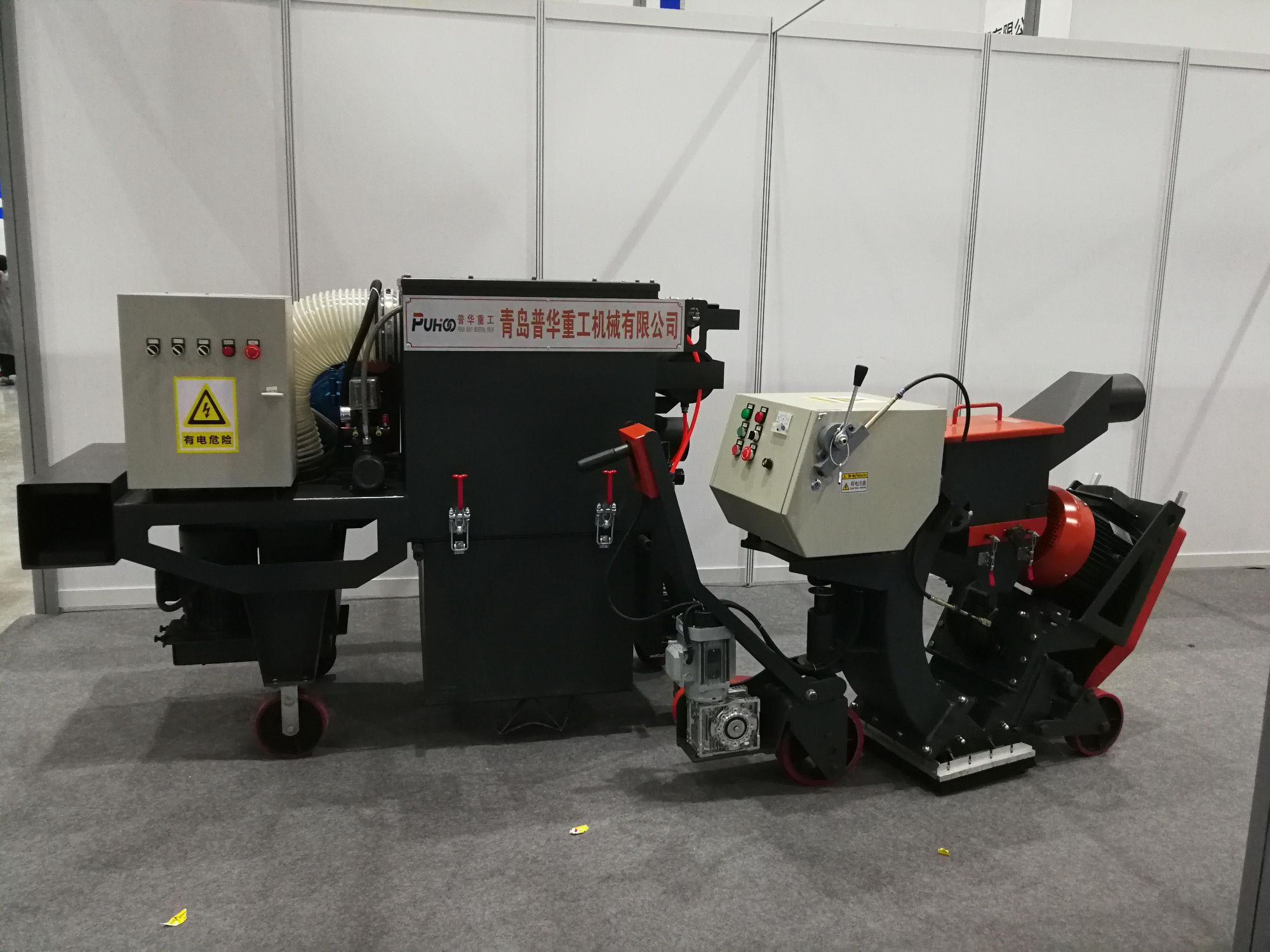
The rhythm on the factory floor is almost hypnotic — each movement deliberate, each calibration a quiet conversation between machine and material. Here, tolerances aren't measured in millimeters but in microns, and the smallest deviation can mean the difference between a component that lasts a decade and one that fails after a few hundred cycles. It's this obsessive attention to the invisible details that transforms raw alloys into parts that engineers trust without second thought.
Durability isn't an afterthought layered on at the end; it's engineered into every stage. From the initial forging where grain structures align under massive pressure, to the cryogenic treatments that relieve internal stresses most manufacturers ignore — resilience is methodically built in. Technicians on the line don't just watch dials; they listen. A subtle change in vibration or heat signature can reveal a flaw long before any automated sensor catches it.
What often goes unspoken is how precision and durability feed each other. A perfectly honed surface doesn't just reduce friction; it actively resists wear, extending life in ways that brute material strength alone never could. Walking through the final inspection area, you'll see components that have already survived tests far beyond anything they'd face in the field. It's a quiet confidence, one that comes from knowing the process was never about meeting a minimum standard, but about redefining what reliable even means.
How to Spot a Truly Reliable Blasting Machine Supplier
Finding a dependable blasting machine supplier goes beyond glossy brochures and sales pitches. Start by digging into how long they’ve actually been serving heavy industries like mining or quarrying—seasoned suppliers tend to have a trail of repeat clients and a grip on real-world challenges that newcomers often miss. Ask for references from job sites similar to yours, and pay attention to whether they openly share case studies or on-the-ground performance data without hesitation.
The gear itself tells a story, too. Look for certifications that align with international safety and quality standards, not just local stamps. A supplier that invests in rigorous testing—like overpressure trials or long-duration load runs—usually won’t hide that fact. It’s also worth checking if components are traceable to known manufacturers; vague sourcing often points to corners being cut where it matters most.
Support after the sale is what separates a true partner from a mere vendor. Reliable suppliers field technical queries without delay, stock critical spares nearby, and don’t vanish when something goes wrong. Probe their training offerings and maintenance plans—if they’re reluctant to commit to a service-level agreement, consider it a red flag. A supplier that helps your crew stay safe and productive is worth far more than a cheaper upfront quote.
Real-World Performance: Stories from the Field
When a major e-commerce site noticed their checkout page lagging by just half a second during peak hours, they dug deeper and discovered that a third-party payment script was loading synchronously and blocking the main thread. After moving it to an async load, conversions jumped 8% within a week. That tiny delay had been quietly costing them hundreds of sales a day.
A travel booking platform once struggled with slow image loading on hotel listings, leading to frustrated users and a rising bounce rate. By implementing responsive images and lazy loading, they not only cut page weight by 40% but also saw a surprising side effect: mobile bookings surged, especially in regions with spotty connectivity. The lesson was clear—performance isn't just about speed, it's about accessibility and trust.
In another case, a news publisher found that their ad-heavy layout was causing layout shifts so severe that readers accidentally clicked ads instead of articles. Switching to reserved space for ad slots and using aspect-ratio boxes stabilized the page, and engagement metrics bounced back. The team realized that real-world performance isn't just metrics on a dashboard; it's about the human frustration behind every abandoned session.
Maintenance Myths That Could Be Costing You Money
You’ve probably heard that you need to change your oil every 3,000 miles. That might have been true decades ago, but modern engines and synthetic oils can easily go 5,000 to 7,500 miles between changes. Sticking to the old rule just drains your wallet and wastes perfectly good oil.
Another costly myth is that premium gasoline boosts performance in any car. Unless your vehicle specifically requires high-octane fuel, you’re just burning extra cash for no benefit. The engine won’t run smoother or last longer—it’s designed to handle regular fuel just fine.
And don’t let the shop talk you into flushing your transmission fluid every 30,000 miles unless the manual says so. Many modern transmissions are sealed and designed for much longer intervals. Unnecessary flushes can actually stir up debris and cause problems, leaving you with a repair bill for a problem that never existed.
The Future of Road Surface Preparation: Innovations to Watch
Road building is quietly being transformed by automation. Self-driving milling machines and robotic pavers are starting to appear on job sites, using GPS and LiDAR to read the terrain and make adjustments on the fly. Instead of relying solely on human operators to hold a grade or avoid obstacles, these machines maintain millimeter-level accuracy without fatigue. The real shift isn’t just in productivity—it’s in predictability, allowing crews to complete surface prep with fewer passes and less rework.
Another under-the-radar development is the use of advanced scanning technology to “see” beneath the pavement before a single cut is made. Ground-penetrating radar and 3D imaging can now map subsurface flaws, moisture pockets, and pavement layer boundaries in real time. This means the decision of where to mill, how deep to go, and what underlying conditions need treatment can be informed by actual data, not just educated guesses. It’s turning reactive patching into precision rehabilitation.
In the materials arena, cold recycling with bio-based binders is gaining traction. Rather than heating up asphalt or hauling away old pavement, crews can remix it on site using emulsions derived from vegetable oils or lignin. This drastically cuts energy use and transportation costs while achieving comparable durability. As these formulas improve, on-site recycling could move from a niche option to the default method for medium-duty roads, making surface prep cleaner and more circular by design.
FAQ
It cleans and preps road surfaces by blasting abrasive material at high speed. This strips away paint, rubber, or thin coatings while also roughening the surface for better adhesion of new overlays.
Look for real-world proof like case studies, long-term warranties, and responsive support teams. A trustworthy builder will openly share machine specs, offer on-site demos, and have a track record of helping customers years after the sale.
Robust welds, durable blast wheels, and intuitive controls make a difference. Quality units also have better dust containment, consistent shot recovery, and components sourced from reputable suppliers—not just the cheapest options.
Downtime on a road crew burns budget fast. A dependable machine keeps projects on schedule, avoids expensive rental backups, and builds your reputation with clients who expect timely completion.
Daily checks on wear parts like blast wheel blades and liners are essential. Regular cleaning of the separator and dust collector, along with monitoring hose and seal conditions, prevents small issues from turning into major breakdowns.
It can handle most asphalt and concrete very effectively, but extremely thin or fragile toppings might shatter under the impact. A reputable manufacturer will help you assess substrate conditions before you commit.
Absolutely. Better filtration means cleaner air for workers, less mess on site, and compliance with environmental rules. It also reduces fine dust getting into internal components, which extends the machine's lifespan.
Conclusion
Choosing a top road shot blasting machine manufacturer isn't just about purchasing equipment—it's about investing in the longevity and safety of every surface you prepare. Quality matters more than many realize, because inconsistent blasting depth or uneven texture can lead to premature coating failures, hidden corrosion, and costly rework. The best manufacturers embed precision into every stage of production, from robotic welding of blast chambers to laser-aligned wheel assemblies, ensuring each machine delivers repeatable profiles even under demanding field conditions. When you witness a machine that runs thousands of hours with minimal downtime, you understand that true durability comes from meticulous engineering, not just thick steel plates.
Yet even the finest machine can underperform if maintenance myths sabotage your operations. Many operators over-lubricate bearings or delay replacing worn blast wheels, believing they're saving money—when in reality they're accelerating wear and energy consumption. A reliable manufacturer doesn't just sell you a unit; they provide clear, myth-busting support that extends asset life. Looking ahead, innovations like real-time dust monitoring, adaptive blast pressure control, and hybrid power systems are redefining road surface preparation. The right partner stays at the forefront of these changes, offering you equipment that's not only built for today's challenges but ready for tomorrow's. In the end, quality and reliability aren't abstract promises—they're proven by the consistency of every square meter you treat and the confidence you gain from machines that perform job after job, year after year.
Contact Us
Contact Person: Bruce
Email: [email protected]
Tel/WhatsApp: +86 15166629468
Website: https://www.povalchina.com/