

Top Dredger Supplier Your Ultimate Guide to Quality Dredging Equipment
2026-05-23
When it comes to sourcing reliable dredging equipment, the choices can feel overwhelming—especially if uptime and efficiency matter to your project. Whether you're tackling harbor maintenance or land reclamation, the right partner makes all the difference. In this guide, we cut through the noise to show you what truly defines a top dredger supplier, with insights drawn from YaKai Dredger's two decades on the water. Think of it as your no-nonsense roadmap to quality gear that performs when it counts. Ready to dig deeper?
Matching the Right Dredger to Your Project’s Demands
Every waterway, shoreline, or seabed presents its own set of challenges. A project that demands deep excavation in hard-packed sediment won’t get far with a small suction dredger designed for silt removal. Mud, sand, clay, gravel, and even weathered rock each respond differently to mechanical and hydraulic forces. Getting the material analysis right early on determines whether you’ll need a cutter suction dredger with robust teeth, a trailing suction hopper for loose granular material, or a bucket dredger for stubborn compacted layers. Overlooking particle size distribution and abrasiveness can lead to excessive wear, constant downtime, and blown budgets.
Production targets and site constraints often draft the real shortlist for equipment. A cramped canal or a marina behind a low bridge won’t accommodate a massive cutter suction rig, no matter how high its output. Draft limitations, turning radii, and the need to keep nearby traffic moving all shape the final choice. On open water, a self-propelled trailing suction hopper dredger can pump material directly into its own hopper and sail to a disposal site, keeping supply vessels and pipelines out of the way. For land reclamation, a stationary cutter dredger feeding a floating pipeline might deliver the needed volume without constant repositioning. The trick is matching not just the machine’s peak capacity to the hourly goal, but its whole operating pattern to the rhythm of the site.
Environmental rules and long-term flexibility frequently tip the scales. A backhoe dredger equipped with a closed grab can reduce turbidity where sensitive habitats or water intakes are nearby, while an auger dredger might be the answer for contaminated sediments requiring precise removal with minimal re-suspension. It’s rarely just about digging faster. More and more, project owners weigh how easily a dredger can be adapted to future campaigns—whether by swapping out a cutter head, adjusting the ladder, or switching between mechanical and hydraulic tools. A decision based purely on today’s soil report can lock you into a solution that feels outdated the moment the next phase kicks in.
What Separates a Reliable Supplier from the Rest
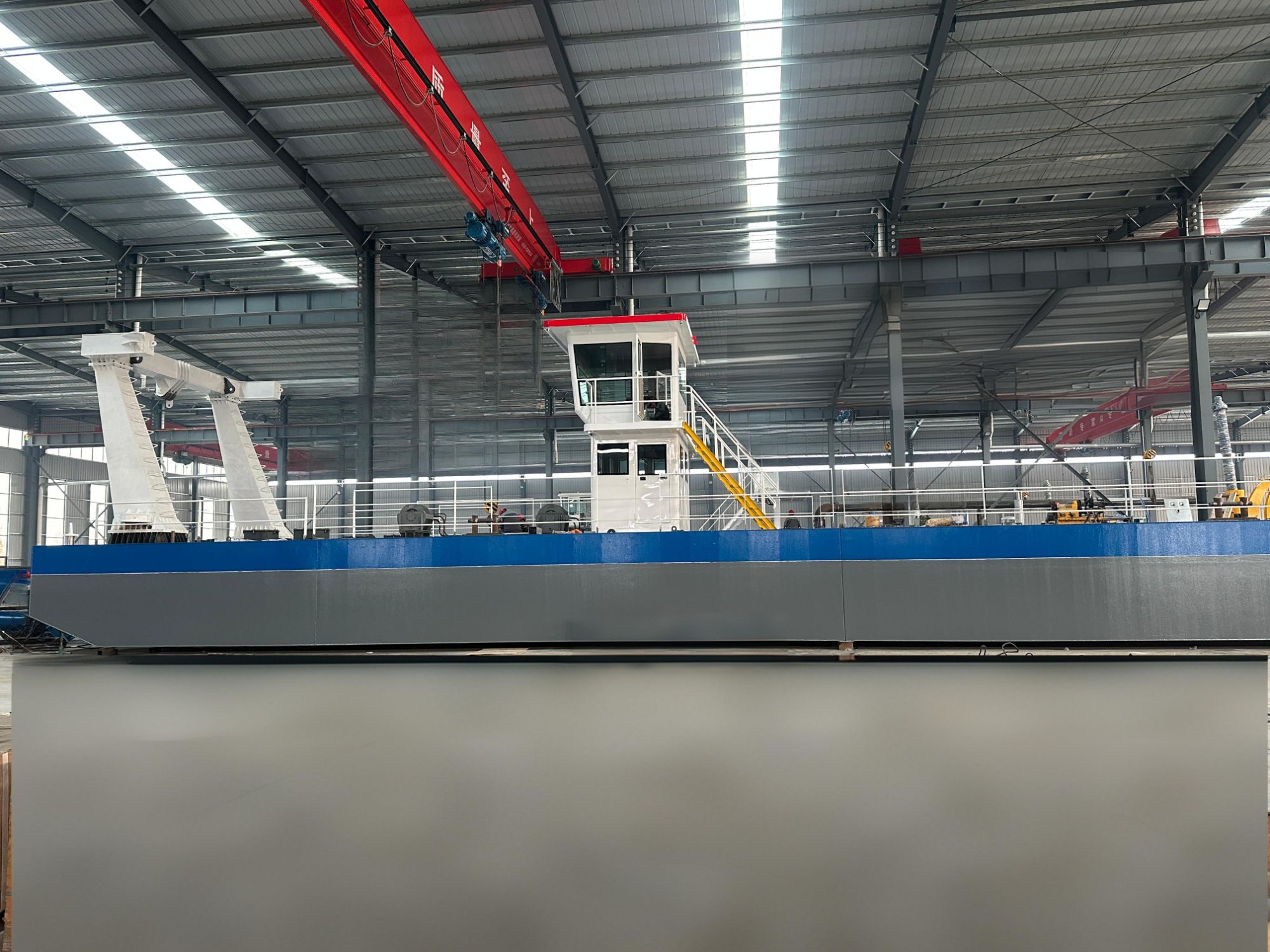
A truly dependable supplier operates with a level of transparency that feels almost unusual. They share detailed production timelines, quality control reports, and even introduce you to the team behind your order. When challenges arise—which they inevitably do—they communicate early, offering solutions rather than excuses. This openness builds a partnership where surprises are minimized and trust becomes the default setting.
Beyond meeting specifications, the best suppliers bring a proactive mindset. They suggest material alternatives that improve durability, flag potential design flaws before prototyping, and keep you informed about industry shifts that might affect future orders. It's the difference between someone who simply fills a purchase order and someone who actively protects your brand's reputation. Their consistency isn't just about delivering on time; it's about delivering the same level of thoughtfulness every single time, regardless of order size.
Finally, reliable suppliers invest in relationships that outlast individual transactions. They remember your preferences, adapt their processes to your workflow, and celebrate your growth as if it were their own. When you find a supplier who treats your business with genuine care—not as another account number but as a shared venture—you hold onto them. That mutual dedication is what turns a vendor into a long-term advantage.
Silent Innovations Reshaping Modern Dredging Equipment
Noise used to be the unavoidable soundtrack of any dredging project—the constant rumble of diesel engines, the screech of metal, and the underwater thumping that disturbed marine life for miles. But a new wave of engineering is proving that powerful doesn't have to mean loud. Across modern dredging fleets, a series of under-the-radar advancements are quietly transforming how material is moved, with electric drive systems and sound-dampening hull designs leading the charge. These aren't flashy upgrades; they're subtle shifts in component architecture that collectively slash decibel levels while boosting efficiency. Operators now report being able to hold a normal conversation on deck, and marine biologists are tracking a remarkable return of sensitive species to historically noisy work zones. The silence isn't just golden—it's a fundamental redesign of what dredging equipment can be.
What's driving this hushed revolution? Partly, it's the electrification of core functions. Hybrid and fully electric cutter suction dredgers are eliminating the drone of large diesel gensets, replacing them with battery banks and shore power connections that purr rather than roar. Even traditional hydraulic systems are being rethought: variable-speed pumps now adjust their output to match real-time demand, so they're not constantly screaming at full throttle. Meanwhile, manufacturers are borrowing tricks from the automotive and defense industries—multi-layer composite panels, vibration-isolated cabins, and specially profiled impellers that cut through water with minimal cavitation noise. One particularly clever innovation involves bubble curtains that wrap around cutter heads, acting as an acoustic barrier that contains the underwater clamor. It's a piecemeal but powerful shift, each quiet tweak building on the next to create machines that are less intrusive and surprisingly more productive.
The upstream effects are reshaping project approvals and community relations. Ports and inland waterway authorities, once resigned to noise complaints and lengthy environmental reviews, are now specifying quiet dredging as a contract requirement. A dredge that can work 24/7 through an urban waterfront without triggering noise ordinances changes the economic calculus of a project. At the same time, the data from these silent systems is unlocking deeper insights—acoustic sensors that detect variations in pump sounds can predict maintenance needs before a breakdown, turning a quiet machine into a communicative one. It's a quiet makeover that extends beyond the equipment itself, redefining the relationship between industrial activity and the surrounding environment and proving that sometimes the most impactful innovations are the ones you barely hear.
Overlooked Maintenance Habits That Prolong Machine Life
Most operators focus on scheduled oil changes and part replacements, but the spaces between those routines hold the real secrets. Dust buildup inside cooling fins and ventilation grilles silently cripples heat dissipation, forcing motors to run hotter than their design limits. A monthly blast of compressed air — directed away from seals and bearings — can prevent thermal fatigue that slowly warps precision components.
Storage habits are just as critical as operational care. Tools left in damp corners develop invisible surface rust that chews through mating surfaces once they’re back in service. Meanwhile, belts and soft seals degrade faster when machines sit idle under tension; releasing spring-loaded idlers or backing off pressure during downtime adds years to their life. It’s the idle moments, not the working hours, that often dictate longevity.
Real-World Lessons from Complex Dredging Operations
Every major dredging project eventually reveals the same truth: no amount of desktop planning fully prepares a team for the surprises hidden beneath the waterline. In one port expansion, unexpected boulders and buried debris turned a straightforward capital dredging job into a six-month lesson in adaptive management. The crew learned to swap out cutter heads on the fly and redesign their spoil disposal route after unexpected contamination was discovered mid-project. That experience cemented a practical rule—always budget for the unknown, both in time and money, even when geotechnical surveys appear thorough.
Complex dredging also forces teams to navigate overlapping regulatory and environmental constraints that look simple on paper but collide in the field. A recent channel deepening project in a busy estuary had to balance turbidity limits, vessel traffic windows, and seasonal fishery migrations all at once. The project manager described it as “scheduling a ballet on shifting sands.” Real-time monitoring and close daily coordination with port authorities and environmental agencies became the only way to keep operations moving without triggering costly shutdowns or penalties. The lesson was clear: successful dredging in sensitive areas requires a communication rhythm that no permit document can prescribe.
Perhaps the most underrated lesson from complicated dredging jobs is the human factor. Crew fatigue, shift handovers, and the simple stress of working around unpredictable tides and weather can lead to small mistakes that cascade into major equipment damage or safety incidents. One contractor on a large-scale reclamation project found that investing in extra rest days and cross-training operators reduced downtime by nearly 20 percent, simply because the crew made better decisions when they weren’t exhausted. It’s a reminder that the most sophisticated dredge in the world is only as effective as the people running it, and their wellbeing deserves the same meticulous attention as the material they’re moving.
Smart Spending Without Cutting Corners on Quality
Trimming expenses rarely feels glamorous, but it doesn't have to mean sacrificing what you love. The trick is to shift focus from price tags to long-term value. Instead of hunting for the cheapest option every time, train yourself to recognize durable materials, timeless design, and thoughtful construction. A well-made item that lasts five years often costs less per use than a flimsy alternative you'll replace annually. This mindset turns spending into a skill that rewards you with fewer disappointments and a home filled with things that genuinely work.
Building a quality-focused budget starts with knowing where your money currently goes. Audit your subscriptions, pantry staples, and recurring purchases with fresh eyes. You'll likely find a few 'zombie expenses'—things you pay for out of habit but rarely use. Redirecting that freed-up cash towards fewer, better-chosen goods is the quiet revolution your wallet deserves. It also helps to embrace the art of repair and maintenance, which keeps beloved items in circulation far longer than the throwaway culture would have you believe.
Finally, learn to leverage community, timing, and the perfectly good pre-owned market. Borrowing or renting specialty equipment, hitting seasonal clearances for classic staples, and scouring consignment shops can put tremendous quality within reach. The goal isn't to deprive yourself; it's to sidestep the illusion that more spending equals more satisfaction. When you curate rather than accumulate, every dollar carries a little more weight, and your daily life feels richer without the financial hangover.
FAQ
Equipment quality often comes down to the supplier's manufacturing standards and materials. Look for suppliers that use wear-resistant steel and have rigorous testing protocols. It's the small engineering details, like pump efficiency and cutter head design, that separate the average from the excellent.
Start by checking how the equipment handles your specific sediment type. A reliable dredger should offer consistent performance without constant breakdowns. Asking for case studies or references from similar projects usually gives you an honest picture of what to expect.
You'll generally find cutter suction dredgers, trailing suction hopper dredgers, and amphibious excavators. Some suppliers also offer specialized models like jet suction or auger dredgers. The key is matching the dredger type to your soil conditions and required output.
A supplier's history tells you how they handle challenges over time. Long-standing companies have typically refined their designs through real-world feedback. Plus, they're more likely to provide dependable after-sales support and spare parts when you need them.
Regular inspection of wear parts is essential—things like pump impellers and cutter teeth should be checked frequently. Keeping the cooling system clean and monitoring hydraulic oil quality prevents major failures. It's also smart to train your crew on daily upkeep routines to catch small issues early.
Think beyond the purchase price. Consider fuel consumption, ease of transport, and expected downtime. A slightly pricier dredger with lower operating costs and higher uptime often delivers better long-term value. Don't overlook the availability of local technical support either.
Conclusion
Matching a dredger to your project isn't just about size or power—it's about understanding how the machine interacts with the sediment, water depth, and disposal limits. A cutter suction dredger might chew through compacted clay efficiently, but a trailing suction hopper dredger could be far more practical for sandy seabeds and longer hauling distances. The right supplier listens carefully, questions your assumptions, and often recommends something you hadn't considered. They bring firsthand field experience, not just catalog specifications, and can point to actual jobs where similar challenges were overcome. This kind of guidance transforms equipment selection from a gamble into a calculated decision.
Once the right dredger is on site, the focus shifts to keeping it productive without bleeding money. Many of the most impactful innovations are nearly invisible—improved pump geometries, predictive wear monitoring, and tougher steel alloys that quietly extend component life. Meanwhile, maintenance habits like inspecting seal clearances, greasing pivot points on schedule, and recording vibration patterns are rarely glamorous but prevent most catastrophic failures. Real-world projects teach that downtime costs far more than preventive care, and that operators who understand their machine's quirks are worth their weight in dredged material. Spending smart means investing in these durable advantages rather than chasing the lowest purchase price, securing reliable output for years instead of months.
Contact Us
Contact Person: Nancy
Email: [email protected]
Tel/WhatsApp: (+86) 13869631558
Website: https://www.yakaidredger.com/