

Top 10 Residential Energy Storage Batteries for Reliable Home Power
2026-10-24
A reliable home battery isn't just about surviving blackouts—it's about taking control of your energy, every single day. After testing and comparing dozens of models, we've narrowed down the top 10 residential energy storage batteries that blend capacity, longevity, and smart features without the marketing hype. Whether you're pairing them with solar or simply want a silent backup that kicks in before the fridge notices, this list has you covered. One name that keeps coming up for its no-nonsense engineering is UNC, a brand that's quietly earning a spot alongside the usual heavyweights. Dive in and find the right fit for your home.
What Actually Changes When You Switch From Lead-Acid to Lithium
You'll notice the weight difference before anything else. A lithium pack with the same usable capacity often weighs less than half what a lead-acid bank would. That means easier mounting, less strain on battery trays or brackets, and sometimes a lower center of gravity. For anything that moves—an RV, a boat, a golf cart—the weight loss alone can translate into better handling and a little more range.
The way power gets delivered changes too. Lead-acid voltage sags noticeably under load and drops as the state of charge falls. Lithium holds a much flatter curve, so your equipment sees a more consistent voltage until the pack is almost empty. You also get to use more of the rated capacity without damaging the battery. Where lead-acid often needs to stay above 50% charge, lithium can routinely go down to 10% or less, so a smaller lithium pack often matches a larger lead-acid bank in real-world runtime.
Charging shifts from a slow, multi-stage chore to something quicker and simpler. Lithium accepts higher current for most of the charge cycle, so a full top-up can take a couple of hours instead of eight. There's no need to water cells, equalize, or worry about sulfation from partial charges. You do need a charger or BMS that respects lithium voltage limits, but once that's in place, the daily routine mostly disappears.
Why Some Home Batteries Struggle in Cold Weather and Which Ones Don't
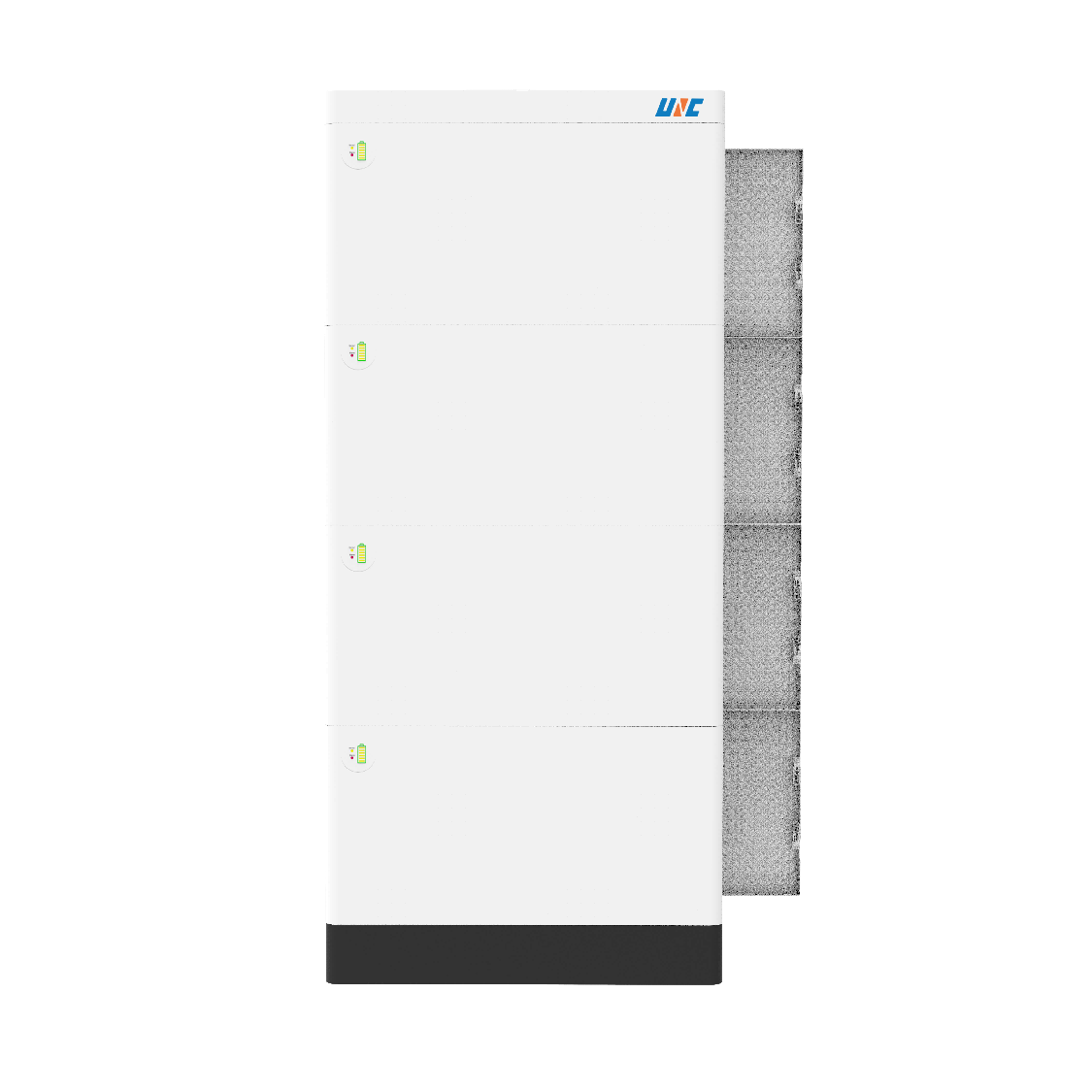
When temperatures drop, the electrolyte inside a lithium-ion cell becomes more viscous, slowing the movement of lithium ions between the anode and cathode. This raises internal resistance and cuts both usable capacity and power output. In severe cold, charging a lithium-ion battery can cause metallic lithium to plate onto the anode instead of intercalating, which permanently reduces capacity and can create safety risks. Most residential batteries use NMC or NCA chemistries, and without active thermal management they can lose a significant share of their rated capacity below freezing.
Some home batteries handle cold weather much better because they include built-in heating elements, insulated enclosures, or liquid thermal management that keeps cells within an optimal temperature band. Lithium iron phosphate (LFP) batteries tend to suffer less from cold-weather capacity loss than NMC packs, though they still need protection when charging below 0°C. A few newer designs place the battery indoors or in a conditioned space by default, which sidesteps the problem entirely.
If you live in a region with harsh winters, look for a home battery with a wide operating temperature range, active heating, and a battery management system that limits charging current until the cells warm up. Batteries without these features may still work in mild cold, but repeated exposure to subzero temperatures can shorten their lifespan and leave you with less backup power when you need it most.
The Inverter Question Built-In vs External and Why It Affects Your Bill
Most people don't spend much time thinking about where their inverter lives. Built-in units sit tucked behind panels, quietly doing their job without ever being seen. External models often end up bolted to a wall in the garage or next to the utility meter. The placement may seem like a small detail, but it changes how heat builds up, how accessible the unit is for service, and ultimately how much energy slips away before it ever reaches your appliances.
Heat is the quiet thief here. A built-in inverter inside a sealed compartment can run hotter, and as temperatures climb, its efficiency drops. Some units derate by ten percent or more in poor ventilation. An external inverter, especially one mounted in a shaded spot with air moving around it, tends to stay cooler and hold its rated output longer. Over a year of daily cycling, that difference shows up as a few extra kilowatt-hours bought from the grid instead of coming from your panels.
Service calls tell the same story with a different price tag. If a built-in unit fails, the technician may need to remove trim, disconnect wiring behind walls, or work in a cramped space. That labor adds up fast. External inverters usually mean a faster swap, often half the labor cost. Some builders push built-in designs because they look clean, but the long-term bill—in lost efficiency and repair hours—can quietly outweigh the aesthetic win.
How Much Backup Power Do You Really Need A Room-by-Room Reality Check
Most people overestimate their backup power needs because they think in terms of whole-house coverage. A realistic approach starts with mapping your daily routines to specific rooms. Your refrigerator, a few lights, and a router might keep your kitchen and living room functional for days on a surprisingly small battery station, while that basement freezer can wait or be cycled manually.
The bedroom rarely needs more than a CPAP machine and a phone charger, which a compact portable unit handles easily through a full night. In the home office, a laptop and monitor pull less than you'd expect, but avoiding laser printers and space heaters is key. By assigning wattage to actual devices per room, you can build a system that covers critical zones without paying for unused capacity.
Garages and workshops often get ignored until an outage hits. A sump pump, garage door opener, or security camera may require a separate circuit or a higher surge rating, but not a massive generator. Checking each room's must-run load against a kill-a-watt meter reveals that true backup power is often half the advertised figure, leaving room for a quieter, simpler setup that you'll actually use.
Battery Lifespan Claims vs What Installers See in the Field
Manufacturers often tout impressive cycle counts and calendar life figures under ideal laboratory conditions—25°C, gentle discharge rates, perfectly balanced cells. In the field, installers rarely see those conditions. Rooftop battery cabinets bake in summer heat, off-grid systems get hit with uneven charging, and partial state-of-charge operation eats away at lithium iron phosphate packs faster than datasheets suggest. A battery rated for 6,000 cycles might start showing measurable capacity loss after three years of daily cycling in a hot garage, and installers learn to derate those claims by a solid margin when sizing backup power.
There's also a gap between warranty language and actual replacement behavior. A 10-year warranty often assumes a maximum throughput or cycle count, and once that invisible meter is exceeded, the manufacturer walks away. Installers in the field have seen packs fail from a single bad cell or a BMS fault long before the advertised lifespan, while other packs keep running well past the sticker date but with noticeably reduced runtime. The practical takeaway is that claimed lifespan is a marketing benchmark, not a field prediction—real-world longevity depends on thermal management, depth of discharge habits, and how well the system's charge controller is tuned.
Financing and Rebates Where the Real Savings Hide
Most buyers fixate on the sticker price, but the gap between a good deal and a great one often sits in the financing terms and rebate stacking. A zero-percent APR over 60 months can outweigh a $1,500 cash rebate if the loan amount is above roughly $25,000—yet dealers rarely walk you through that math. Ask for the total interest paid under each scenario before you sign.
Rebates are rarely a single line item. Manufacturers, utility companies, state energy offices, and local municipalities may each have separate incentives that can be combined, but many go unclaimed because no one tells you they exist. Push the salesperson to list every rebate you qualify for by zip code, employer, military status, or trade-in loyalty. Then verify the fine print: some expire at month-end, others require financing through a specific lender.
Timing changes the hidden savings too. At the end of a quarter or during a model-year closeout, captive finance arms often add unpublished rate subventions or bonus cash that never appear on the window sticker. Keep the car price negotiation separate from the financing and rebate discussion—lock the selling price first, then layer in the incentives. That sequence prevents dealers from burying the true discount in a confusing payment quote.
FAQ
A dependable unit holds up over thousands of cycles without major capacity fade, delivers consistent power during outages, and comes with a warranty that covers at least 10 years or a specific energy throughput. Look for round-trip efficiency above 90%, decent depth of discharge ratings, and a track record from installers rather than just marketing claims.
That depends on your daily consumption and which loads you consider critical. Most households use 20–30 kWh per day, but a single 10–13 kWh battery can cover essentials like refrigerators, lights, and medical devices for several hours. For full backup, you might pair two or three modules. Start with an energy audit of your peak evening usage.
Yes, but they come with trade-offs. Lead-acid batteries are cheaper upfront but heavier, need ventilation, and tolerate fewer cycles. Saltwater batteries are non-toxic and easy to recycle yet have lower energy density. Lithium iron phosphate (LFP) is now the dominant chemistry because it balances safety, lifespan, and cost, so most top-10 home batteries use it.
Absolutely. Many homeowners use batteries strictly for backup power or to take advantage of time-of-use electricity rates. You can charge the battery from the grid when power is cheap and discharge it during peak hours. Adding solar later is possible if you choose a hybrid inverter or an AC-coupled system that supports future expansion.
Very little. Modern lithium-based systems are sealed, passively cooled, and monitor themselves through built-in software. You might need to clean dust from the unit, ensure the area stays within the manufacturer's temperature range, and keep firmware updated. There are no water levels to check or terminals to clean like older lead-acid banks.
The hardware price is only part of the story. Some batteries require a separate inverter, while others integrate the inverter inside the enclosure. Labor, permitting, and electrical upgrades also differ. A stackable modular system can be cheaper to install in tight spaces, whereas a heavy single unit may need special mounting or wall reinforcement.
Check whether your current inverter supports AC coupling or if you'll need a DC-coupled hybrid inverter. Many top batteries specify compatibility lists for major inverter brands like SolarEdge, Enphase, or SMA. Ask an installer to verify the firmware versions and communication protocols before purchase to avoid unexpected gateway or monitoring issues.
Chemistry dictates cycle life, thermal stability, and capacity degradation. LFP cells typically last 6,000–10,000 cycles at 80% depth of discharge, while NMC cells might offer higher energy density but fewer cycles and a slightly higher fire risk if damaged. For daily cycling in a hot garage, LFP tends to be the safer, longer-lasting choice.
Conclusion
Moving from lead-acid to lithium changes more than just weight and cycle count. Homeowners notice immediate gains in usable capacity, faster charging, and a much smaller footprint, but the real shift is in how the battery handles partial state of charge—lead-acid degrades quickly if not fully topped up, while lithium tolerates it without the same capacity loss. Cold weather performance separates budget packs from proven units: premium models include internal heating or can trigger a pre-warm cycle, allowing operation well below freezing, while cheaper ones throttle or shut down entirely. The inverter question is equally practical. Built-in units simplify installation and keep warranty support in one place, but external inverters let you size components independently and often handle surge loads better, which affects how much of your bill-saving self-consumption actually happens. Backup sizing is rarely about the whole house; a room-by-room check usually shows that keeping the fridge, router, a few lights, and a furnace blower running for eight to twelve hours requires far less capacity than marketing sheets imply.
Lifespan claims deserve a reality filter. Installers in the field report that most lithium systems hold up better than early lead-acid, but 10,000-cycle promises are often based on lab conditions, not real temperature swings and partial daily cycling. A realistic top-tier residential battery should deliver 70–80% capacity after eight to ten years, and that is enough for reliable backup if you plan for some degradation. Where savings hide is not in the sticker price but in stacked incentives: local rebates, time-of-use arbitrage, and demand-response programs can cut the payback period by half, yet most buyers never claim them. The best choices among today's residential storage options pair heated lithium chemistry, a robust built-in or carefully matched external inverter, and honest software that shows daily throughput and remaining capacity. That combination—not raw amp-hour ratings—is what keeps the lights on when the grid fails.
Contact Us
Contact Person: Manager Leng
Email: [email protected]
Tel/WhatsApp: 8613764878967
Website: https://www.unc-energy.com