Top 10 Paper Packaging Innovations You Should Know
2026-10-31
Cardboard quietly had a glow-up. The humble box is no longer just a vessel—it's becoming smarter, lighter, and surprisingly alive with possibility. In this list of the top 10 paper packaging innovations, you'll see how designers are rethinking fiber to slash waste, extend shelf life, and turn unboxing into an experience. Some of these ideas may feel almost too clever for the grocery aisle. At Imagine Craft Packaging, we watch these shifts closely because the next breakthrough usually starts where material science meets everyday logistics. Curious which innovations made the cut? Keep reading—number seven might change how you think about a simple paper bag.
Molded Fiber Cushioning Steps In for Fragile Shipments
For years, expanded polystyrene and polyethylene foam dominated the protective packaging landscape, but their environmental footprint has pushed logistics teams to reconsider. Molded fiber cushioning has quietly stepped into that gap, offering a durable, form-fitting barrier for glassware, electronics, and ceramics. Made from recycled cardboard, newsprint, and other cellulose sources, the material can be pressed into trays, corner blocks, and clamshells that absorb shock without adding excessive weight or bulk.
The real advantage shows up in customization. Unlike foam sheets that require die-cutting or hand assembly, molded fiber is formed in metal molds under heat and pressure, allowing manufacturers to create recesses that match a product's exact silhouette. That means a wine bottle, a smartphone, or a set of laboratory vials sits snugly inside its protective shell, with minimal movement during transit. Drop tests routinely show that the curved, ribbed structures of molded fiber disperse impact energy more evenly than flat cushioning, reducing the chance of stress fractures at corners or protruding edges.
Beyond performance, the switch to molded fiber also simplifies the unboxing experience. Recipients can recycle the entire cushioning component with their regular paper stream instead of sorting mixed materials. For brands, that translates into fewer waste-handling complaints and a cleaner sustainability story—without sacrificing the protection that fragile shipments demand. It is a practical shift, not a compromise, and one that more fulfillment centers are adopting as they phase out foam and plastic void fill.
Paper Bottles That Hold Carbonation Without a Plastic Liner
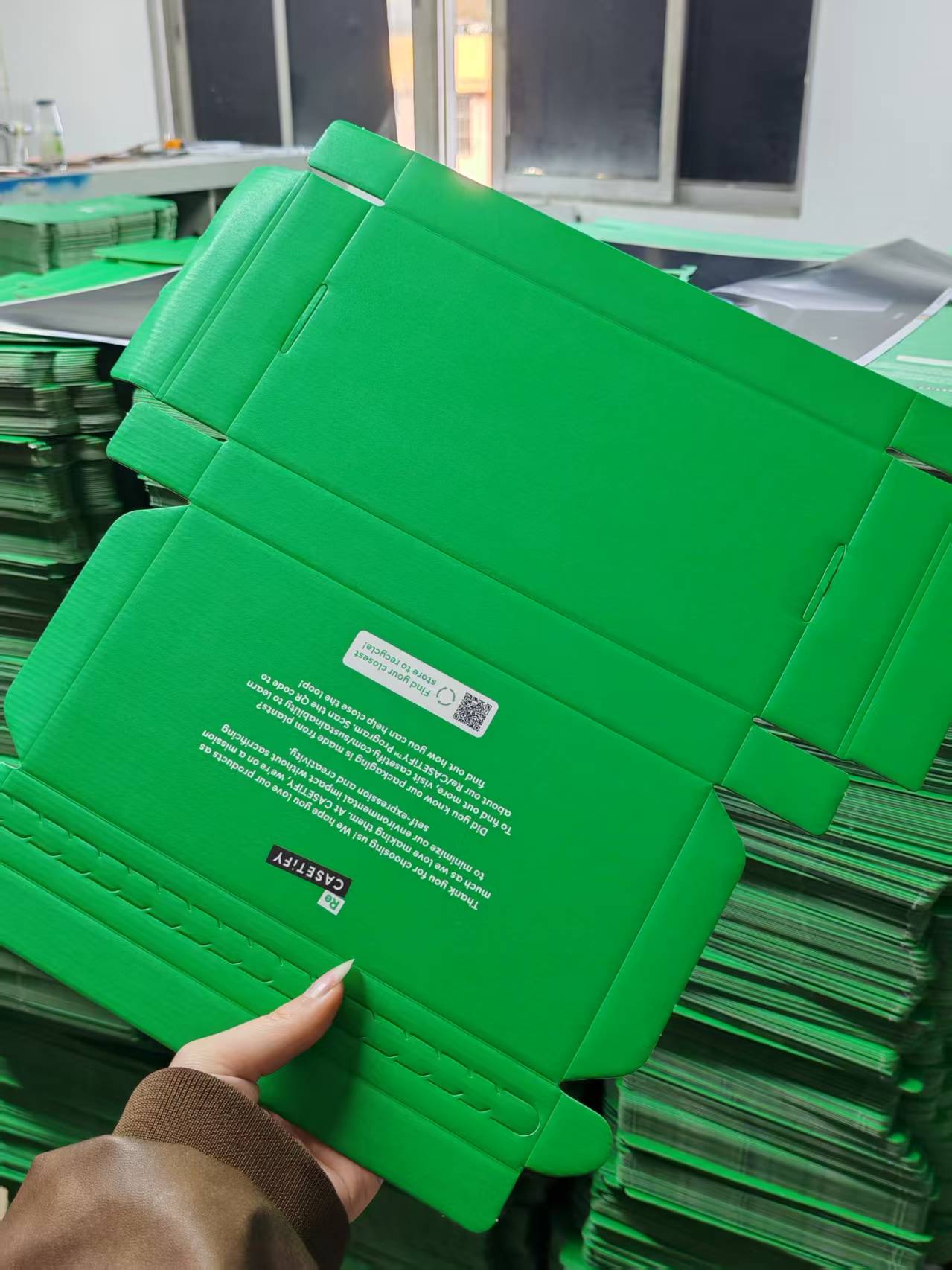
For decades, the fizzy drink aisle has depended on a quiet compromise: paper labels outside, plastic hidden inside. A truly plastic-free paper bottle that can hold carbonation has been one of packaging's hardest problems, mostly because paper fibers alone let gas escape and turn soggy under pressure. New approaches are finally breaking that barrier by rethinking the bottle's inner structure rather than simply swapping one liner for another.
Some prototypes use a thin, water-based barrier coating that fills the microscopic gaps between fibers, while others rely on molded pulp densified enough to resist moisture and gas migration. The tricky part is keeping the bottle rigid enough not to bulge or lose its fizz over weeks of storage, yet still recyclable in ordinary paper streams. A few brands have started bottling sparkling water in these designs, but they often need a screw cap made from non-paper material, which raises its own sorting questions.
What makes recent versions stand out is how they handle the crown of the bottle, where gas pressure concentrates. Instead of a separate plastic insert, some engineers shape the paper pulp into a strong neck that can hold a standard closure, while others coat only the inside with a compostable polymer. The result is a bottle that keeps carbonation for several months, survives drops from shelf height, and still breaks down in a paper mill without contaminating the pulp. It's not perfect yet, but it's the closest the industry has come to leaving plastic liners behind.
Water-Based Barrier Coatings Replace Plastic Films on Paperboard
Paperboard packaging has long leaned on thin plastic films to block grease, moisture, and oxygen. Those films work, but they also create a recycling headache, forcing mills to peel away layers that often end up in landfill. Water-based barrier coatings flip that logic. Applied directly to the board during production, they form a functional shield without the extra material separation step. The result is a mono-material package that slips back into the paper stream with far less friction.
What makes these coatings interesting is how they are tuned for specific jobs. A fast-food burger box needs grease resistance, while a frozen meal tray demands moisture holdout at low temperatures. Formulators adjust polymer dispersions, pigments, and crosslinkers to match the end use, often running trials on the same coating line a converter already owns. That flexibility means brands can drop plastic lamination without redesigning the entire package or sacrificing shelf life.
Adoption isn't purely about eco-claims. Barrier-coated board often runs better on high-speed forming lines because it eliminates the static and curling issues associated with film lamination. Printability improves as well, since the coating fills surface pores and gives ink a smoother base. As regulatory pressure on single-use plastics grows, expect these water-based systems to move from niche applications into mainstream cartons, cups, and trays, quietly reshaping what a paper package can do.
Paper Foam Insulation Cuts Polystyrene from Cold Chain Packaging
Paper foam insulation is steadily replacing expanded polystyrene in cold chain packaging, and the shift is long overdue. Designed from recycled paper fibers and a small amount of binder, the material forms a rigid yet lightweight panel that locks in cold air without the environmental baggage of foam plastics. Early adopters in meal kit delivery and pharmaceutical distribution are already swapping out Styrofoam coolers for this fiber-based alternative, citing both performance and easier disposal.
The thermal performance holds up surprisingly well. Independent tests show that paper foam panels can maintain internal temperatures within a safe range for 48 to 72 hours when paired with water-based ice packs—figures that match or beat traditional polystyrene liners. Because the panels are curbside recyclable and degrade readily in paper mills, they avoid the microplastic shedding and landfill persistence that have made polystyrene a target of packaging bans.
Cost used to be the main obstacle, but that gap is closing as production scales. Several packaging suppliers now offer paper foam insulation at near parity for mid-size shippers, and volume discounts are bringing it within reach for smaller cold chain operators. With extended producer responsibility rules tightening in Europe and several U.S. states, the switch from polystyrene to paper foam is looking less like a niche choice and more like the default for future cold chain shipments.
Flexible Paper Packaging Stays Snack-Friendly with New Barriers
Snack brands have long leaned on multi-layer plastic films because they lock out moisture and oxygen so effectively. The switch to paper has always stumbled on that same point: plain paper lets humidity in and lets crispness escape. New barrier coatings are changing that math. Thin, water-based layers now seal the paper surface without turning it into a plastic laminate. Chips stay crunchy, crackers keep their snap, and cookies don't go soft—even after the bag has been open for a while.
What makes these barriers practical is how they're applied. Instead of thick extruded coatings, manufacturers use precision slot-die or gravure methods to lay down just a few microns of functional material. That means the package still flexes and folds like paper, but the inside behaves more like a high-performance liner. Because the coating is designed to be repulpable, the finished package can slide into the existing paper recycling stream. For snack companies, that removes one of the biggest hurdles to meeting sustainability targets without sacrificing shelf life.
Paper Blister Packs Offer a Recyclable Alternative for Medications
For decades, medication packaging has been dominated by plastic-and-foil blister packs that end up in landfills after a single use. Paper blister packs flip that script by using recyclable paperboard as the primary structure. The individual cavities that hold pills are formed directly into the paperboard, often with a thin water-based barrier coating to protect the medication from moisture. Since the main body is paper, the entire pack can be dropped into standard paper recycling streams after the foil lid is peeled off. This means the packaging can have a second life as cardboard boxes, tissue paper, or even new blister packs, rather than lingering in a landfill for centuries.
One common concern is whether paper can adequately shield sensitive medications. Modern paper blister packs address this by pairing the paperboard with minimal, carefully selected barrier layers. For example, a very thin polymer or bio-based coating may be applied only to the inside of each cavity, while the outer surface remains uncoated paper. This approach keeps moisture and oxygen out without turning the entire pack into a mixed material that is difficult to recycle. Some manufacturers are also experimenting with fully compostable barrier films made from cellulose or algae, pushing the entire package closer to a truly circular design.
Beyond the environmental angle, paper blister packs offer practical benefits for patients and pharmacies. The paperboard can be printed with high-quality graphics, larger font sizes for medication instructions, and tactile features such as Braille or raised indicators for different days of the week. Because the base is stiffer than flexible plastic films, the pack is easier to handle for people with arthritis or limited dexterity. And for pharmacies, switching to paper blister packs can reduce the weight of shipping materials and simplify waste sorting, since the empty packs no longer need to be separated into plastic and foil components. As more drug manufacturers adopt these designs, paper blister packs are moving from a niche idea to a mainstream recyclable alternative.
FAQ
They replace single-use plastic with a molded cellulose shell that can hold liquids like wine or shampoo while degrading in home compost within months. The internal barrier is often bio-based, so the entire bottle can be recycled in paper streams or composted without disassembly.
Instead of relying on polyethylene film, new coatings made from seaweed, starch, or plant waxes give paperboard the grease and moisture resistance needed for takeout boxes and frozen meals. These coatings disappear during commercial composting and don't interfere with repulping.
It uses waste paper or agricultural residue to form cushioning trays and corner inserts that absorb impacts as well as foam. Because the shape can be customized for each product, it eliminates the need for plastic air pillows and tape-heavy wraps, while remaining curbside recyclable.
It enables short runs and regional customization without plates, so brands can test new designs or print localized languages and limited editions without waste. This reduces inventory overproduction and lets smaller producers afford high-quality graphics on corrugated or folding cartons.
Yes, in many cases. Paper mailers with padded honeycomb liners or crimped kraft layers protect clothing, books, and small electronics while tearing open by hand. They are lighter than some rigid boxes and can be recycled in single-stream bins, unlike plastic mailers.
Thin mineral-based barriers, such as calcium carbonate or silica coatings, can be applied to paperboard to block liquids. These coatings are food-safe, repulpable, and often compostable, making them suitable for deli containers, butter wraps, and quick-service trays.
Printed NFC tags or conductive ink antennas on paper boxes allow users to scan with a phone to verify authenticity, access instructions, or reorder products. These features don't hinder recycling because the printed electronics are either removed with a pull tab or broken down in repulping.
Conclusion
The push to replace plastic-heavy formats has produced a wave of paper-based structures that finally match the protective and barrier demands of modern shipping. Molded fiber cushioning now absorbs shocks for fragile electronics and glassware, giving e-commerce brands a curbside-recyclable alternative to polyethylene foam. At the same time, paper bottles have crossed a major technical hurdle by holding carbonated drinks without a hidden plastic liner. Developers achieve this through carefully engineered fiber matrices and internal coatings that retain fizz while keeping the outer shell fully repulpable.
Beyond bottles and cushioning, water-based barrier coatings are quietly replacing plastic films on paperboard trays and cups. These thin, repulpable layers block grease and moisture without complicating the recycling stream. Paper foam insulation offers another breakthrough, cutting polystyrene out of cold chain shipments for meal kits and pharmaceuticals. Flexible paper packaging has also become snack-friendly through new barrier chemistry that keeps chips crisp and dry. On the pharmacy shelf, paper blister packs are emerging as a recyclable alternative to PVC and aluminum formats. Each of these shifts narrows the functional gap between paper and plastic, turning paper from a niche eco-option into a practical packaging workhorse.
Contact Us
Contact Person: Sunnie
Email: [email protected]
Tel/WhatsApp: +8615818596517
Website: https://www.imagine-craft.com/