

Spout Pouch Supplier Checklist Every Brand Should Use
2026-10-22
Selecting a spout pouch supplier isn’t just about price per unit—it’s about whether your packaging will hold up from filling line to store shelf. One weak seal or delayed shipment can stall a launch and erode customer trust. That’s why every brand needs a rigorous supplier checklist before signing a contract. In this post, we break down the non-negotiable standards—material consistency, minimum order flexibility, lead time transparency, and more—so you can avoid costly surprises. And when you’re ready to compare against a partner that actually checks every box, start with Kody.
Where the Film Actually Comes From
Most people assume a roll of film starts its life in a camera store or a darkroom, but the real origin is far less romantic. It begins as a wide sheet of acetate or polyester, produced in a chemical plant and shipped in massive rolls to a coating facility. There, in near-total darkness, a gelatin emulsion containing light-sensitive silver halide crystals is laid down in layers just a few microns thick. The process has more in common with industrial paper coating or adhesive tape manufacturing than with photography itself.
Once the emulsion sets, the wide roll is dried, wound under controlled tension, and then slit into narrower strips. Those strips are perforated along the edges and cut into familiar 35mm or 120 formats. Each step introduces its own flaws: a speck of dust, a slight variation in coating thickness, a tiny misalignment in the perforations. That is why film stocks from different batches can show subtle shifts in contrast or color, even when the formula stays the same. What you load into your camera is the end result of a long, fragile supply chain that spans chemical suppliers, coating machines, and finishing lines.
Can They Handle Your Peak Season Without Breaking?
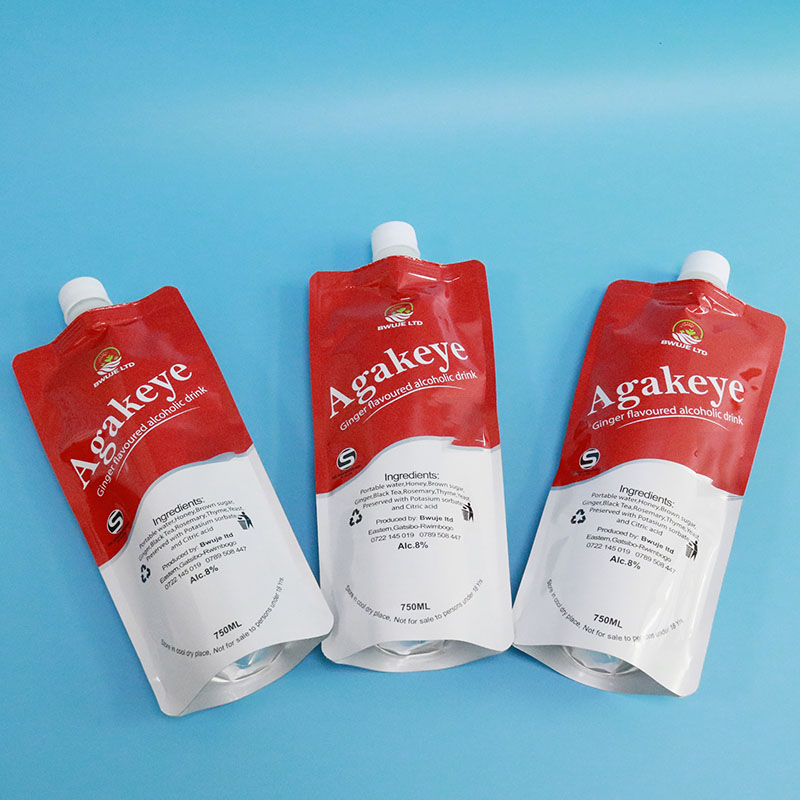
Peak season pressure exposes the cracks in most fulfillment setups. It's one thing to promise capacity, another to keep picking accuracy, shipping speed, and staff morale intact when order volume triples overnight. You need a partner that runs stress tests, cross-trains warehouse teams, and builds flex labor pools before the rush hits—not one scrambling for cardboard boxes on Black Friday.
Look for operators with a track record of absorbing spikes without pushing lead times past your promise dates. Ask how they handle inbound dock congestion, split shipments, and returns overflow. A resilient provider will show you real data from past peaks, not just a confident sales pitch. That's how you keep your brand intact when demand surges.
Leak-Proof Isn't a Nice-to-Have
Water has a way of finding the one seal you didn't check. A lid that mostly works is still a mess waiting to happen, and once liquid seeps into a bag, a car seat, or a stack of folders, the damage is already done. That's why leak-proof design belongs in the same conversation as durability and materials—not as an afterthought.
People often realize this the hard way: a bottle tossed into a gym bag, a lunch container wedged sideways in a backpack, a travel mug knocked over on a desk. The difference between a ruined afternoon and a non-event is whether the closure actually seals under pressure, heat, or a sudden jolt. If a product can't handle those ordinary moments, it hasn't earned the label.
The real test isn't standing a container upright on a shelf. It's upside down in a bag, bouncing on a bike, or left in a hot car for hours. Leak-proof means the contents stay where they belong without constant babysitting—and that's exactly what turns a basic item into one you reach for every day.
Certifications You Can Trace, Not Just Take Their Word For
A certification only means something if you can follow it back to the source. That's why every label we use carries a unique verification number tied directly to the issuing body's public registry. You don't have to ask us whether a claim is real—you can look it up yourself, see the audit date, the scope, and the current status.
This approach filters out the noise. Many badges look impressive but lead nowhere when you dig. Ours are different: scan the QR code on the packaging or enter the ID on the certifier's website, and you'll land on the exact record. No redirects to a marketing page, no dead ends.
We apply this standard to everything from organic certification to fair-trade partnerships. If an auditor hasn't left a traceable paper trail, we won't put their logo on our products. It's that simple.
The Real Cost Behind That 'Low' Unit Price
When suppliers quote a rock-bottom unit price, that number rarely reflects what you will actually pay once orders land. Freight, buffer stock, customs delays, and minimum order quantities quietly push the true per-unit cost higher. Many buyers ignore these variables during sourcing and later wonder why margins vanished.
Low prices often signal corners cut in materials, labor conditions, or quality control. That cheap component may fail in the field, trigger returns, or demand frequent replacements. The savings on paper quickly disappear once warranty claims, inspection rejects, and supplier troubleshooting enter the equation.
There is also the hidden cost of your own team's time. Chasing quotes, clarifying specs, and managing inconsistent output from a cut-rate factory eats hours that never show up on the invoice. A slightly higher unit price from a reliable partner can actually lower total cost by reducing rework, delays, and communication churn.
What Happens When Something Goes Wrong
When an unexpected error occurs, users often see a vague message or the interface simply stops responding. The progress bar freezes halfway, and clicking buttons produces no feedback. This silence is more confusing than a clear failure, because the user doesn't know whether to wait, refresh, or restart.
In more severe cases, unsaved work disappears or the user is abruptly logged out. Sometimes the same error repeats with every action, making the task impossible to complete. At this point, users typically try to fix things themselves by clearing the cache or switching browsers, but these steps rarely help.
On the provider side, the error triggers monitoring alerts, and engineers start digging through logs and stack traces. The fix might involve rolling back a recent update or temporarily disabling a feature. Users are seldom told the specific cause; they usually just get a note saying the team is working on it.
FAQ
Start by requesting samples of their standard films and spouts. Check for clarity, puncture resistance, and how well the seal holds after filling and capping. Ask about barrier properties for oxygen and moisture, especially if your product is sensitive. A reliable supplier will share technical data sheets and be transparent about layer composition.
Focus on food-grade compliance like FDA or EU 10/2011, plus GMP if you're in food or beverage. For kids' products, confirm BPA-free and phthalate-free claims with test reports. If you need organic or kosher claims, ask for those certificates too. A serious supplier should have no problem showing current documentation.
Ask for a documented quality control process, including inline leak testing and batch inspection records. Request references from brands with similar pouch sizes and fill volumes. If possible, arrange a factory audit or a video walkthrough to see how they handle changeovers and defect tracking. Consistency shows up in how they manage small details like cap torque and seal width.
It varies a lot, but many suppliers start around 10,000 to 25,000 units per SKU. If you're testing a new product, ask whether they offer lower trial runs with digital printing or stock pouches. Be wary of suppliers who accept very small orders without discussing setup costs, because hidden fees often appear later.
Request a clear production timeline from artwork approval to delivery, including transit time. Ask about their track record for on-time shipments and how they handle delays. A good supplier will give you a realistic range, not just the best-case scenario, and will communicate proactively if anything changes.
Make sure the spout type matches your cap and filling line. Ask for cap torque specifications and confirm the spout is compatible with your product's viscosity and acidity. Request a fitment test with your actual cap, and if possible, run a small filling trial before full production.
Yes, many now offer recyclable mono-material structures or post-consumer recycled content. Ask about the actual recyclability in your target market, not just marketing claims. Request life cycle data or third-party certifications if sustainability is central to your brand. Also check whether they can reduce material thickness without compromising pouch strength.
Watch for vague answers about material sources, missing certifications, or unwillingness to provide samples before payment. If they can't explain how they handle quality rejects or if communication is slow during the quoting stage, it usually gets worse after you commit. Trust your instinct when a deal feels too cheap or too rushed.
Conclusion
Before you ink a deal, demand to know exactly where the film is sourced. It is not enough for a supplier to say they use "food-grade materials" — ask for the mill name, the resin specs, and whether that source has ever changed without notice. Then test their capacity. A supplier who breezes through samples but stumbles during your peak season will leave you scrambling. Ask for proof of past surges: how many units they shipped in a single month, how they added shifts, and what happened when demand jumped 40%. And never treat leak-proof claims as marketing fluff. Request seal-strength data, drop-test videos, and real-world failure rates. A pouch that opens at the spout or splits at a corner isn't just a return — it's a brand wound.
Certifications should never be a logo on a PDF. Ask for the actual certificate numbers, audit dates, and whether the facility that made your last sample is the same one that will run production. If they hesitate, walk away. On pricing, dig into what that low unit cost excludes: plate charges, freight, testing, warehousing, or rush fees. Cheap film often means you absorb those costs later. Finally, pin down their failure response before you need it. Will they cover replacement product, pay for recalls, or send a corrective action report within 48 hours? A supplier who cannot answer that plainly isn't a partner — they're a bet you don't want to make.
Contact Us
Contact Person: Cindy Lee
Email: [email protected]
Tel/WhatsApp: 8613622669331
Website: https://www.dgkody.com