

SF₆ Load Switches in China: Key Insights and Future Trends
2026-01-16
In the rapidly evolving landscape of China's electrical infrastructure, SF₆ load switches have emerged as a critical component, driving innovation and efficiency in power distribution systems. As we delve into key insights and future trends shaping this sector, it's essential to recognize the pivotal role played by brands like Lugao in advancing technology and setting industry benchmarks. This blog will explore not only the current state of SF₆ load switches in China but also the exciting developments on the horizon, offering a unique perspective that blends technical depth with practical applications. Join us as we uncover how these devices are transforming power management and what lies ahead for this dynamic field.
China's SF₆ Load Switch Market: Current Landscape and Growth Drivers
China's SF₆ load switch market has evolved into a dynamic sector, characterized by a diverse range of products and competitive players. The current landscape is shaped by both domestic manufacturers, who dominate the mid-range segment with cost-effective solutions, and international giants that lead in high-end, technologically advanced offerings. This blend fosters a market environment where innovation is spurred by local demands for reliability in grid infrastructure, yet tempered by stringent environmental regulations. Recent trends indicate a shift towards more compact designs and enhanced safety features, driven by urban development and the need for efficient power distribution in densely populated areas.
Key growth drivers are multifaceted, with government initiatives playing a pivotal role. Policies aimed at modernizing the national grid and expanding renewable energy integration have accelerated demand for SF₆ load switches, which are valued for their durability and insulation properties. Additionally, rising urbanization and industrialization across China create a continuous need for reliable electrical equipment to support infrastructure projects, from residential complexes to industrial parks. This demand is further amplified by the push for smart grid technologies, which require components that can handle increased load capacities while maintaining operational efficiency.
Looking ahead, challenges such as environmental concerns over SF₆ gas emissions may influence market dynamics, but they also present opportunities for innovation in alternative insulating materials. As the market matures, companies are likely to focus on differentiation through advanced monitoring capabilities and compliance with stricter standards. Overall, the market's trajectory seems poised for steady growth, fueled by both foundational upgrades and emerging technological shifts.
Technological Innovations in SF₆ Load Switches: Advancements and Applications
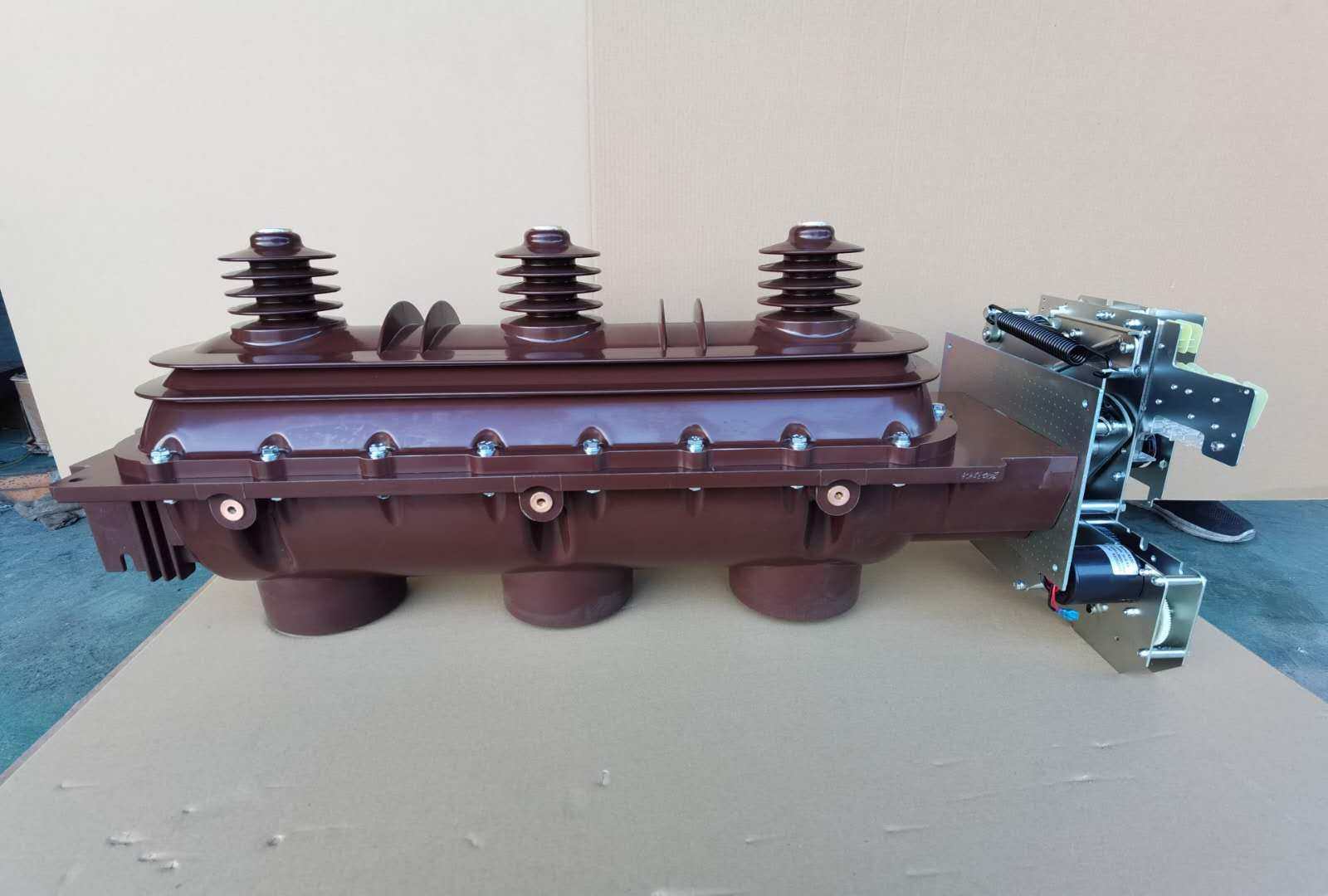
Unlike traditional air-insulated systems, SF₆ load switches leverage sulfur hexafluoride gas for superior arc quenching and insulation, enabling compact designs that save space while enhancing reliability. Recent advancements include integrated sensor technologies for real-time monitoring of gas density and temperature, which helps prevent failures and extend service life. This innovation is particularly valuable in urban substations where footprint constraints demand high-efficiency solutions without compromising safety.
A standout development in this field is the adoption of eco-friendly gas mixtures, reducing reliance on pure SF₆ to mitigate environmental impact. Manufacturers are now blending it with alternatives like nitrogen or fluoroketones, maintaining performance while lowering global warming potential. These modified switches are gaining traction in renewable energy grids, where they manage fluctuating loads from sources like solar farms with minimal maintenance needs.
In practice, modern SF₆ load switches are being applied in smart grid setups to facilitate automated load management and fault isolation. Their robust construction and enhanced sealing mechanisms ensure operability in harsh conditions, from coastal areas to industrial zones. This adaptability makes them a go-to choice for upgrading aging infrastructure, supporting grid resilience and enabling more responsive energy distribution networks worldwide.
Environmental and Regulatory Challenges for SF₆ Usage in Electrical Systems
While sulfur hexafluoride (SF₆) has long been a go-to insulator in electrical systems, its impressive dielectric strength comes with a significant environmental price tag. Often dubbed the 'world's worst greenhouse gas,' SF₆ has a global warming potential over 23,000 times that of carbon dioxide, and its atmospheric lifetime stretches to 3,200 years. This creates a critical dilemma: its efficiency in preventing electrical arcs and ensuring safety directly conflicts with growing climate concerns, especially as leaks from aging equipment or during maintenance release potent emissions that accumulate in the atmosphere with lasting impact.
Regulatory bodies worldwide are stepping up scrutiny, with policies evolving from voluntary guidelines to binding restrictions. For instance, the European Union's F-gas Regulation sets strict phase-down targets, pushing manufacturers toward lower-GWP alternatives, while some U.S. states like California are incorporating SF₆ into greenhouse gas reporting mandates. These measures aren't just about reducing emissions—they're reshaping industry norms, forcing utilities and grid operators to rethink maintenance protocols, invest in leak-detection technologies, and navigate compliance costs that can strain budgets, all while balancing reliability amid the transition.
Beyond compliance, the shift away from SF₆ is sparking innovation, as companies explore gases like eco-friendly mixtures or vacuum-based solutions to cut environmental footprints. However, challenges persist: alternatives often require redesigning equipment or face performance trade-offs in high-voltage applications. This complex interplay of environmental urgency, regulatory pressure, and technical feasibility underscores a pivotal moment in electrical infrastructure, where the quest for sustainability must align with the unwavering need for safe, reliable power distribution.
Emerging Alternatives to SF₆: Exploring Eco-Friendly Switchgear Solutions
As environmental concerns intensify, the search for sustainable alternatives to SF₆ in switchgear has gained momentum, driven by its high global warming potential. Innovations like fluoronitrile-based gas mixtures and compressed air systems are emerging as viable options, offering reduced environmental impact without compromising on insulation and arc-quenching performance. These solutions are being tested in real-world applications, with some already deployed in medium-voltage networks, signaling a shift toward greener electrical infrastructure.
Beyond gases, solid insulation technologies, such as vacuum interrupters and solid dielectric materials, are also gaining traction as eco-friendly contenders. By eliminating greenhouse gas emissions entirely, these systems provide enhanced safety and durability, particularly in harsh environments. Research into hybrid approaches that combine gases with solid components is further expanding the possibilities, aiming to optimize efficiency and cost-effectiveness for diverse industrial settings.
This exploration is not just about replacing SF₆ but reimagining switchgear design for a low-carbon future. With regulatory pressures mounting and sustainability becoming a core business priority, manufacturers are investing in R&D to pioneer solutions that align with global climate goals, ensuring reliable power distribution while minimizing ecological footprints.
Future Outlook: Trends Shaping the SF₆ Load Switch Industry in China
The SF₆ load switch industry in China is poised for significant transformation, driven by evolving energy demands and technological advancements. As the country intensifies its focus on grid modernization and renewable energy integration, manufacturers are increasingly innovating to enhance switch efficiency and reliability. This shift is fostering a competitive landscape where companies differentiate themselves through smart monitoring capabilities and improved safety features, setting the stage for a dynamic market evolution.
Emerging trends include the growing adoption of digitalization and IoT integration in SF₆ load switches, enabling real-time data analytics and predictive maintenance. This not only reduces operational costs but also aligns with China's push toward sustainability by minimizing environmental impacts. Additionally, stricter regulatory standards are prompting a move toward eco-friendly alternatives and advanced materials, reshaping product development strategies across the industry.
Looking ahead, the industry may see a surge in collaborative ventures between domestic firms and international partners, fostering technology transfer and market expansion. These trends collectively signal a future where the SF₆ load switch sector becomes more agile and responsive to global energy challenges, positioning China as a key player in the global electrical equipment arena.
Strategic Insights for Businesses Navigating the Evolving Market Dynamics
In today's fast-paced landscape, businesses must adopt a proactive stance to decode shifting market signals and capitalize on emerging trends. Rather than relying on outdated models, forward-thinking leaders are leveraging real-time data analytics to anticipate disruptions and adapt their strategies swiftly. By fostering a culture of continuous learning and agility, companies can better position themselves to respond to consumer behavior changes, technological advancements, and competitive pressures, turning volatility into a source of innovation and growth.
To navigate this evolving environment effectively, it's crucial for organizations to diversify their investments and embrace cross-functional collaboration. This involves not only refining core offerings but also exploring adjacent markets and partnerships that can buffer against economic uncertainties. By integrating insights from various sectors—such as sustainability practices or digital transformation—businesses can build resilient frameworks that withstand market shocks while seizing new opportunities for expansion and customer engagement.
Ultimately, success hinges on a balanced approach that blends long-term vision with tactical flexibility. Companies that excel in this arena often prioritize stakeholder feedback and iterative testing, allowing them to pivot quickly without losing sight of their foundational goals. This adaptive mindset empowers teams to innovate and deliver value even amid unpredictability, ensuring sustained relevance in a dynamic global economy.
FAQ
In China, SF₆ load switches are widely used in medium-voltage power distribution networks, especially in urban areas and industrial parks, due to their high insulating properties and compact design, enhancing grid reliability and safety.
Environmental regulations in China are increasingly restricting SF₆ use due to its high global warming potential, pushing manufacturers to develop eco-friendly alternatives and retrofit existing systems to reduce emissions.
Recent advancements include integration with smart grid technologies, such as IoT sensors for real-time monitoring and diagnostics, making the switches more efficient and adaptable to modern power systems.
Major players in the Chinese market include domestic firms like XD Group and Chint Group, along with international companies like ABB and Siemens, all competing through innovation and local partnerships.
Challenges include managing SF₆ gas leakage in extreme temperatures and humidity, requiring specialized maintenance protocols and advanced sealing technologies to ensure long-term performance.
Future trends involve a gradual transition to SF₆-free alternatives, like vacuum or solid-insulation switches, driven by green energy policies and the need for more sustainable grid infrastructure.
SF₆ load switches often have higher initial costs due to their complex design, but they offer lower long-term maintenance expenses and better performance in dense urban settings, making them cost-effective in specific applications.
Government policies, such as the 'Made in China 2025' initiative and stricter emission standards, are accelerating the shift towards smarter and more environmentally friendly switchgear, influencing both production and deployment strategies.
Conclusion
The current landscape of China's SF₆ load switch market is characterized by robust growth, primarily driven by rapid urbanization and modernization of electrical infrastructure. Technological innovations have significantly enhanced the reliability and efficiency of these switches, with advancements in insulation and arc-quenching capabilities expanding their applications across various sectors. However, environmental and regulatory challenges are mounting, as SF₆ is a potent greenhouse gas, prompting stricter global and local regulations that pressure the industry to adapt.
In response, the industry is actively exploring eco-friendly alternatives to SF₆, such as dry air or gas mixtures, which could redefine switchgear solutions in the coming years. Looking ahead, future trends in China point toward a gradual shift toward sustainable technologies, supported by government policies and rising environmental awareness. Strategic insights suggest businesses must innovate to navigate these dynamics, balancing performance with sustainability to succeed in this evolving market, ensuring competitiveness while contributing to greener electrical systems.
Contact Us
Contact Person: Doreen
Email: [email protected]
Tel/WhatsApp: 8618057712366
Website: https://www.liugaopower.com/