
Professional High Temperature Defoamer: Advanced Foam Control for Extreme Industrial Conditions
2026-07-18
When extreme heat pushes industrial processes to the breaking point, foam isn’t just an annoyance—it’s a threat to efficiency, safety, and product quality. Standard defoamers buckle under the pressure, leaving operations vulnerable. EVO’s professional high temperature defoamer changes the game, delivering stubborn foam control that holds strong when others fail. Here’s what sets it apart in the world’s toughest conditions.
Taming Foam Under Fire: The Science of Thermal Stability
Firefighting foams are engineered to do more than just smother flames; they must hold their structure when things heat up. The secret lies in thermal stability—a foam’s ability to resist breakdown from high temperatures. Without it, bubbles collapse prematurely, allowing volatile fuels to reignite. Researchers tackle this by tweaking surfactant formulations and incorporating heat-resistant additives, ensuring the foam blanket remains intact even as radiated heat tries to tear it apart.
The real test happens in the fire plume, where convection currents and thermal radiation push foam to its limits. Stable foams rely on a delicate balance between drainage rate and film elasticity. When heat accelerates drainage, the lamellae thin out and pop. By studying how polymer networks reinforce bubble walls and how nanoparticle cross-linkers boost thermal endurance, scientists design foams that stay cohesive longer, denying the fire the oxygen it craves.
Beyond the lab, practical challenges like fuel depth, application method, and nozzle type all interact with thermal dynamics. A foam that performs flawlessly on a shallow gasoline pool might fail on a deep diesel fire if its thermal profile doesn’t match the scenario. Field testing under real heat flux conditions reveals subtle performance gaps, prompting formulations that adapt to varying intensities—making thermal stability the cornerstone of modern suppressant design.
Beyond Conventional Defoamers: A Leap in Extreme Temperature Performance
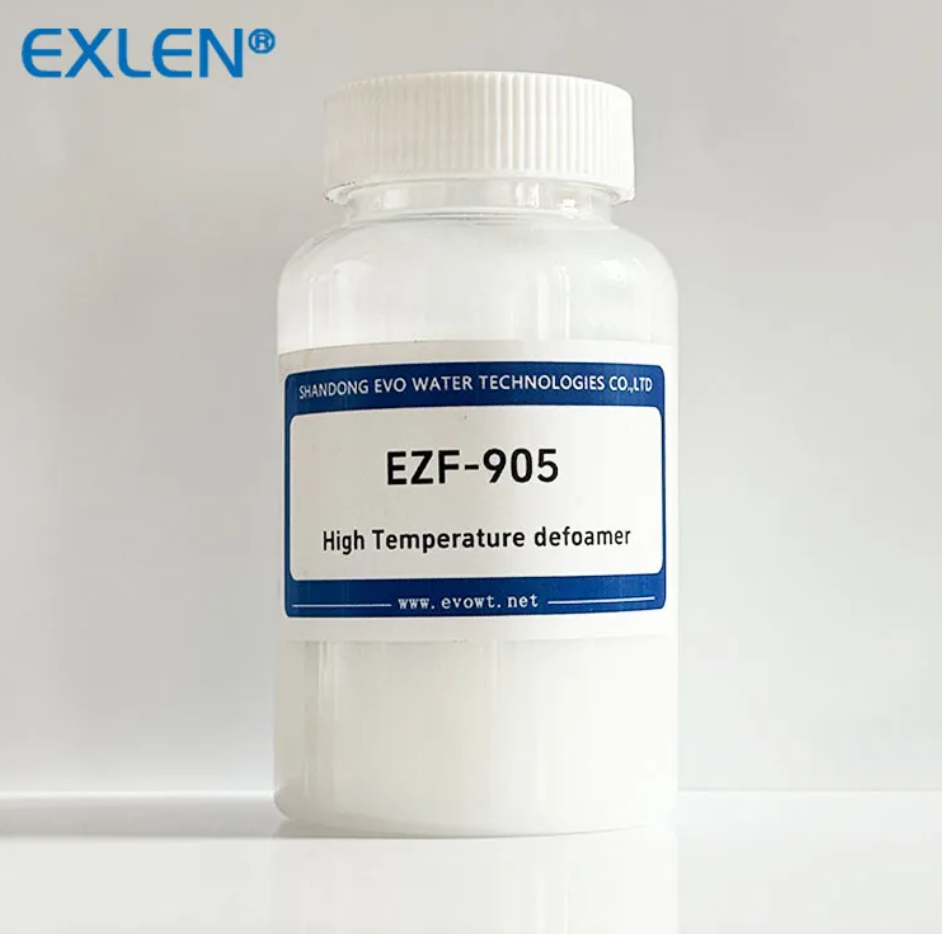
Defoaming agents have long been a staple in industrial processes, but traditional formulations stumble when pushed beyond their comfort zone. At high temperatures, conventional defoamers often break down, lose efficacy, or even cause defects like fisheyes in coatings. This gap has driven a quiet revolution—new chemistries that not only survive but thrive in extremes, from sub-zero cold to blistering heat exceeding 400°F. The leap comes from rethinking the molecular backbone, trading silicone-heavy blends for hybrid or entirely silicone-free structures that resist thermal degradation while maintaining rapid bubble rupture.
What sets these next-generation defoamers apart is their tenacity across a broad thermal spectrum. Instead of relying on a single active component that excels only in a narrow window, they employ smart polymers and surface-modified particles that remain dispersed and effective regardless of temperature swings. In freeze-thaw cycling tests, they prevent phase separation that plagues ordinary defoamers; under prolonged thermal stress, they avoid viscosity breakdown and carbonization. This means a single product can now handle processes that once demanded multiple specialized grades—streamlining inventories and reducing the risk of misapplication.
The practical impact is already being seen in challenging fields like high-temperature lubricants, heat transfer fluids, and extreme-manufacturing coatings. Formulators report not just fewer foam-related failures, but also unexpected gains: better surface quality, less additive buildup, and longer fluid lifetimes. By moving beyond the incremental tweaks of the past and embracing a redesign from the ground up, these defoamers are rewriting the rules for reliability in harsh environments. It’s a leap that transforms a once-fluid afterthought into a strategic advantage, proving that sometimes the biggest breakthroughs come from tackling the toughest conditions head-on.
Precision Anti-Foaming for High-Stakes Industrial Processes
When a reactor foam-over can trigger a safety shutdown or contaminate a batch worth hundreds of thousands, anti-foaming becomes an exact science rather than a commodity chemical afterthought. High-stakes processes—think pharmaceutical hydrogenations, petrochemical delayed cokers, or specialty polymer kettles—demand more than generic silicone emulsions. They require defoamers engineered for narrow compatibility windows, thermal resilience, and split-second knockdown without compromising downstream catalyst activity or final product purity. Getting it right means mapping foam dynamics under real process conditions: shear profiles, dissolved gas saturation, and surface rheology all inform a tailored formulation that outsmarts foam before it forms a problem.
Precision in these environments often hinges on non-silicone technologies—polyalkylene glycols, EO/PO block copolymers, or fluorinated surfactants—selected for their vanishing act under heat or their ability to disperse without leaving residues that foul heat exchangers. In a continuous distillation train, for example, a mistimed anti-foam dose can send entrapped liquid surging into overheads, wrecking column hydraulics. So the delivery matters as much as the chemistry: metered injection quills slotted into turbulent zones, automated feedback loops tied to foam-sensing probes, or staged addition points that pace the defoamer consumption to match a cook cycle’s evolving surface tension. This is where decades of field experience shorten the trial-and-error curve, turning foam control from a fire drill into a predictable process variable.
Beyond the reactor itself, the true test of a precision anti-foaming strategy manifests in unglamorous metrics: fewer filter change-outs, narrower yield fluctuations, and the absence of Monday-morning investigations into off-spec product. When a facility’s licence to operate can hinge on its emission limits, a persistent foam layer in an amine scrubber or a biological aeration basin becomes a regulatory liability. Here, the right anti-foam does double duty—knocking down surface foam while improving mass transfer, so the unit actually works better. That kind of outcome isn’t sold in a drum; it’s co-developed through on-site diagnostics, pilot rig testing, and a willingness to treat every foam challenge as unique, not just another slot on a product data sheet.
Formulated for the Unforgiving: How It Handles Heat, Pressure, and Aggressive Media
When the environment turns hostile, most materials buckle. Not this formulation. It’s built from the molecular level up to laugh at conditions that would shred conventional alternatives. Think of it as a deliberate departure from fragility—a compound that refuses to soften under sustained thermal load, even when neighboring components begin to glow. That’s not marketing fluff; it’s a matter of cross-linked architecture that grows more resolute as the mercury climbs.
Pressure spikes that would collapse hollow fibers or delaminate layered structures barely register here. The secret lies in a homogenous matrix that distributes stress like a liquid, yet holds its shape with the stubbornness of forged metal. It doesn’t creep, it doesn’t yield, and it certainly doesn’t pass that burden downstream to adjoining seals. Run aggressive media through the bore—strong acids, caustic washes, solvent blends that eat lesser polymers for breakfast—and this material just shrugs. The surface passivates without degrading, a trick borrowed from electrochemistry but perfected in a petrochemical lab.
Long-term exposure tests paint a clearer picture. After thousands of hours bathed in corrosive cocktail at temperatures that turn water to superheated steam, the mechanical signatures barely shift. Tensile strength, elongation at break, impact resistance—they all remain stubbornly close to the original values. It’s the kind of reliability that lets engineers stop over-specifying safety factors and start trusting their designs. Harsh doesn’t have to mean short-lived. It just needs the right chemistry from the outset.
Minute Dosages, Massive Impact: Efficiency Meets Cost-Effectiveness
Imagine achieving transformative results with just a single drop. That’s the promise of ultra-concentrated formulations—where a fraction of a traditional dose unlocks outsized performance. By stripping away fillers and harnessing advanced bioavailability technology, these products deliver active ingredients directly where they’re needed, eliminating waste and amplifying every milligram into a powerhouse of efficacy.
This isn’t just clever science; it’s a financial no-brainer. With minute dosages, you slash per-use costs while inventory shrinks and shipping weight plummets. The ripple effect touches everything from manufacturing to storage, turning what was once a bulk commodity into a sleek, sustainable solution that protects both your bottom line and the planet.
For businesses, the appeal goes beyond savings. It redefines customer experience—small, discreet packages that pack a wallop, reducing clutter and routine complexity. The era of “more is better” is over; today, precision and potency drive loyalty, proving that the greatest impacts often come in the smallest packages.
From Petrochemicals to Power Generation: Real-World Endurance Stories
In the sprawling heat of a Gulf Coast refinery, a centrifuge had been spinning for eleven years without a single breakdown. Its secret wasn't some exotic alloy, but a maintenance crew that treated vibration patterns like a doctor reads a heartbeat. When a subtle shift appeared on the spectrum analyzer, they tore the machine down over a weekend, replaced a $40 bearing, and avoided a $2 million unplanned shutdown. That story never made headlines, but it's exactly the kind of victory that keeps lights on and processes humming.
Across the ocean, in a combined-cycle power plant, a gas turbine swallowed dusty desert air for 24,000 hours straight. The operators had tweaked the inlet filtration in ways the OEM never imagined, using layers of coalescing filters and a custom wash schedule born from years of trial. When they finally pulled the hot section for a planned overhaul, the blade coatings were worn but intact. No unplanned downtime. No emergency scrambles. Just a quiet testament to the obsession hidden behind the roar of the turbine hall.
Then there's the fertilizer plant in South Asia that runs on a single steam turbine—no spare, no redundancy. For over a decade, it hasn't missed a crop season because the team built their own reliability framework around that one machine. They log every lube oil sample, argue about micron-level clearances, and keep a weather eye on the governor response curves. When the region's grid flickers or the feedstock composition shifts, the turbine rides through. These aren't lucky breaks. They're real-world endurance stories, written in uptime percentages and parts that outlast their design lives by decades.
FAQ
A high temperature defoamer is a specialized chemical formulation designed to prevent or break down foam in processes operating at elevated temperatures, often exceeding 100°C. It functions by reducing the surface tension of the liquid, causing the foam bubbles to collapse rapidly. These defoamers are engineered with thermally stable components that remain effective and don't degrade even under sustained heat, ensuring consistent foam control in demanding environments like petrochemical refining or high-temperature cleaning systems.
Industries such as oil and gas, chemical manufacturing, wastewater treatment, food processing, and power generation see the biggest advantages. In oil refining, for instance, foam can disrupt the separation of crude oil fractions, while in food processing, high-temperature defoamers prevent boil-overs during syrup concentration. Essentially, any sector involving hot liquids and vigorous mixing where foam could hamper productivity or product quality stands to gain.
The key is thermal stability of the active ingredients, often silicone-based or polyalkylene glycol compounds that resist breakdown. A suitable defoamer will also have a low volatility to avoid evaporating at process temperatures, and it must disperse easily in the foaming medium without causing deposition or fouling on equipment. Compatibility with the process chemistry and the ability to maintain performance over repeated heating cycles are also critical.
Absolutely. Many suppliers offer custom formulations based on factors like the type of foam (surface or entrained), the chemical composition of the process fluid, pH, and temperature range. For example, a defoamer used in amine scrubbing units for natural gas processing can be adjusted to handle the specific hydrocarbon and amine interactions, ensuring it doesn't interfere with downstream reactions or corrosion inhibitors.
Effective defoaming prevents production slowdowns caused by foam overflowing vessels, blocking filters, or disrupting pump operation. It enables higher throughput, reduces downtime for cleaning, and improves heat transfer rates. In distillation columns, unmanaged foam can lead to flooding and lower separation efficiency, so consistent foam control directly translates to energy savings and higher output.
Yes, modern defoamers are formulated with lower volatile organic compound (VOC) content and better biodegradability to minimize environmental impact. Safety-wise, at high temperatures, it's crucial that the defoamer doesn't decompose into flammable or toxic byproducts. Users should always review safety data sheets and ensure compatibility with plant safety protocols, especially in closed systems where vapor buildup could occur.
They should evaluate the defoamer's performance at the specific operating temperature, its long-term stability during thermal cycling, and its compatibility with process chemistry to avoid unwanted side reactions. Ease of handling, such as pumpable viscosity for metered dosing, and a proven track record in similar industrial settings are also important. Requesting field trial data or pilot testing can confirm effectiveness before full-scale adoption.
Conclusion
In the most punishing industrial settings, where temperatures soar and chemical aggression is the norm, standard defoamers simply fail. The Professional High Temperature Defoamer redefines foam control by anchoring its performance in advanced thermal stability—its molecular backbone resists degradation even when flames lick at reactor walls. This isn't just incremental improvement; it's a deliberate leap beyond conventional silicone emulsions or polyglycols, engineered to maintain collapse efficiency from ambient to extreme heat. By targeting the root physics of foam nucleation, it interrupts bubble formation with laser precision, safeguarding catalyst beds, distillation trays, and heat exchanger surfaces from the chaos of uncontrolled froth. The result is uninterrupted throughput in high-stakes processes where a single foam event can trigger costly shutdowns or safety risks.
Yet what truly sets this defoamer apart is its resilience under multi-directional stress. It thrives where heat, pressure, and corrosive media conspire—staying fully active in acidic crudes, caustic scrubbers, or high-shear pumping loops. Field data from petrochemical crackers to gas-fired power plants reveal that minute dosages, often a fraction of traditional requirements, deliver complete knockdown and sustained suppression. This efficiency translates directly into operational savings: lower chemical consumption, reduced waste treatment, and fewer interventions. More than a product, it's a quiet workhorse that embeds reliability into the harshest corners of industry, turning foam from a constant threat into an afterthought.
Contact Us
Contact Person: Fiona Su
Email: [email protected]
Tel/WhatsApp: 8619963724144
Website: https://www.evo-chemical.com/