
Private Label ADA Sign Material Supplier: Custom Branded Solutions for Compliant Signage
2026-07-08
When it comes to ADA-compliant signage, the materials you choose can make or break both durability and design. That’s where LYSHIRE steps in—not just as a supplier, but as a partner in crafting custom branded solutions that meet every regulation without sacrificing style. Whether you’re outfitting a healthcare facility, corporate campus, or hospitality space, discover how private label ADA sign materials can seamlessly blend compliance with your unique brand identity.
Why Generic ADA Signs Won’t Cut It Anymore
Generic ADA signs often miss the mark because they treat compliance as a one-size-fits-all checklist. Bland, mass-produced plaques may meet the bare minimum for raised characters and Braille, but they fail to consider the actual environment. In a bustling hospital corridor, a tiny sign with low contrast becomes invisible to someone with low vision. In a modern office, a clunky institutional sign cheapens the interior design. The problem isn’t the rules—it’s the lazy execution that stops at the letter of the law and forgets the spirit: equal access.
Real accessibility requires more than a standard template. Space layouts differ, lighting conditions shift, and user needs vary wildly. A sign that works in a quiet library may be useless in a sun-drenched lobby. Custom solutions take these factors into account—choosing matte finishes to kill glare, adjusting font weights for better legibility, or integrating tactile elements that feel intuitive rather than tacked on. When you prioritize the actual user experience, the result is signage that feels less like a legal obligation and more like a natural part of the built world.
There’s also a hidden cost to sticking with generic options. Non-compliance lawsuits are a real threat, but beyond that, poorly designed signs can quietly erode a brand’s reputation. When visitors struggle to navigate, they don’t blame the sign code—they blame the business. Investing in tailored ADA signage isn’t about being flashy; it’s about signaling that you’ve thought beyond the minimum, creating spaces where everyone belongs without having to squint or guess their way around.
The Hidden Power of Custom Branded Materials
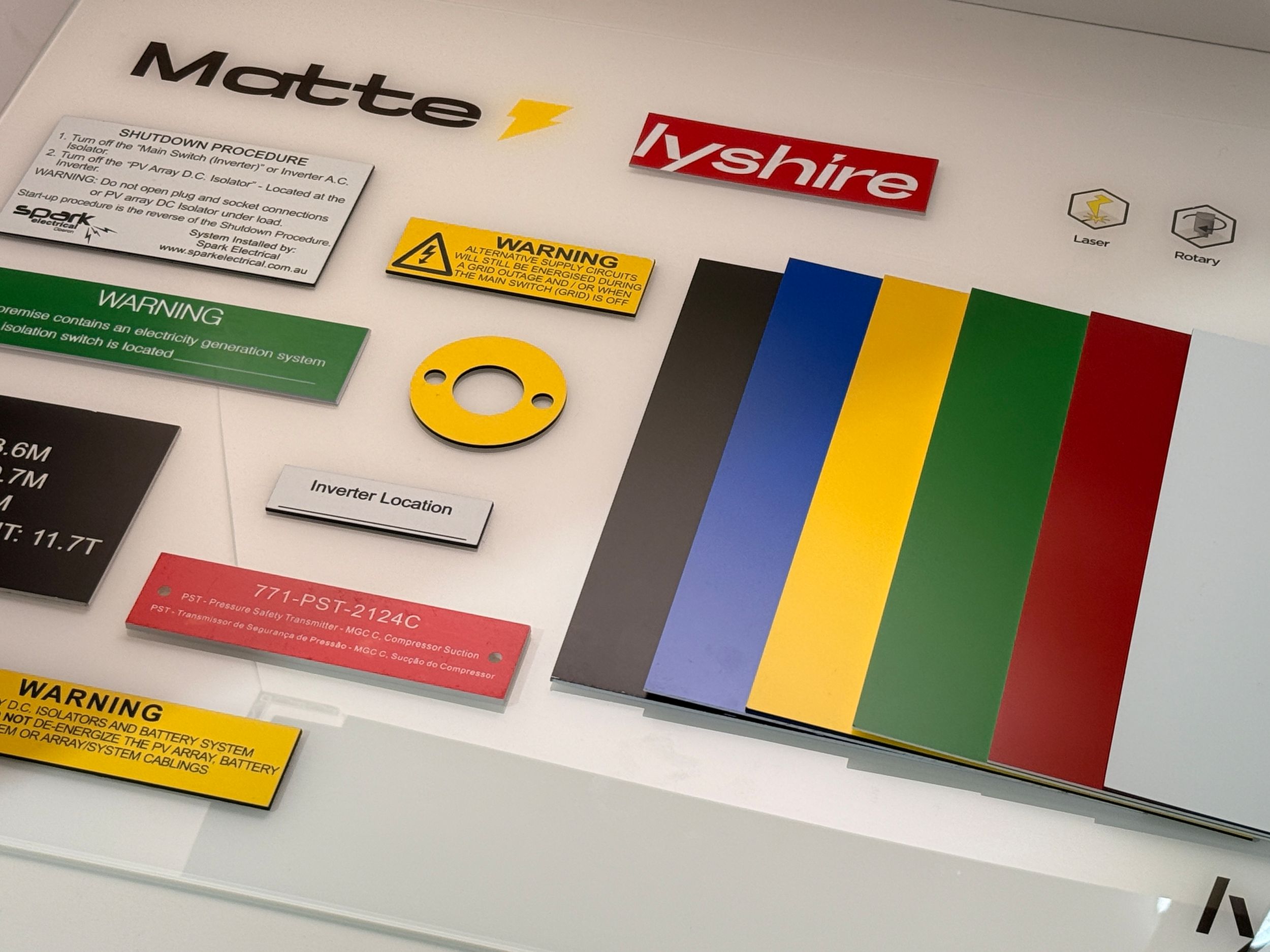
Custom branded materials do more than just display a logo. They weave your identity into the daily lives of your audience, creating a subtle yet persistent presence that fosters familiarity and trust.
Unlike fleeting digital ads, a well-designed notebook or a thoughtfully crafted pen stays with your client, reminding them of your services every time they jot down a note. It’s this tangible, repeated exposure that quietly builds loyalty.
The real magic lies in the unspoken message: you care enough to provide something useful and lasting. That gesture transforms a simple item into a silent ambassador for your brand, speaking volumes without a word.
How We Turn Your Logo Into Compliant Art
Your logo carries the essence of your brand, but transforming it into a compliant artwork demands more than just a high-resolution file. We start by carefully analyzing every component—colors, lines, text, and spacing—against the specific guidelines of your target industry. Whether it’s for safety signage, corporate branding manuals, or regulatory submissions, we identify potential issues early, such as incompatible color profiles or delicate details that might get lost in reproduction. This proactive approach saves you from costly rejections and ensures your logo’s integrity remains intact across all applications.
Once we’ve mapped out the requirements, our designers meticulously rebuild your logo using vector-based tools to guarantee flawless scalability without pixelation. We adjust line weights, simplify complex elements where necessary, and convert fonts to outlines—all while preserving the original look and feel. For printed materials, we double-check contrast ratios and color separations to meet accessibility standards; for digital use, we optimize file formats and resolutions to ensure crisp display on any screen. Every decision is documented, so you’ll have a clear trail of how your logo evolved from concept to compliant asset.
The final step is validation. We don’t just hand over a file and hope for the best—we test your artwork in real-world scenarios, simulating how it will appear on different substrates, under various lighting conditions, or alongside other required elements. If anything falls short, we refine it until it’s perfect. You’ll receive a ready-to-use package with all necessary formats, style guides, and compliance notes, giving you the confidence that your logo will never cause a hold-up, no matter where it ends up.
Unlocking Durability Without Sacrificing Design
Durability and design have often been seen as opposing forces. We challenge that notion by integrating robust materials into sleek forms. From impact-resistant polymers to scratch-proof finishes, every element is engineered to endure without adding bulk. The result? Products that feel refined yet handle daily wear with ease, blending seamlessly into modern living spaces.
Attention to structural detail is where the magic happens. Hidden reinforcements, precision joins, and clever internal architecture let us maintain clean lines and slim profiles. You won’t see the engineering that absorbs shock or resists moisture—it’s subtly built in. This means you get a visually striking object that stays in top condition, no matter how you use it.
Design shouldn’t come with a maintenance manual. Our approach uses surfaces that repel stains, fend off fading, and stay smooth to the touch over time. By selecting materials that age gracefully, we ensure that long-lasting quality becomes part of the aesthetic. The item you love today will look just as good years from now, never making you choose between lasting strength and beautiful form.
The One Supply Chain Shortcut You Didn’t See Coming
Most companies chase efficiency by adding more steps—more checks, more software, more layers of approval. But the real shortcut is subtraction. A warehouse manager we worked with cut delivery times by 30% simply by removing a redundant quality check that had been grandfathered in from a decade-old process. No new tech, no extra hires. The moment they stopped doing what didn’t need to be done, the entire chain unclogged. It’s the kind of shortcut that hides in plain sight, because we’re conditioned to believe improvement means more, not less.
The wild part is how often this applies. One raw-materials buyer started bypassing a central distribution hub and routing directly to regional centers, avoiding two days of transit and a mountain of paperwork. It wasn’t a system upgrade—it was a conversation. A few phone calls reshaped their supply geography more than any algorithm could. These shortcuts emerge when someone finally questions the ‘why’ behind every leg of the journey, especially the ones everyone assumes are non-negotiable.
If you’re hunting for your own unexpected shortcut, stop looking at dashboards. Walk the floor, sit with the dispatchers, and ask what makes them roll their eyes. The answer is usually the shortcut—buried under habit, waiting for someone to notice.
From Boring to Brilliant: Rethinking Regulatory Signage
Walk through any public space and you'll find them—those faded, text-heavy signs that blur into the background. They drone on about rules and warnings, yet somehow fail to catch the eye or stick in memory. Most of us barely register their presence, let alone the message they aim to convey. It doesn't have to be this way. When we strip back the clutter and zero in on what truly matters, even a simple caution sign can become a moment of clarity. The shift from forgettable to impactful starts with empathy: understanding the hurried, distracted human on the other side of the sign. What would make them pause, think, and act? Often it's a dash of personality, a visual metaphor, or a direct, friendly tone that cuts through the noise.
Rethinking regulatory signage means breaking free from rigid templates and speaking like a human, not a bureaucrat. Instead of shouting “PROHIBITED,” imagine a sign that says “Please keep off the grass—under it lie wildflower seeds that bloom for everyone.” Suddenly, a restriction feels like an invitation to care for the space. Colour psychology, custom illustrations, and playful textures inject life into what was once bland and institutional. It's not about undermining seriousness; a fire exit sign must still be unmistakable. But even that can be designed with clarity and elegance, using universally understood icons and high-contrast hues that guide safely, not aggressively. The goal is to build trust, not just enforce rules.
The beauty of this approach lies in its subtle influence. When signage respects the intelligence of its audience, compliance becomes a choice rather than an imposition. A well-crafted sign acts like a quiet conversation, aligning the need for order with a genuine desire to help. Think of a construction site notice that explains not just the danger but the exciting project taking shape behind the barrier—“We’re building your new library, please bear with our noise.” That small shift turns a nuisance into a shared community moment. Ultimately, brilliant regulatory signage does more than convey information; it shapes behaviour by appealing to our better nature, making each public encounter a little less drab and a lot more human.
FAQ
We supply compliant sign materials that you can brand as your own, from photopolymer substrates to tactile lettering components, all ready for customization.
Our materials are rigorously tested for tactile readability, contrast, and finish, adhering to ADA guidelines so you can confidently offer compliant signage to your clients.
Absolutely. We offer custom color matching, thickness options, and the ability to incorporate your logo or design elements directly into the material make-up.
Signage manufacturers, architectural firms, and facility managers find our solution ideal for maintaining brand consistency while meeting legal accessibility requirements.
We keep things flexible—whether you need a small batch for a pilot project or bulk orders for enterprise rollout, we accommodate your scale without fuss.
Quick turnaround is part of our promise. We can usually get a physical sample into your hands within a week, so you can assess quality before full production.
We focus on delivering premium materials, but we can connect you with trusted installers who are familiar with ADA sign mounting and compliance requirements.
Instead of generic products, you get exclusive rights to custom-formulated materials that carry your brand name, giving you a unique edge in a competitive compliance market.
Conclusion
Generic ADA signs no longer meet the demands of today’s market—they lack personality, blend into the background, and fail to reflect a business’s unique identity. As a private label ADA sign material supplier, we bridge the gap between compliance and branding, offering custom solutions that transform mandatory signage into a seamless extension of your visual identity. By embedding your logo, color palette, and design language directly into tactile and braille-compliant materials, we turn regulatory necessities into subtle yet powerful brand touchpoints.
Our approach goes beyond aesthetics. We engineer materials that unlock exceptional durability without compromising design flexibility, ensuring signs withstand heavy use while maintaining crisp, high-contrast visuals. Through a streamlined supply chain process often overlooked in the industry, we reduce lead times and eliminate unnecessary complexity, making custom branded ADA signage surprisingly accessible. The result is a shift from boring, institutional-looking signs to brilliant, memorable elements that reinforce brand presence in every space—proving that compliance doesn’t have to be dull, and that the right material partner can turn a requirement into a competitive advantage.
Contact Us
Contact Person: Tina Hou
Email: [email protected]
Tel/WhatsApp: +86 17816238685
Website: https://www.lyshire.com