
OEM Conveyor Roller Supplier: Key to Seamless Material Handling
2026-07-05
In the fast-paced world of material handling, the quiet workhorses driving efficiency are often overlooked—until they fail. That’s where a trusted OEM conveyor roller supplier like XAN steps in, delivering precision-engineered rollers that keep operations humming. Whether you're battling downtime or seeking smoother logistics, the right partner makes all the difference. Dive into how choosing a specialized supplier transforms your conveyor systems from a weak link into a seamless strength.
The Hidden Backbone of Efficient Material Flow
Walk through any distribution center and the first thing you notice is the quiet hum of belts gliding overhead, carrying cartons toward distant chutes. It all looks routine, yet behind that steady rhythm is a choreography that rarely gets credit. Facility layouts, merge points, and lift mechanisms are designed so that every inch of travel serves a purpose, slashing wasted motion without a single memo being passed.
The real magic isn’t in the hardware alone but in how it listens. Sensors scattered along the line feed data back to controllers that adjust speed, gapping, and divert timing on the fly. When a jam threatens on lane four, the system doesn’t wait for a human alert—it reroutes around the trouble, often so smoothly that upstream operators never know anything went wrong. That kind of reactive intelligence is what keeps throughput climbing even on the worst days.
Where this backbone truly proves its worth is at the intersection of machines and manual work. Ergonomically placed pick stations, illuminated put walls, and directed replenishment signals don’t just move goods—they shape the pace and precision of the people alongside them. The result is a flow that feels effortless, though anyone who has tried running a facility without it can tell you how quickly chaos replaces that calm.
Tailored Roller Solutions That Match Your Exact Specifications
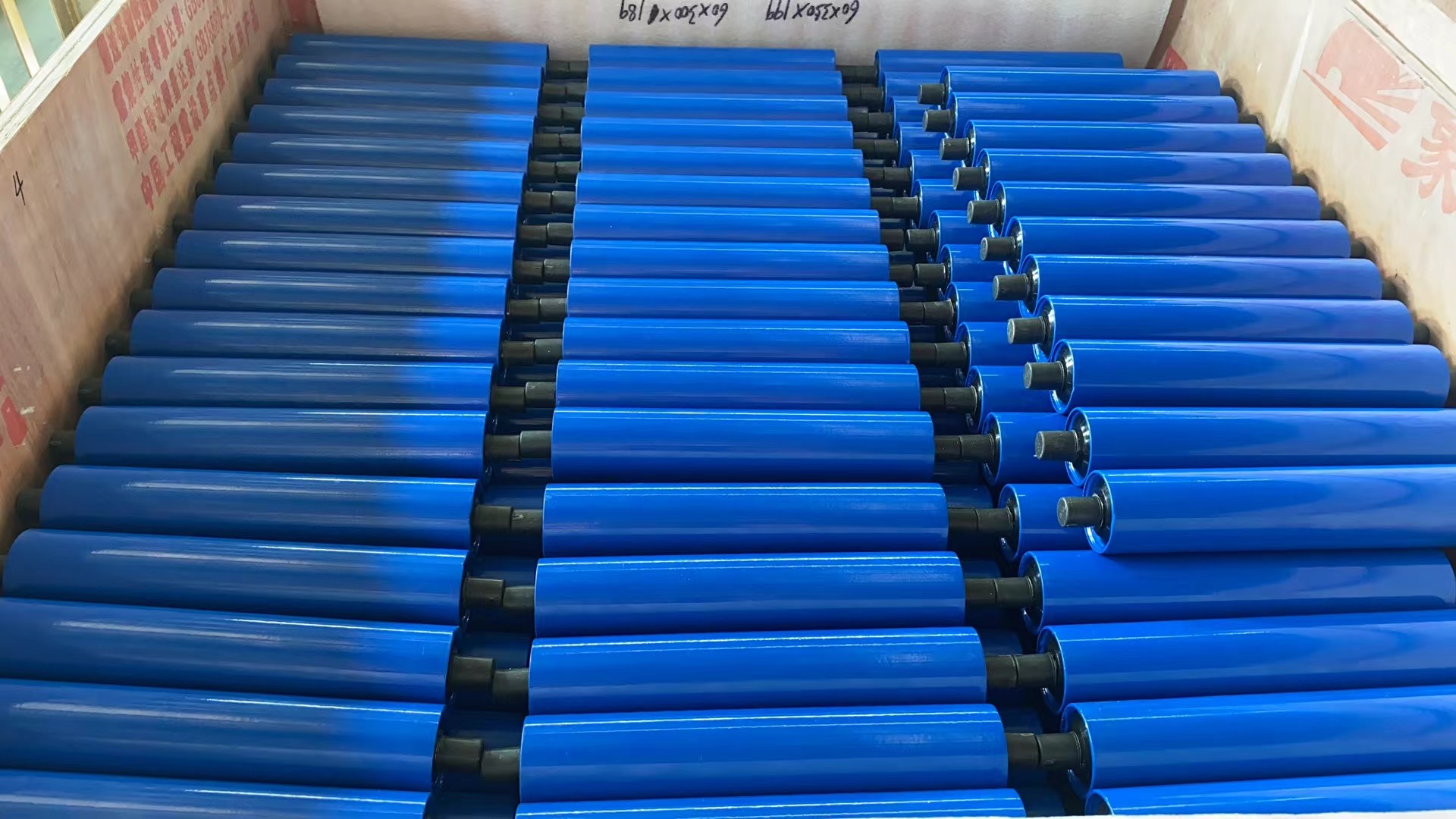
Every production line carries its own set of demands, and off-the-shelf rollers rarely keep up. We start by listening to what you actually need—load capacities, environmental extremes, surface finishes, or even niche dimensional constraints—then design rollers that drop right into your process without forcing you to adapt around them.
Our engineering team treats tolerances as a starting point, not an afterthought. Whether it’s a high-temperature coating that resists chemical washdowns or a carefully balanced core for high-speed rotation, the materials and geometries are chosen to behave predictably under your specific conditions. The goal is simple: a roller that doesn’t just fit on paper but runs smoothly from the first minute.
Because we keep the entire consultation, design, and manufacturing cycle in-house, revisions happen in days, not weeks. That means you see the final product faster and with fewer compromises—a custom solution that genuinely matches your operating reality rather than a catalog number with a few tweaks.
Why Precision Engineering Sets Apart a Reliable Supplier
Precision engineering goes beyond mere accuracy—it weaves dependability into every stage of production. A supplier that invests in advanced machining, rigorous quality checks, and error-proofing processes signals a deeper commitment to consistency. This means each component arrives within the tightest tolerances, eliminating costly rework and assembly surprises. When the focus is on getting it right the first time, trust becomes a measurable output, not just a promise.
What truly distinguishes a reliable partner is how they handle complexity. Intricate geometries, exotic materials, or demanding surface finishes are not treated as exceptions but as standard challenges. By integrating design for manufacturability early on, potential issues are flagged before they become shop-floor bottlenecks. This proactive approach shortens lead times and ensures scalability, so even high-volume orders maintain the same level of precision without drifting.
Beyond the shop floor, precision engineering shapes the entire customer experience. Clear communication about feasibility, real-time tracking of critical dimensions, and transparent reporting build a foundation of confidence. When a supplier consistently delivers parts that fit flawlessly and perform reliably over time, they stop being just a vendor and become an integral extension of your team. It’s that seamless fusion of exactitude and accountability that sets the exceptional apart from the merely adequate.
Sustaining Uptime with Durable, Low-Maintenance Rollers
Every minute of unplanned downtime chips away at productivity and profitability. That’s why durable, low-maintenance rollers are such a game-changer—they keep conveyor systems running smoothly without constant attention. Engineered with wear-resistant materials and sealed-for-life bearings, these rollers laugh off dust, debris, and heavy loads that would wear down ordinary components. The result is a steady, reliable flow of materials that doesn’t flinch under real-world conditions.
What really sets them apart is how they simplify daily operations. Instead of greasing fittings, swapping out worn bearings, or dealing with jams during peak hours, maintenance teams can focus on higher-value tasks. The rollers essentially take care of themselves, shrugging off the friction and impact that normally escalate repair costs. Over time, the savings from reduced labor and spare parts add up, but the bigger win is the consistency—fewer interruptions mean hitting throughput targets without those frustrating stops and starts.
Most important, this isn’t about over-engineering for the sake of it; it’s about matching the roller design to the actual demands of the job. Whether it’s a gritty mining operation or a fast-paced packaging line, the right roller choice quietly prevents the headaches managers lose sleep over. By keeping things moving with minimal input, durable, low-maintenance rollers create a foundation where uptime isn’t just a goal—it’s the standard your operation runs on.
From Standard to Bespoke: Versatility That Drives Productivity
Standard solutions often hit a ceiling when tasks demand nuance. Our platform sidesteps that limitation by letting you reshape workflows as easily as you refine a sketch. Need a dashboard that mirrors a unique sales cycle, or an approval chain that adapts to seasonal spikes? The interface bends without breaking, turning rigid procedures into fluid processes that actually make sense for your team.
This chameleon-like adaptability doesn't just accommodate quirks—it unlocks speed. When you're not wrestling with workarounds, the mundane becomes mechanical, and the complex becomes clear. Teams stop inventing makeshift fixes and start moving with a rhythm that's entirely their own. The result isn't just configured software; it's an environment that breathes with your business, reshaping itself as goals shift and markets pivot.
Future-Proofing Your Conveyor Systems with Smart Design
To stay competitive in fast-evolving industries, conveyor systems need to do more than just move materials—they must be designed to adapt. Smart design means building in flexibility from the start: modular components that can be reconfigured as production lines shift, scalable controls that integrate with IoT sensors, and energy-efficient drives that reduce long-term costs. By prioritizing adaptability, you avoid costly overhauls and keep operations running smoothly no matter what the future brings.
A forward-thinking approach also emphasizes predictive maintenance and data-driven insights. Embedding condition-monitoring sensors directly into rollers, belts, and motors lets you catch wear before it causes downtime. Real-time analytics platforms transform raw data into actionable alerts, giving maintenance teams the power to schedule interventions precisely when needed. This not only extends equipment lifespan but also ensures that your conveyor system evolves alongside your automation goals.
Finally, material selection plays an underrated role in future-proofing. High-wear components made from advanced polymers or coated metals resist corrosion and abrasion, while lightweight framing eases reconfiguration. Pair these with open-architecture software that can speak to newer MES and ERP systems, and you create a conveyor backbone that’s ready to support emerging technologies like autonomous mobile robots or AI-driven sorting—without a complete rebuild.
FAQ
An OEM supplier provides rollers specifically engineered to match your system's dimensions and load requirements, eliminating compatibility issues and reducing downtime. They use precise bearing fits and material grades that generic alternatives often overlook, so your operation runs smoother with fewer interruptions.
Unlike off-the-shelf rollers, OEM rollers are built to exact tolerances using the manufacturer's original specs. This means better alignment, less vibration, and longer service life—particularly important when you're moving heavy or abrasive materials around the clock.
Absolutely. While the upfront price might be slightly higher, custom-fit rollers slash maintenance calls and energy consumption. You also avoid the hidden costs of premature failures that disrupt production schedules and strain other components.
Focus on their engineering support, turnaround times, and material traceability. A good partner will review your application, suggest improvements, and deliver consistently—even for small batches or urgent replacements.
Rollers are the backbone of any conveyor line. If they're out of round or poorly sealed, you'll face belt mistracking, spillage, and frequent jams. Quality rollers keep the line humming and product flowing without constant babysitting.
Yes. Precision rollers reduce friction, which cuts power usage. They also last longer, meaning you're replacing and disposing of fewer components over time. Some suppliers even use recycled materials and eco-friendly coatings.
The best suppliers keep common dimensions in stock and offer rapid production of custom sizes. Many can ship within 24–48 hours for emergencies, minimizing paralysis on your line.
Conclusion
In the world of material handling, conveyor rollers are the unsung heroes that keep operations flowing smoothly. A dependable OEM conveyor roller supplier does more than just deliver components—they become the hidden backbone of efficient material flow, ensuring that every turn of the roller is perfectly aligned with your system’s demands. By offering tailored roller solutions that match exact specifications, from diameter to bearing type, such a supplier eliminates the guesswork and costly retrofits. Precision engineering is what sets them apart: tight tolerances, superior materials, and rigorous testing mean that every roller meets the unique stresses of your application, whether it’s high-speed sorting or heavy-load transport.
But true value goes beyond the initial fit. Durable, low-maintenance rollers sustain uptime by resisting wear and minimizing lubrication needs, which keeps maintenance crews focused elsewhere. The versatility to move from standard catalogue items to fully bespoke designs drives productivity across diverse industries—food processing, logistics, mining—without forcing you to compromise on performance. Perhaps most critically, forward-thinking OEM suppliers future-proof your conveyor systems with smart design choices: noise-reducing features, energy-efficient bearings, and modular adaptability that anticipates tomorrow’s throughput demands. In an era where every minute of downtime counts, partnering with the right roller manufacturer isn’t just a procurement decision; it’s a strategic move that underpins seamless, uninterrupted material handling year after year.
Contact Us
Contact Person: Anna Lu
Email: [email protected]
Tel/WhatsApp: 8618561668850
Website: https://www.x-conveyor.com