

OEM Aluminum Tumbler Manufacturer: Your Guide to Custom Branded Drinkware
2026-07-19
Imagine your logo etched onto a sleek, durable tumbler that customers reach for every morning. That’s the power of custom branded drinkware—a walking billboard for your brand. At APEXAL, we don’t just stamp logos on metal; we engineer premium OEM aluminum tumblers that combine style, insulation, and sustainability. Whether you’re launching a corporate gift or a retail line, the right manufacturing partner turns a simple cup into a brand experience. Here’s what to look for when choosing a tumbler factory that truly understands your vision.
More Than a Cup: The Rise of Aluminum Tumblers in Branding
These days, it’s hard to walk into a café, attend a corporate event, or scroll through Instagram without spotting a sleek aluminum tumbler. What was once a simple hydration tool has quietly morphed into a walking billboard — a piece of everyday carry that speaks volumes about the brand it represents and the person holding it.
Companies have caught on quickly. Instead of handing out generic plastic cups at conferences, they’re investing in well-crafted aluminum tumblers that blend practicality with visual appeal. The brushed metal finish, the weight in your hand, the way ice clinks softly inside — it all adds up to an experience that feels premium, even if the branding is subtle. It’s not about shouting a logo anymore; it’s about embedding into someone’s daily ritual, from the first sip of coffee to that afternoon desk-side refill.
The appeal goes beyond logos and color palettes. These tumblers tap into a deeper desire for durability and sustainability, making them a savvy choice for brands that want to align themselves with mindful consumption. They rarely end up in a landfill after one use — they stick around in cup holders, gym bags, and kitchen cabinets, silently reinforcing the brand each time they’re filled up. In a world full of digital noise, there’s something refreshingly personal about winning space in someone’s real-life routine.
How to Spot a Reliable OEM Aluminum Tumbler Manufacturer
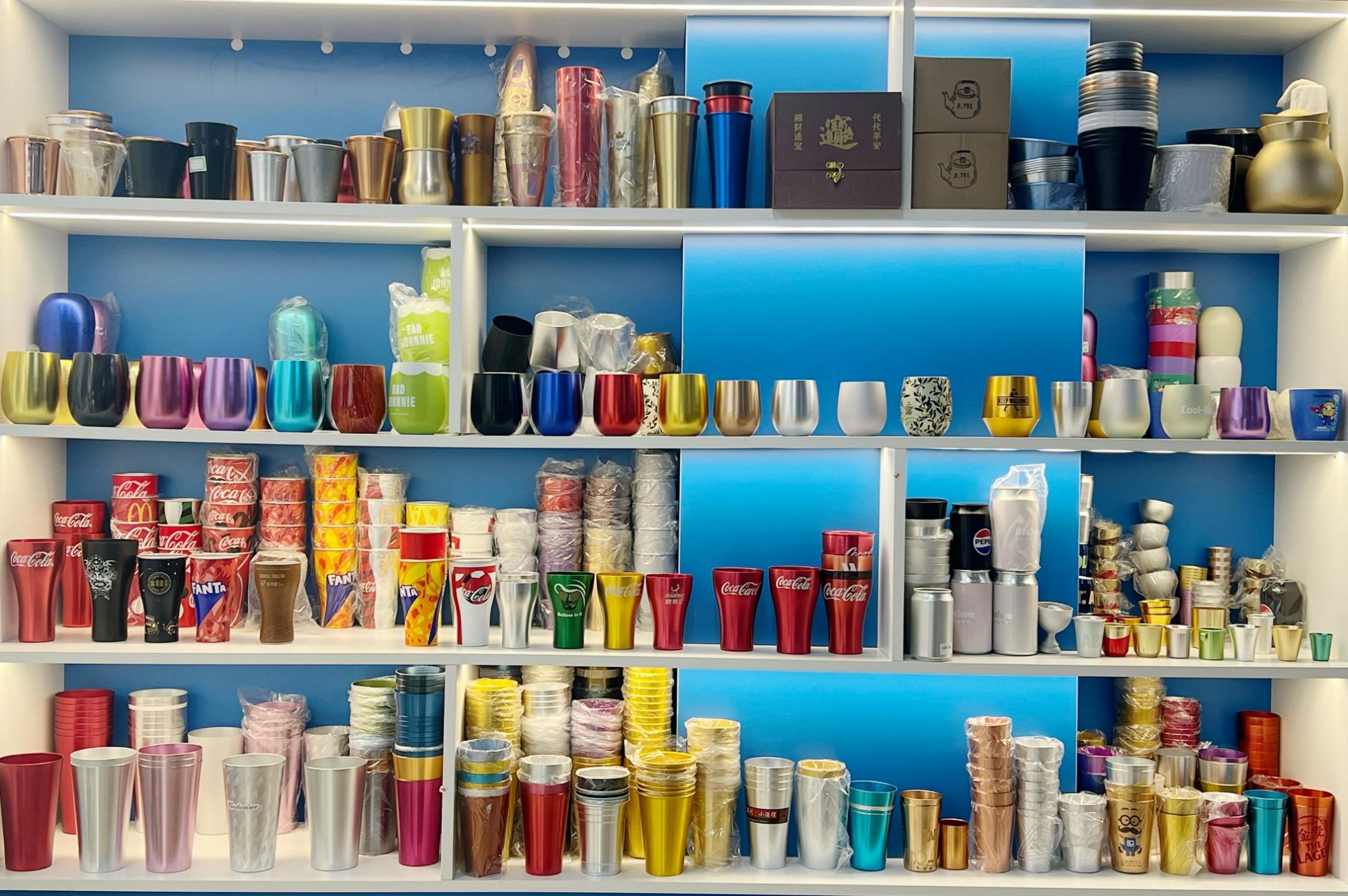
When you’re sourcing aluminum tumblers for your brand, the first thing to look for isn’t a glossy catalog — it’s material transparency. A trustworthy manufacturer will openly share the grade of aluminum they use (typically 3003 or 6061) and explain how it affects durability and insulation. They won’t hide behind vague terms like ‘premium alloy.’ Ask for mill certificates or raw material test reports. If they hesitate, take that as a red flag. Beyond that, check how they handle coatings and linings. Reliable partners use food-grade, BPA-free internal coatings and will supply compliance documents without you having to chase them down.
Manufacturing capability is another honesty test. Visit their facility if possible — or request a detailed video walkthrough. You want to see fully automatic production lines, not just a few hand-operated trimming machines. Pay attention to their quality control stations: do they have dedicated areas for leak testing, vacuum insulation testing, and surface inspection? A dependable manufacturer also has in-house mold-making and printing departments, which means they control the entire process, not just assemble parts from different suppliers. If they only show final products but never the production floor, keep searching.
Finally, don’t overlook how they handle communication before you’ve placed an order. A reliable OEM will ask detailed questions about your target market, usage scenarios, and design intent — they’re genuinely interested in your product’s success. They’ll provide an honest timeline, not just the one you want to hear, and will flag potential design issues before sampling, like a lid shape that may leak or a coating that won’t hold up to repeated washing. Look for a partner who offers a fair minimum order quantity that aligns with your business stage, not one that pushes you into a massive run just to clear their inventory. True reliability shows up long before the first shipment leaves the dock.
Making It Yours: Customization Options That Go Beyond the Logo
Branding isn't just about slapping a logo onto a product. The real magic happens when every detail reflects your team's personality. From the stitching on a cap to the texture of a notebook cover, the smallest tweaks can turn a generic item into something that feels exclusively yours. Whether you want bold, all-over prints or subtle embossed monograms, the goal is to create a tactile and visual connection that resonates long after the first glance.
Think beyond colors and fonts. How about incorporating functional elements that match your workflow? Custom pocket placements, reinforced stress points, or even hidden compartments can make a piece of gear work harder for your specific needs. These aren't just cosmetic changes—they're thoughtful upgrades that show your crew you pay attention to how they actually use their everyday carry.
And it doesn't stop at the product itself. Unboxing should feel like an event. Custom packaging, handwritten-style notes, or a unique closure system can turn a simple delivery into a memorable experience. When every touchpoint is considered, the result isn't just merchandise—it's a statement of identity that sticks with people.
What Happens After You Place an Order: The Production Timeline
Once you've confirmed your order, a notification lands in our production queue. This isn't some automated black box—it's the starting gun for the work we do best. Within the first few hours, your design files are reviewed by an actual human who checks for any missing details that could slow things down. If everything looks solid, materials are pulled from inventory and assigned to your project. It's not glamorous, but this quiet prep stage is what keeps the timeline tight and the quality consistent.
The bulk of the timeline lives in the production phase, where things get physical. Depending on the complexity of your order, this can span from a couple of days to a week or more. We don't rush the processes that matter—inks need to cure, coatings need to set, and every piece gets handled like it's the only one in the shop. You won't get a dozen emails at this stage, because real work is happening, not paperwork. Just know that your order is moving forward, one step at a time, on the machines and benches of people who actually care about the output.
Before anything leaves our facility, it passes through a final check that's more than a box-ticking exercise. We look at finish, alignment, and overall feel—the kind of details that don't show up on a spec sheet. If it meets the mark, packaging happens right away, and shipment details follow soon after. The entire timeline, from click to delivery, is built around the idea that you shouldn't have to chase updates or wonder if things are on track. We'd rather put that energy into making sure the product in your hands is exactly what you expected.
Cost vs. Value: Getting the Most from Your Tumbler Investment
A premium tumbler might sting a little at the checkout, but that upfront cost often fades into the background once you experience the day-to-day benefits. Cheaper options tend to lose their insulation properties within months, start leaking, or develop lingering odors that no amount of scrubbing can fix. A well-built tumbler, on the other hand, keeps drinks hot or cold for hours longer, survives drops and bumps without denting, and cleans up easily—meaning you'll replace it far less frequently. When you spread that cost over years of reliable use, the math tilts heavily in favor of spending a bit more now.
Beyond durability, practical features amplify the value in ways a price tag alone can’t convey. An ergonomic shape that fits your car’s cup holder, a lid that locks securely yet opens one-handed, or a wide mouth that accommodates ice cubes and simplifies cleaning all contribute to daily satisfaction. These details transform a simple container into something you reach for automatically, reducing the impulse to buy disposable bottles or coffee shop cups just because your tumbler is a hassle to use. Over time, those unplanned purchases add up far beyond the tumbler’s initial price.
Think about how your tumbler fits into your routine throughout the year. A model that excels in both heat retention for winter commutes and cold insulation for summer workouts eliminates the need for multiple bottles cluttering your cabinets. If it stays odor-free after holding tea, smoothies, and black coffee in rotation, you save time on maintenance and avoid the frustration of a sour-smelling lid. The real value surfaces when the tumbler quietly handles everything you throw at it without demanding extra care, letting you focus on what you’re drinking rather than the tool you’re drinking from.
Building a Brand That Lasts: The Role of Quality Drinkware
The first sip from a well-made mug or bottle can define a person's entire perception of a brand. It’s not just about utility—it's about the subtle message sent when a vessel feels perfectly balanced in hand or keeps a drink at the right temperature for hours.
Over time, these small encounters build a reservoir of trust. A coffee shop that serves in sturdy, elegant cups signals that every detail matters. That impression lingers far longer than any advertisement could. Customers may forget a slogan, but they’ll remember how their morning ritual felt.
In a market flooded with options, it’s often the tactile, everyday objects that anchor brand loyalty. Quality drinkware becomes part of someone’s daily life, quietly reinforcing the brand’s presence without ever feeling intrusive. That organic integration is what transforms a one-time buyer into a lifelong advocate.
FAQ
An OEM manufacturer produces aluminum tumblers based on your design specifications—shape, size, color, logo, and packaging. They handle everything from raw material sourcing to final product assembly, allowing you to sell the drinkware under your brand name without owning a factory.
Aluminum tumblers strike a great balance: they're lightweight yet sturdy, keep drinks cold for hours, and have a sleek metallic finish that takes printing beautifully. Plus, they don't shatter like glass and are fully recyclable, which appeals to eco-conscious customers.
Beyond slapping on a logo, you can control the tumbler's diameter, capacity, wall thickness, lid type, finish (matte, glossy, metallic), and even add custom engraving or color coatings. Many manufacturers offer full decoration techniques like screen printing, UV printing, powder coating, and laser etching.
Many factories have flexible MOQs, especially for standard models. You can often start with as few as 250–500 pieces for custom printing, though fully custom molds may require higher volumes. It's worth asking about sample runs before committing.
A typical order takes 4–8 weeks: 1–2 weeks for artwork confirmation and sampling, 3–4 weeks for mass production, and another week for shipping if by air. Sea freight takes longer but cuts costs for large orders.
Check for certifications like FDA, LFGB, or BPA-free compliance. Confirm they use food-grade aluminum and coatings. Look for clear communication, sample policies, and reliable references. If they can't provide a sample or dodge quality questions, that's a warning.
Focus on unique finishes like soft-touch coatings, metallic gradient anodizing, or limited-edition collaborations with artists. Add functional touches like a spill-proof lid or carabiner handle. Thoughtful unboxing experiences—branded sleeves, reusable bags—also create buzz.
Conclusion
Aluminum tumblers have quietly evolved from simple hydration tools into mobile brand billboards. Companies now recognize that a well-made, aesthetically pleasing cup can live in a customer’s hand for years, generating thousands of daily impressions. The market shift is clear: people want drinkware that feels premium, keeps beverages cold for hours, and reflects their personal style. For businesses, this means partnering with an OEM manufacturer isn’t just about ordering bulk products—it’s about finding a collaborator who understands metal gauge, powder coating durability, and the subtle art of making a logo feel integrated rather than slapped on. The smartest buyers dig into factory certifications, ask about double-wall vacuum insulation consistency, and request real production samples before committing. A reliable partner will openly discuss tooling ownership, defect rates, and how they handle tight deadlines without ghosting you mid-order.
Customization now extends far beyond a single laser-engraved emblem. Progressive brands are experimenting with gradient color fades, matte metallic finishes, full-wrap digital prints, and even textured grip bands that double as design elements. The production timeline, typically six to eight weeks for custom molds, becomes manageable when you understand the milestones: artwork proofing, pre-production sampling, molding, vacuum insulation testing, and final decoration. Cost discussions shift away from per-unit price toward lifetime value—a $6 tumbler that chips after a month damages brand perception more than a $12 one that stays flawless for years. When your drinkware consistently performs, customers associate that reliability with your brand, turning them into advocates who carry your logo everywhere. Quality becomes the silent salesperson, and in a crowded market, that kind of longevity isn’t a cost—it’s the only hedge against obscurity.
Contact Us
Contact Person: Milo
Email: [email protected]
Tel/WhatsApp: +86 18621923991
Website: https://www.dgbaide.com