

Mastering OEM Deodorant Spray Production: A Maker's Guide to Custom Formulations
2026-06-11
The deodorant spray market is shifting toward personalization, and private-label brands are seizing the opportunity with custom OEM formulations. At Wilson, we blend cutting-edge science with creative freedom to help you craft a product that stands out. This guide demystifies the production process—from fragrance design to regulatory compliance—giving you the insider knowledge to launch a deodorant spray that truly represents your brand. Whether you're a startup or an established name, it's time to turn your idea into a bestseller.
Decoding the Scent: How Fragrance Blends Influence Brand Identity
A fragrance is never just a single note; it's a carefully orchestrated composition that whispers a brand’s story into the senses. The choice of ingredients works like a language—citrus top notes can spark energy and optimism, while deeper base notes like oud or amber invoke tradition and weight. When these elements are combined, they create an invisible signature that can make a consumer feel understood, transported, or even transformed. The blend becomes a silent ambassador, shaping perceptions before any visual or verbal message can land.
Beneath the surface, scent blends tap into memory and emotion with uncanny precision. A brand that wants to be seen as comforting might layer vanilla with soft musks, triggering feelings of warmth and nostalgia. In contrast, a blend of sea salt, driftwood, and bergamot can instantly align a label with freedom and escape. These aromatic choices are rarely accidental; they are strategic moves designed to anchor an identity in the limbic system, where loyalty is built on feeling rather than logic.
What makes the connection truly powerful is its subtlety. Unlike a logo or tagline, a fragrance blend doesn’t demand attention—it simply exists in the background, shaping mood and atmosphere. Over time, that gentle repetition creates a bond that feels personal and intrinsic. Whether it’s the crisp greenness of a fashion boutique or the smoky leather scent of a heritage brand, the right blend turns an intangible idea into something you can breathe in, proving that identity doesn’t have to be seen to be believed.
Beyond the Base: Selecting Propellants and Solvents for Optimal Performance
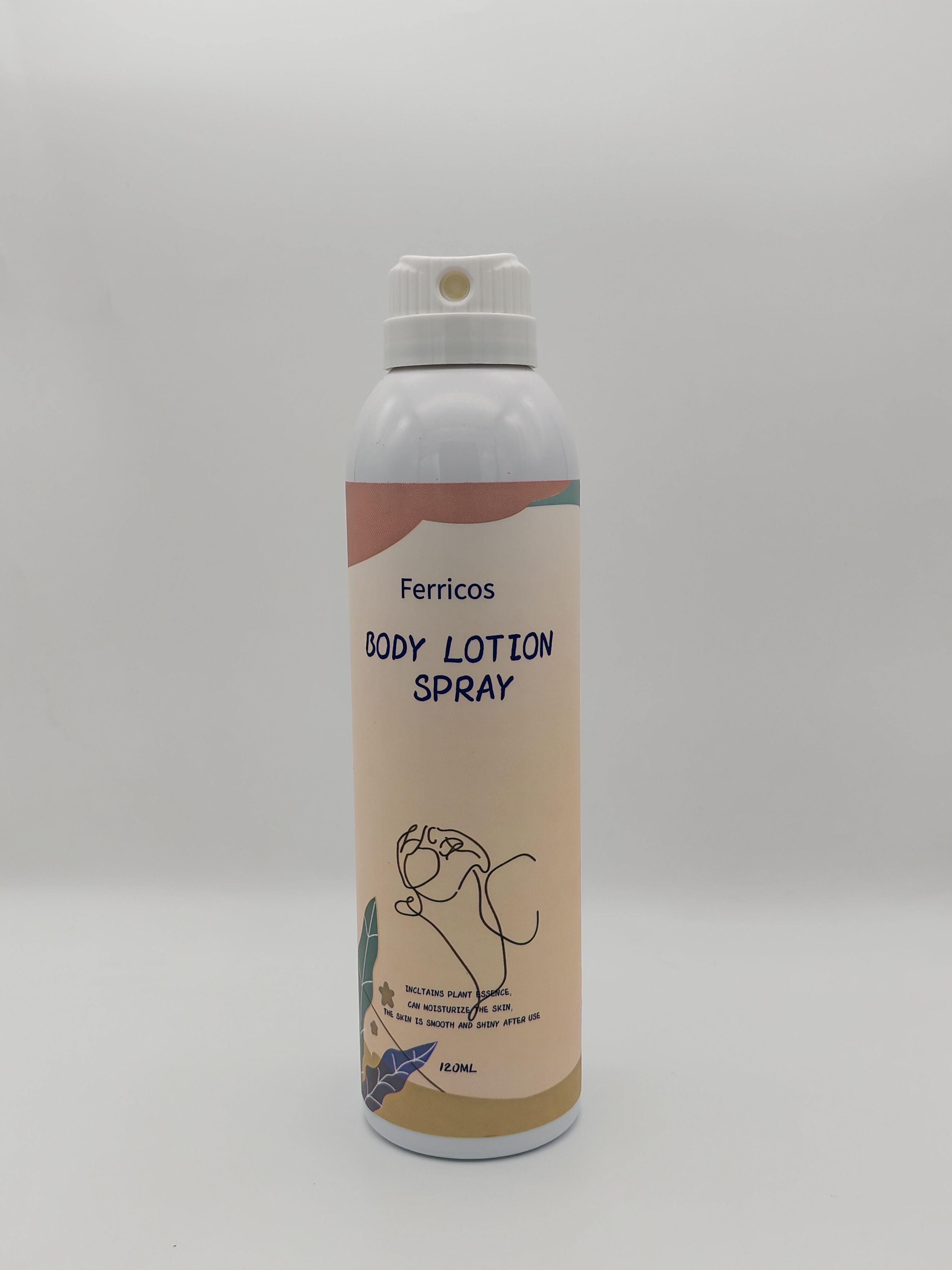
Getting the propellant-solvent pairing right often separates a forgettable formula from one that controls droplets perfectly and fills a room on contact. Lighter hydrocarbons like butane and pentane flash off almost instantly, lending a dry, airborne burst that suits matte deodorants and quick-breaking foams. Dimethyl ether, on the other hand, carries a gentle polarity that can tame water-heavy blends without turning the stream harsh, making it a quiet workhorse for mousses and gentle styling aids. This isn’t about picking what’s cheapest—it’s about matching the escape curve of the propellant to the film-forming rhythm of the solvent, so the payload lands exactly where it should.
When you start layering in performance modifiers—think non-greasy emollients or humidity-resistant polymers—the solvent becomes the unsung mediator. Isododecane and cyclopentasiloxane might share a silky skin feel, but one opens the door for propellant miscibility while the other can stall vapor pressure if you’re not careful. Even the overlooked cousins like methylal or acetone-ethanol blends can rescue a formula that’s clinging too tightly to the actuator. The real art isn’t in chasing vapor pressure tables; it’s in watching how the wet spray collapses into a dry mist under real-world triggers, adjusting the boiling point and solvency as a single, breathing system.
Beyond stability, tiny shifts in solvent polarity or propellant ratio radically alter the rheology inside the can—and that determines whether the user gets a crisp cone or a sloppy dribble after three weeks on a shelf. Blending solvents at odd fractions, like a 70:30 hydrofluoroether-ethanol mix, sometimes unlocks a narrower particle distribution that no single component predicts. The goalposts move with every new resin or active, so ignoring the solvent-propellant conversation leaves performance on the table. Master the pair, and the base just becomes the quiet stage for everything else to shine.
Preservation without Compromise: Balancing Efficacy and Skin Sensitivity
Crafting a preservative system that truly delivers without irritating even reactive skin is a surprisingly delicate dance. It’s not simply a matter of swapping out one notorious irritant for a single gentler alternative; that often leaves a formula vulnerable to contamination. Real success comes from understanding how multiple mild components can work together, creating a synergistic shield that maintains product integrity from the first drop to the last, all while feeling completely comfortable on the skin. This means looking beyond isolated ingredient lists and focusing on the behavior of the complete preservative blend within a specific emulsion or gel matrix, adjusting ratios until the system is both robust and entirely calm.
The shift toward allergen-free and food-grade preservatives has expanded the toolbox, but these ingredients often demand a higher level of formulation finesse. A blend that performs beautifully in one cream might fail in a serum simply because of differences in pH, water activity, or the presence of certain plant extracts. Achieving that ideal balance requires rigorous stress testing that mimics real-world use—from repeated opening and closing of jars to exposure to warm, humid bathroom environments. When done thoughtfully, the result is a preservative strategy that works so seamlessly you hardly notice it exists, other than the fact that the product stays fresh and your skin stays quiet.
From Lab to Shelf: Navigating Regulatory Hurdles in Spray Manufacturing
Bringing a new spray product from laboratory concept to store shelf isn't simply a matter of perfecting the formula. The path is littered with regulatory checkpoints that can stall even the most promising innovation. From propellant restrictions to volatile organic compound (VOC) limits, manufacturers must navigate a patchwork of rules that vary by region and product category. A formulation that meets standards in one market might fail in another, requiring constant adaptation and a deep understanding of evolving compliance landscapes.
The complexity deepens when you consider the diversity of spray applications—cosmetics, household cleaners, pesticides, and industrial coatings each come with their own regulatory bodies and testing requirements. For instance, aerosol sprays face scrutiny over flammability and environmental impact, while trigger sprayers might be evaluated for chemical exposure risks. Early-stage collaboration with regulatory experts and meticulous documentation can help avoid costly reformulations or recalls. It's a delicate balance between innovation and compliance, where foresight and flexibility become as critical as the science itself.
Ultimately, the journey from lab to shelf demands more than technical expertise; it requires a strategic mindset that embeds regulatory thinking into every stage of product development. Companies that treat compliance as a design parameter rather than an afterthought not only reduce time-to-market but also build consumer trust. In a competitive market, the ability to swiftly adapt to new regulations—such as bans on certain preservatives or propellants—can turn a potential obstacle into a distinct advantage.
The Art of the Mist: Engineering Spray Patterns for Consumer Delight
A whisper-soft plume or a decisive jet—the character of a spray defines the entire sensory encounter. It’s not just about moving liquid from bottle to surface; it’s about shaping that transition into an experience. The finest mists feel like a gentle breath, enveloping without overwhelming, while a bold stream signals power and precision. Getting this right means balancing physics with human expectation, where droplet size, velocity, and distribution become the brushstrokes of a nearly invisible art.
True mastery lies in the details consumers never see: the swirl chamber geometry that tears liquid into perfect droplets, the actuator orifice shaped down to the micron, the breakup length tuned to prevent drips. Each adjustment shifts the sensory signature—too fine and it drifts away, too coarse and it feels wet and heavy. Engineers tweak these variables until the spray becomes an extension of the product’s promise, whether it’s a delicate facial mist or a robust cleaning spray.
Achieving this delight demands relentless iteration. Prototype after prototype is tested, not just for mechanical performance but for that elusive moment of tactile pleasure. High-speed cameras dissect the spray’s ballet, while human panels close their eyes and simply feel. The result is a pattern that seems effortless, yet behind it are countless hours of refinement—shaping something as fleeting as a mist into a moment of pure satisfaction.
Sustainable Spritzes: Eco-Friendly Packaging and Refill Systems
A new wave of spritzes is reshaping our daily rituals—not by tinkering with scent or formula, but by rethinking the vessel itself. From facial mists to setting sprays, more brands are shifting away from single-use plastics toward refillable glass bottles and lightweight aluminum canisters. These keep the luxury feel intact while dramatically cutting down on landfill clutter. Instead of a full replacement each time, you simply re-order the inner cartridge or bulk pouch, which arrives in minimal, compostable packaging.
The refill trend isn’t just a marketing twist—it’s a tangible step toward circularity. Some companies have introduced return-and-refill programs: after you’ve used the last drop, you send back the empty container, and they’ll clean, sterilize, and refill it for the next user. Others offer concentrated refill pods that you drop into water at home, turning a tiny, lightweight packet into a full bottle. This drastically reduces the carbon footprint from shipping heavy, water-based products.
Design details are evolving, too. You’ll find caps made from reclaimed ocean waste, labels printed directly onto the glass to avoid adhesive waste, and outer boxes that double as shipping mailers. These tweaks might seem small, but collectively they’re rewriting the rulebook for personal-care packaging, proving that eco-friendly choices can sit comfortably alongside modern aesthetics.
FAQ
OEM deodorant spray production involves a manufacturer creating the product based on your specifications—formula, scent, packaging—while you brand and sell it. It’s popular because it slashes R&D time and lets brands launch quickly without owning factories.
Begin by outlining your ideal product profile: target market, desired claims (e.g., 48-hour protection, aluminum-free, natural), and any key ingredients. Then partner with an experienced OEM that offers formulation services; they’ll translate your vision into a shelf-ready formula.
Stability issues top the list—some natural ingredients can clog aerosol valves or separate over time. Also, scent fading and propellant compatibility can derail a batch. Working with a lab that does rigorous stability testing is non-negotiable.
Absolutely. The valve, actuator, and propellant type all affect the spray pattern. Scent customisation is standard—you can pick from a library, commission a bespoke fragrance, or submit your own. It’s details like these that make a brand stand out.
Plan for 12 to 20 weeks on average. That covers formulation tweaks, stability testing, sourcing packaging, filling, and compliance checks. Rush jobs happen, but they risk cutting corners on testing—something you don’t want with a consumer aerosol.
It varies wildly. The EU demands strict allergen labelling and REACH compliance; the US is governed by FDA and VOC limits from the EPA; Canada has its own notification process; and the Middle East often requires halal certification. An OEM with global experience can steer you through the maze.
Insist on independent efficacy tests—sniff tests, wear trials, and sweating panels. Don’t rely solely on ingredient claims. Also, check for skin compatibility via dermatological testing if you’re marketing a ‘sensitive skin’ line.
Communication clarity and a mutual respect for timelines. Provide detailed briefs upfront, be honest about your budget, and don’t nickel-and-dime on essential testing. The best partnerships evolve into co-innovation relationships where the OEM proactively suggests improvements.
Conclusion
Crafting a signature deodorant spray for a brand goes far beyond just picking a pleasant scent. The fragrance blend becomes the olfactory fingerprint of the product, weaving together top, middle, and base notes to evoke specific emotions and reinforce brand identity. But a memorable aroma needs the right delivery system. Selecting propellants and solvents isn't a mere technicality—it determines the spray's feel, dry-down time, and stability. Meanwhile, preservation demands a delicate equilibrium: effective enough to prevent contamination, yet gentle enough for daily contact with skin. These formulation choices don't happen in a vacuum; they must navigate a maze of global regulations that dictate everything from ingredient restrictions to labeling requirements.
The final result also hinges on the mechanics of the mist itself. Engineering the spray pattern—the cone angle, droplet size, and even the sound of the actuator—transforms an ordinary application into a sensorial moment that delights consumers. Increasingly, this craftsmanship is being paired with environmental responsibility. Brands are turning to sustainable packaging, such as recycled aluminum cans or refillable systems, to reduce waste without compromising performance. Mastering OEM production means orchestrating all these elements: from the chemistry in the bottle to the experience in the hand and the conscience behind the product. It’s a holistic process where artistry meets compliance, and innovation meets practicality.
Contact Us
Contact Person: Simon
Email: [email protected]
Tel/WhatsApp: +86 13267966849
Website: https://www.wilsoncosmetic.com