

Magnetic Levitation Blower Reduces Operational Costs
2026-08-17
Rising energy bills and recurring maintenance headaches have a common culprit in many plants: the humble blower. It runs constantly, yet rarely gets a second thought until costs spiral. Magnetic levitation blowers change that story—and Seize Air is helping operators rewrite it. By floating the rotor on a magnetic field, friction disappears, energy consumption drops by double digits, and maintenance intervals stretch from months to years. Here’s what that means for your bottom line.
Where the Real Savings Hide: Energy Use at Partial Load
Most energy audits start and end at the nameplate, where motors, compressors, and pumps show off their full-load efficiency. But real-world operation rarely stays there. Systems spend the vast majority of hours at 30 to 70 percent load. That is where the actual electricity bills are written, and where two units with identical full-load numbers can drift apart by a wide margin.
The culprit is how a machine handles partial demand. Some designs ramp down smoothly, holding efficiency relatively flat across the range. Others cycle on and off, open bypass valves, or let the compressor short-cycle, wasting energy every time the load drops. These behaviors never show up on a standard label, so buyers routinely pay more for decades without knowing it.
If you want to find the hidden savings, pull the part-load performance data. Compare efficiency at 25, 50, and 75 percent load, not just at 100 percent. A small difference at partial load can compound into a large difference on the annual bill. That is where the money sits, sometimes quietly enough to go unnoticed until you start looking for it.
Cutting the Cord on Bearings and Lubrication Costs
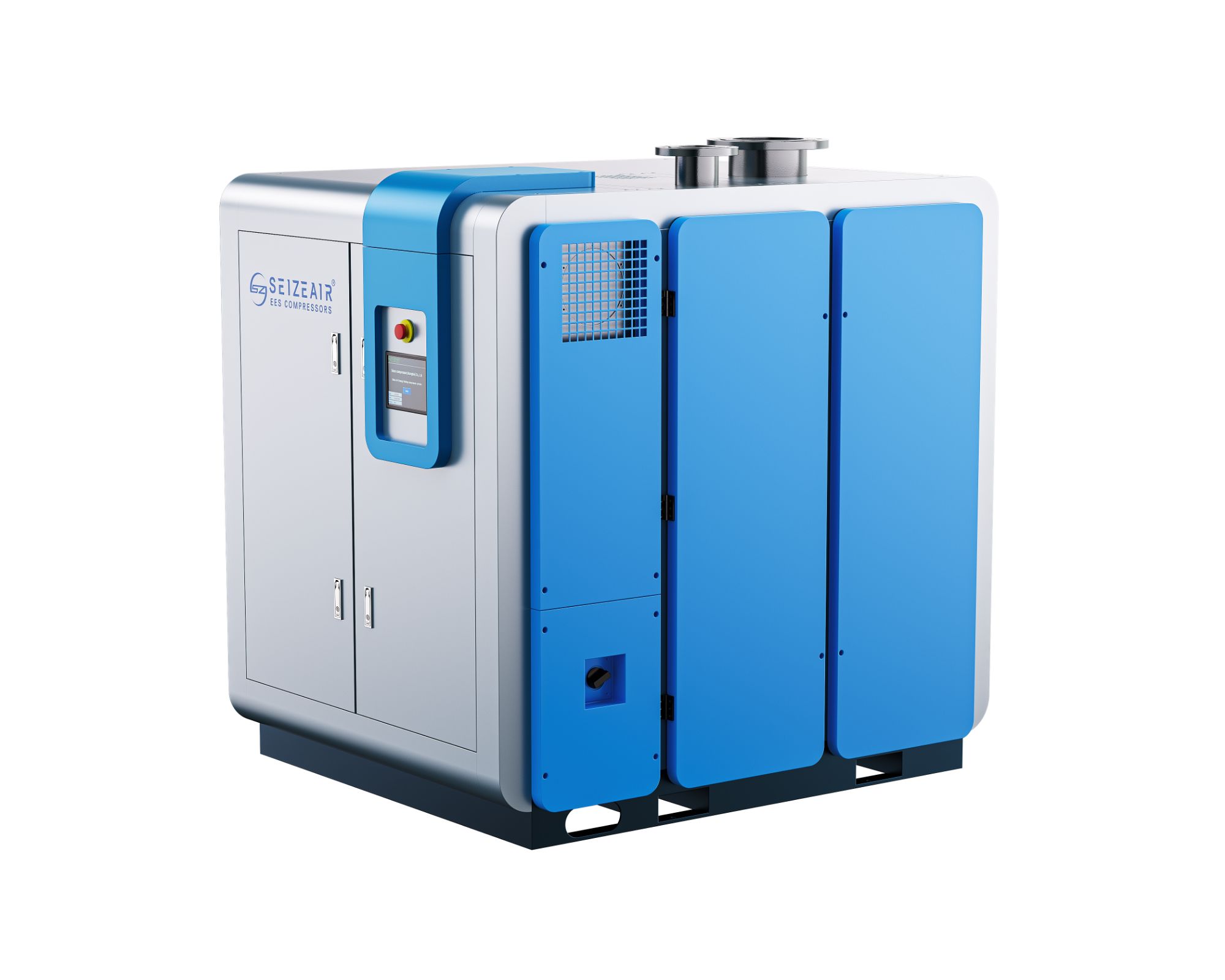
Traditional bearing maintenance keeps a firm grip on your budget, demanding regular grease intervals, scheduled downtime, and a stockpile of lubricants that never seem to last. Shifting to sealed or self-lubricating bearing systems breaks that dependency, letting you skip the messy manual re-greasing and the recurring expense of premium oils. The savings pile up quickly once you stop treating lubrication as a monthly ritual and start treating it as an outdated habit.
Many operations overlook how much hidden labor goes into checking, topping off, and troubleshooting bearing lubrication. Each inspection pulls a technician away from core tasks, and a single over-greased housing can cause seal blowouts and premature failure that eats into your replacement budget. Choosing polymer or dry-running bearings eliminates those touchpoints entirely, reducing both the direct material costs and the indirect labor hours that never appear on a simple spreadsheet.
The real payoff shows up in extended service life and fewer unexpected breakdowns. When bearings run without external lubrication, you remove the most common failure trigger from the equation, so production lines keep moving longer between planned shutdowns. That shift turns a recurring operational expense into a one-time design choice, giving your maintenance team more time to focus on genuine improvements instead of chasing grease guns and wiping oil leaks.
How Fewer Wear Parts Rewrite Your Maintenance Calendar
When a machine runs with fewer wear parts, the entire rhythm of upkeep shifts. You stop penciling in weekly inspections for components that simply aren't there anymore, and the old monthly replacement rituals quietly drop off the calendar. What remains is a loose, flexible schedule that respects actual condition rather than guesswork.
Maintenance teams quickly realize they're no longer chained to a fixed checklist. Instead of swapping belts, bearings, or seals on a rigid timetable, they can redirect attention to fluid levels, alignment checks, and occasional performance tuning. The result is a calendar that breathes—more open space between service events, fewer emergency calls, and a noticeable reduction in spare parts inventory.
Over time, this shift rewires how people think about downtime. Planned outages become shorter and less frequent, and the annual overhaul no longer looms as a monster project. With fewer wear points competing for attention, the maintenance calendar transforms from a stress-inducing grid into a simple reminder system for the few things that still actually need a human hand.
The Unseen Link Between Friction and Your Electric Bill
Most people assume their electric bill rises only when they add new appliances or leave lights on longer. Yet friction—both literal and metaphorical—quietly drains energy in ways you rarely notice. Aging wiring, dusty fan blades, or a refrigerator door seal that doesn’t quite close all force motors and compressors to work harder. That extra effort comes straight from your wallet, often without a single visible symptom.
Think of the small resistances that accumulate over time. A sliding window that sticks, a dryer vent clogged with lint, or even a poorly balanced ceiling fan can add surprising load to your home’s electrical system. Each one seems trivial on its own, but together they create a background drag that pushes your monthly usage higher than it needs to be. The frustrating part is that these issues rarely trigger a fault or warning—they simply hum along, costing you pennies every hour until the bill arrives.
Reducing that hidden friction doesn’t require a major renovation. Cleaning coils, lubricating hinges, tightening connections, and replacing worn gaskets can cut resistance noticeably. Better yet, paying attention to how smoothly your appliances and fixtures operate gives you a simple diagnostic tool: if something feels harder to move or noisier than it used to be, it’s probably working against you. Small fixes here and there don’t just lower the bill—they also extend the life of everything you plug in.
Why Facility Managers Stop Worrying About Downtime
Facility managers eventually stop losing sleep over downtime because they shift from reactive firefighting to building in redundancy where it matters most. Instead of waiting for a chiller to fail on a 95-degree day, they map out which systems truly can't afford to go dark, then layer in backups, spare parts, and clearly documented bypass procedures. It's the difference between hoping nothing breaks and knowing exactly what to do when it does.
Another reason the worry fades is that experienced managers start treating downtime as a data problem rather than a personal failure. They track mean time between failures on critical assets, log every unplanned outage with a simple root-cause note, and use that history to predict which components are likely to fail next. Over time, the surprises become fewer, and the ones that do happen feel more like manageable hiccups than full-blown crises.
Finally, smart facility managers stop worrying because they build strong relationships with local contractors and suppliers before an emergency hits. Having a go-to electrician who knows your building's quirks, or a parts vendor who will open after hours for a long-time customer, means that even when downtime happens, the recovery window shrinks dramatically. When you know who you're going to call and what it will cost, downtime stops being a source of anxiety and becomes just another work order.
From First Cost to Lifecycle Cost: A Smarter Comparison
A low purchase price can be a trap. The real burden of owning equipment, software, or a building shows up later—in the energy it burns, the downtime it causes, and the repairs it demands. Comparing options purely on first cost misses all of that. Lifecycle cost brings those future expenses into today's decision, so the cheapest sticker isn't automatically the smartest buy.
Take an HVAC system as an example. One unit costs less to install but runs inefficiently, straining the power bill every month and breaking down twice as often. Another costs more up front but sips energy and rarely needs a service call. Over ten years, the "expensive" option can come out thousands of dollars ahead. The same logic applies to factory machinery, fleet vehicles, and even software licenses with ongoing support fees.
Shifting to lifecycle thinking changes the questions you ask during procurement. Instead of "What's the price?" you start asking "What will this cost per year of useful life?" That one change tends to expose hidden risks—like proprietary parts, high consumable usage, or a short warranty. It also makes budget conversations more honest, because the total cost of ownership is on the table from day one.
FAQ
In wastewater aeration and similar continuous-duty applications, the motor directly drives the impeller without gears or contact bearings. That removes friction losses and heat buildup, so a well-sized unit often uses 20% to 35% less power than a conventional lobe or multi-stage blower. Since electricity dominates lifecycle cost, the reduction shows up on the monthly bill almost immediately.
Magnetic bearings suspend the shaft in a controlled magnetic field, eliminating metal-to-metal contact. There is no bearing wear, no oil film to maintain, and no need to replace rolling elements on a schedule. Because the rotor only touches the backup bearings during a rare shutdown event, the core components last far longer, which keeps major overhaul expenses out of the budget for years.
In most continuous or high-hour processes, yes. The premium over a traditional blower is typically recovered through lower electricity and maintenance spending within two to four years. If the site has time-of-use rates or utility incentives for high-efficiency equipment, the payback can be even shorter. The key is to compare models at the same actual duty point, not just nameplate ratings.
Municipal and industrial wastewater plants, cement plants using pneumatic conveying, power plant flue gas desulfurization, and food or pharmaceutical fermentation lines usually benefit fastest. These operations run blowers for thousands of hours per year, so every percentage point of efficiency gain accumulates quickly. A mid-sized wastewater plant, for example, can save a six-figure amount over a five-year period when replacing aging lobe blowers.
Maintenance really does drop off sharply. There is no gearbox oil to change, no belts to tension, and no contact bearings to regrease or replace. Routine work is mostly filter inspection, electrical checks, and occasional cleaning. Many users go from quarterly or monthly service visits to a single annual inspection, which also frees up maintenance staff for other critical tasks.
A maglev blower with a variable-speed drive adjusts impeller speed to match the required airflow and pressure in real time. Instead of throttling a valve and wasting energy, the motor slows down or speeds up to stay near its best efficiency point. That part-load behavior is especially valuable in wastewater plants where night flows drop significantly but the process still needs precise oxygen control.
Several hidden costs tend to shrink or vanish. Lubricant purchases, used oil disposal, spare bearing inventories, and cooling water treatment all become unnecessary. Noise levels are also low enough that many installations skip separate acoustic enclosures, and reduced vibration lowers stress on connected piping and foundations. Fewer unexpected shutdowns mean less production loss and less overtime spent on emergency repairs.
A realistic TCO model should cover purchase price, installation, projected electricity cost at actual operating hours, routine maintenance labor, spare parts, expected service life, and downtime risk. Maglev blowers often look more expensive on the first invoice but win decisively when you run a ten-year comparison with energy and maintenance included. Always request performance curves at your specific pressure and flow range so the efficiency assumptions match your process.
Conclusion
Most of the savings from a magnetic levitation blower don't show up on the purchase order. They accumulate quietly at part load, where conventional blowers lose efficiency but a maglev impeller keeps its composure. In real plants, demand rarely sits at full design capacity, so the ability to maintain high efficiency across a wide turndown range is where the electric bill actually shrinks. Because the shaft floats on active magnetic bearings, there's no metal-to-metal contact, no oil film shearing, and no friction penalty that grows with speed. The result is less power drawn for the same airflow, especially during the long hours when the system isn't running flat out.
That levitation also removes a whole category of costs tied to bearings and lubrication. There are no grease guns, no oil changes, no seal leaks, and no scheduled bearing replacements to budget for. With far fewer wearing components, the maintenance calendar thins out dramatically—routine inspections replace emergency callouts, and downtime stops being a recurring worry. Facility managers quickly shift from defending against surprise failures to planning around actual condition data. When you stop comparing first cost and start comparing lifecycle cost, the picture flips: a maglev blower often commands a higher initial price, but the accumulated savings in energy, labor, spare parts, and lost production make it the cheaper machine over a decade. That's the difference between buying hardware and buying uptime.
Contact Us
Contact Person: Mia
Email: [email protected]
Tel/WhatsApp: +86 19821985894
Website: https://www.seize-air.com