
Lithium-Ion Forklift Manufacturer: How to Choose the Right Partner for Your Fleet
2026-07-01
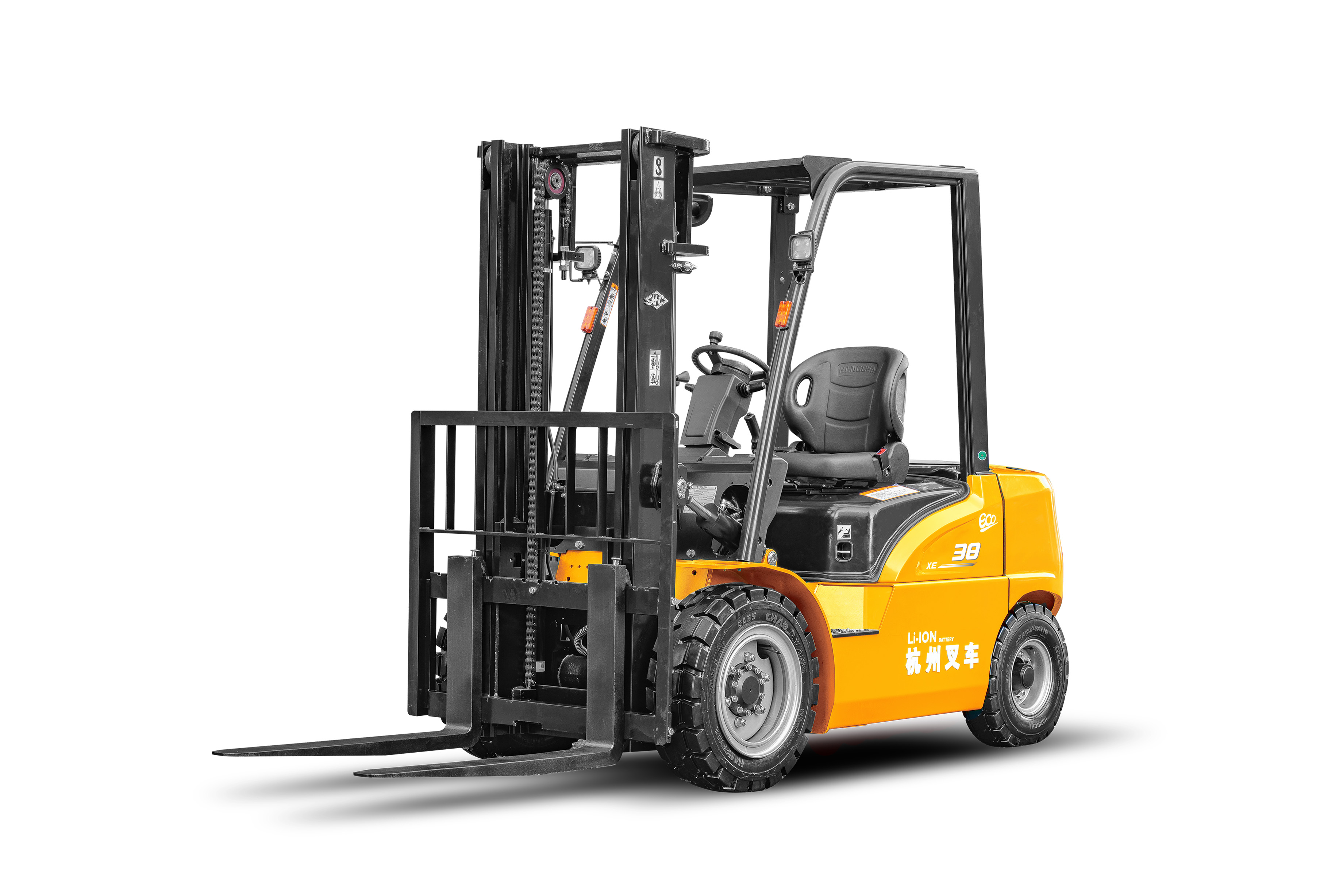
Switching to lithium-ion forklifts is a strategic move that can transform your warehouse operations—boosting efficiency, reducing downtime, and cutting long-term costs. But the real challenge lies in selecting a manufacturer that aligns with your fleet’s unique demands. With HANGCHA emerging as a prominent player in the lithium-ion space, the decision calls for a closer look at what truly separates a dependable partner from the rest. In this guide, we’ll walk you through the essential factors to evaluate, from battery technology and after-sales support to sustainability commitments, so you can make a choice that powers your business forward with confidence.
Beyond the Spec Sheet: What Really Matters in a Lithium-Ion Partner
Choosing a lithium-ion battery partner often starts with comparing data sheets—cycle life, energy density, charge rates. But those numbers, polished as they are, only tell part of the story. The real differentiator isn’t what’s printed; it’s the engineering culture behind the product, the willingness to collaborate on custom solutions, and the transparency about failure modes. A partner who simply hands you a catalog and a warranty isn’t truly invested in your success. Look instead for a team that asks about your thermal environment, your duty cycles, and your end-user expectations—because those details shape performance far more than a lab-derived spec.
Long-term reliability lives in the nuances: how a supplier handles cell matching, what quality gates exist at each production stage, and whether they can trace a single batch back to its raw materials. When something goes wrong—and in complex systems, it eventually does—you need a partner with the diagnostic depth to root-cause the issue, not just replace the pack. That level of commitment requires onsite audits, shared testing protocols, and an iterative feedback loop that refines every incoming shipment. The best relationships feel less like a vendor transaction and more like a joint engineering effort, where your challenges become their obsession.
The Hidden Costs of Choosing the Wrong Manufacturer
When a business leaps into a manufacturing partnership driven purely by attractive unit pricing, the initial deal often masks a cascade of hidden expenses that surface only after contracts are signed. These aren't line items on any invoice—think of the engineering hours burned correcting production flaws, the air freight charges for expedited replacements, or the quiet exodus of customers who received subpar products. Each delay and defect chips away at your brand's reputation, creating a debt that compounds far beyond the factory floor. The money you thought you saved quickly vanishes into the sinkhole of rework and crisis management.
The more insidious drain comes from the talent cost—your best people diverted from strategic work to nurse a floundering supplier relationship. Skilled operators become part-time inspectors, project managers morph into expeditors, and leaders spend their days in damage-control calls instead of driving innovation. Over months, the team's morale frays as they battle the same preventable issues, and institutional knowledge erodes because everyone is too busy putting out fires to document processes. Before you know it, the manufacturer's inefficiencies have become your company's ceiling, stifling growth and bleeding competitive advantage from every pore.
There's also a longer-term compromise that few anticipate: the gradual loss of your own manufacturing intelligence. When you offload production to a partner that doesn't truly understand your design intent or quality thresholds, you stop learning about your own product. Design improvements stall because you lack the on-the-ground insights that come from a collaborative relationship. Compliance blind spots may go unnoticed until a regulatory body steps in. Eventually, you're not just paying for a manufacturer's mistakes—you're paying with your ability to pivot, invent, and lead your market.
How to Spot a Partner Who Understands Your Warehouse Rhythms
A dead giveaway is how a partner handles the unannounced chaos: a truck that shows up three hours early, or a sudden spike in returns that clogs the aisles. The ones who get your rhythms don’t panic or overcompensate. Instead, they read the room—maybe they quietly shift their focus to areas that are backing up, or they hold off on non-urgent tasks without needing a memo. Their instinct aligns with the flow you’ve established over years, not some generic playbook.
Pay attention to the conversations that happen away from the whiteboard. When a partner starts asking about the downtime between shifts or why the third conveyor belt never runs on Fridays, you’re hearing evidence of someone who’s absorbed the subtle patterns. They’re not just auditing your metrics; they’re curious about the living, breathing rhythm that makes your warehouse tick. That curiosity usually translates into support that slots in without friction.
Real understanding shows up over time, not in a polished pitch. A partner who’s synchronized with your rhythms will have a track record of adapting when your seasonal push gets extended or your late-night sorting process gets overhauled. They don’t need a roadmap every time the tempo changes because they’ve made your warehouse’s rhythm their own. It’s the difference between a vendor who delivers a service and one who genuinely shares the floor with you.
When Battery Performance Becomes Your Competitive Edge
In a market flooded with devices that look alike and claim similar speeds, the one thing that users actually feel every single day is how long their battery holds up. It’s the quiet differentiator that either builds trust or sows frustration. When a phone still has juice after a cross‑country flight, or a laptop powers through back‑to‑back meetings without hunting for an outlet, that’s not just convenience—it’s a statement of reliability that no spec sheet can fully capture.
Companies that treat battery innovation as a core design principle, rather than an afterthought, are the ones turning endurance into loyalty. Smart thermal management, low‑power sensor fusion, and adaptive refresh rates aren’t buzzwords when they translate into an extra afternoon of use. It’s about engineering a device that respects the user’s time, rather than tethering them to a wall. And when that happens, customers don’t just notice—they remember.
Over time, that kind of dependability reshapes an entire product line’s reputation. Users stop checking the percentage icon nervously and start taking the device into situations they’d previously avoid: camping trips, all‑day festivals, or simply a hectic workday with no charger in sight. Battery performance becomes the invisible enabler of everyday life, and once people experience that freedom, they’re unlikely to settle for less again.
Avoiding Downtime: Service, Support, and the Unseen Backbone
In many operations, the real work of keeping things running happens long before anyone notices a problem. It's the quiet coordination between service teams who know their systems inside out and the support frameworks that catch irregularities early. This kind of preparedness doesn't come from reacting quickly to failures; it comes from building a culture where every alarm, every log entry, and every routine check is treated as part of a larger conversation about reliability.
The unseen backbone is often a blend of human expertise and thoughtful automation. When support engineers have the context to make decisions before an issue escalates, downtime becomes a narrow window rather than a prolonged outage. True resilience isn’t just about having backups—it’s about how well the team understands the dependencies, the subtle signs of strain, and the moments when a quick intervention can prevent cascading effects.
Ultimately, avoiding downtime is less about chasing perfection and more about designing for inevitable hiccups. It means service models that assume things will go wrong and build the capacity to absorb surprise. From the way updates are rolled out to the honest debriefs after a close call, every layer of support contributes to an environment where continuity is woven into daily practice rather than being a reactive scramble.
Future-Proofing Your Fleet: Scalability and Innovation
To stay ahead, fleet managers need to think beyond immediate needs and invest in systems that can grow with them. This means choosing vehicles and platforms that easily integrate new technologies as they emerge, from electric powertrains to advanced telematics. Scalability isn’t just about adding more units—it’s about building an adaptable ecosystem where each upgrade enhances overall efficiency without requiring a complete overhaul.
Innovation plays a critical role in future-proofing. Real-time data analytics, predictive maintenance, and over-the-air updates are no longer futuristic concepts but practical tools that keep operations running smoothly. By embracing these advancements early, fleets can avoid costly downtimes and stay compliant with evolving regulations. The key is to partner with providers who prioritize open architectures and continuous improvement, ensuring that your fleet remains at the cutting edge without constant reinvestment.
Ultimately, future-proofing is a mindset that balances current performance with long-term flexibility. It involves training teams to adapt, regularly auditing technology stacks, and being willing to pivot strategies as the market shifts. Companies that master this balance will not only reduce total cost of ownership but also gain a competitive edge in an industry defined by rapid change.
FAQ
Lithium-ion forklifts bring a few clear benefits over lead-acid models. You get shorter charging times and no need for battery swaps, which means more uptime. They maintain consistent power delivery throughout a shift, so performance doesn't drop as the battery drains. Maintenance is simpler too—no water level checks or acid spills to worry about. Over time, the longer lifespan and reduced downtime can offset the higher upfront cost.
Start by looking at how long they've been in the specific lithium-ion forklift space—not just general manufacturing. Ask for case studies or references from fleets similar to yours. Customer reviews and third-party testimonials often reveal patterns in reliability. It helps to dig into their R&D investments and whether they design their own battery systems in-house. A manufacturer willing to share performance data from real-world deployments is usually a safer bet.
Prioritize certifications like UL 2580 for battery systems and CE or UN38.3 testing for cell transport safety. Look for built-in battery management systems (BMS) that monitor temperature, voltage, and current with multiple layers of protection. Features like thermal runaway prevention, cell balancing, and rugged enclosures matter for day-to-day safety. Ask how the manufacturer handles fault scenarios and whether they provide clear, verifiable test reports.
With lithium-ion, you typically avoid fuel costs and many maintenance headaches—no oil changes, filters, or exhaust systems. Electricity is cheaper per operating hour than propane or diesel. Lithium-ion batteries also last longer than lead-acid packs and don't require separate charging rooms, which can free up warehouse space. The higher initial investment gets easier to justify when you factor in reduced downtime and the lower energy and service expenses over several years.
Check if your existing forklifts can be retrofitted or if you need new units built for lithium-ion. The battery compartment size, voltage requirements, and communication protocols between the battery and the truck must align. Weight differences can affect stability—lithium-ion packs are often lighter, so ballast adjustments might be necessary. Also, review your charging infrastructure; you may need higher-capacity circuits or dedicated lithium-ion chargers.
It can make or break your fleet's performance. Even the best equipment eventually needs parts or troubleshooting. Look for manufacturers that offer local service networks, fast response times, and remote diagnostics capabilities. Warranty terms are key—pay attention to what's covered and for how long, especially on the battery. A partner that provides proactive maintenance and training for your staff adds value far beyond the initial sale.
Modern lithium-ion forklifts are increasingly capable in tough environments. High-voltage systems can deliver power comparable to internal combustion engines for lifting heavy loads. For outdoor use, look for sealed components and IP-rated protection against dust and moisture. You still need to consider charging infrastructure in outdoor settings, and extreme temperatures can affect battery efficiency, but with proper design, they hold up well in many applications traditionally dominated by diesel or LPG.
Conclusion
Selecting a lithium-ion forklift partner goes far beyond comparing data sheets. Real value comes from manufacturers who grasp your daily operational flow—how shifts peak, how space constraints shape charging patterns, and where energy efficiency can be quietly maximized. A partner that understands your warehouse rhythms won’t just drop in a standardized solution; they’ll tailor battery configurations, charge profiles, and even cooling logic to match the unspoken tempo of your facility. Overlooking this often leads to hidden costs that surface only later—patchy support, premature battery wear from ill-fitted cycles, or integration snags that slow down entire shifts. The wrong manufacturer leaves you managing constant workarounds, while the right one translates into smooth, uninterrupted productivity from day one.
When battery performance becomes a strategic asset, your choice of partner directly shapes your competitive edge. Lithium-ion technology can slash charging times and enable opportunity charging during natural breaks, turning every minute into more throughput. But that edge relies on a backbone of robust service and support—proactive diagnostics, fast spare parts, and technicians who speak your operational language. Downtime isn’t just a technical failure; it’s a ripple through your logistics chain. Equally critical is the manufacturer’s ability to future-proof your fleet. Look for scalable battery management systems, firmware that adapts to new energy strategies, and a track record of innovation that aligns with where your material handling needs are heading. A partner who thinks beyond the current fleet keeps you ahead, not just running.
Contact Us
Contact Person: Liuxue
Email: [email protected]
Tel/WhatsApp: +86-19084200370
Website: https://www.hf-ec.com/