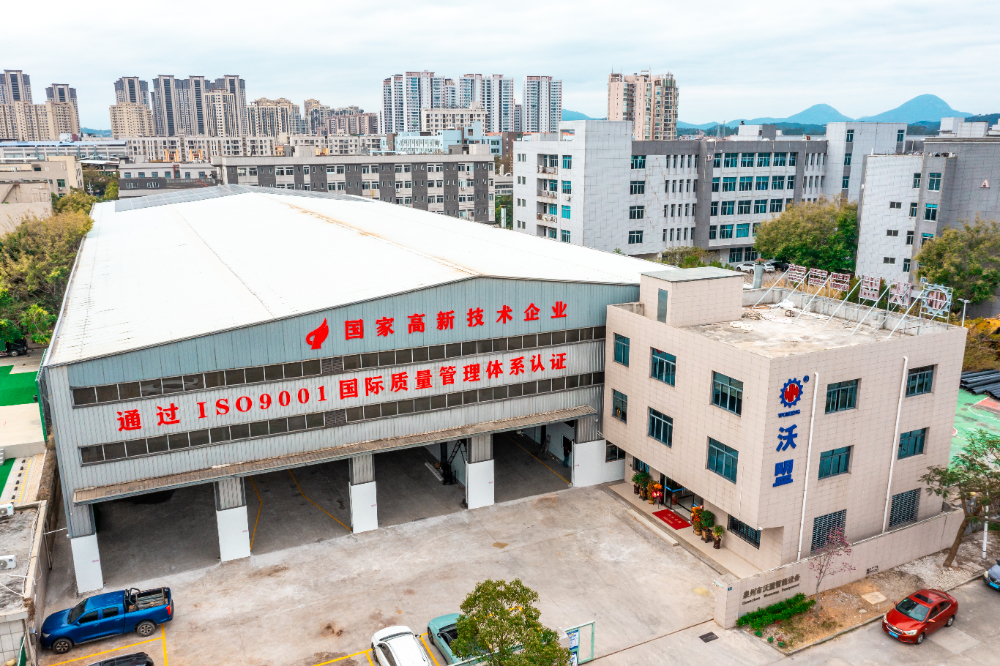

High Quality Sanitary Pad Manufacturing Machine: Advanced Solutions for Modern Hygiene Production
2026-03-05
In a world where hygiene standards are continuously evolving, the demand for reliable, high-quality feminine care products has never been greater. At the heart of this essential industry lies the technology that powers its production—precision manufacturing machines designed to meet rigorous global standards. Our focus today is on one such innovation: the advanced sanitary pad manufacturing machine, a game-changer for modern hygiene solutions. Wondering how these machines revolutionize production while ensuring top-notch quality and sustainability? Womeng is leading the charge with cutting-edge designs that blend efficiency, safety, and innovation. This blog dives into the intricacies of these machines, exploring why they're pivotal for manufacturers aiming to stay ahead in the competitive hygiene market. From automated processes to eco-friendly materials, we'll uncover the features that set Womeng's solutions apart. Get ready to explore how advanced technology is shaping the future of feminine care production, one pad at a time.
Innovative Machinery for Hygienic Product Manufacturing
In the realm of hygienic product manufacturing, cutting-edge machinery is revolutionizing how items like diapers, wipes, and sanitary pads are produced, combining precision engineering with smart technology to meet growing global demand for quality and sustainability. These advanced systems often incorporate features such as real-time monitoring sensors and AI-driven adjustments, ensuring consistent output while minimizing waste and downtime. For instance, some modern lines use high-speed rotary presses and automated folding mechanisms that dramatically increase throughput, making production more efficient and cost-effective without compromising on safety or hygiene standards. This shift towards innovation is not just about speed; it's about creating machinery that adapts to diverse materials and consumer needs, setting new benchmarks in the industry.
Beyond mere automation, the latest machinery prioritizes hygiene through designs that facilitate easy cleaning and contamination prevention, such as stainless-steel components and closed systems that reduce human contact. A standout example is machinery equipped with self-sanitizing UV-C light modules, which can deactivate pathogens during the manufacturing process, adding an extra layer of protection for end-users. This focus on hygienic design helps manufacturers comply with stringent regulations while building trust with consumers who are increasingly aware of product safety. By integrating such features, these machines go beyond traditional roles, becoming integral tools in fostering a cleaner, more reliable supply chain for everyday essentials.
The evolution of machinery in this sector also embraces sustainability, with innovations like energy-efficient motors and recyclable material handling systems that reduce environmental impact. Many manufacturers are now investing in modular machinery that allows for quick reconfiguration to produce different product types, supporting agility in responding to market trends. This adaptability, coupled with user-friendly interfaces that simplify operation and maintenance, empowers factories to operate seamlessly in competitive landscapes. Ultimately, these advancements underscore a broader narrative: innovative machinery isn't just enhancing production—it's shaping a future where hygienic products are made smarter, safer, and more sustainably for all.
Advanced Automation in Feminine Hygiene Equipment
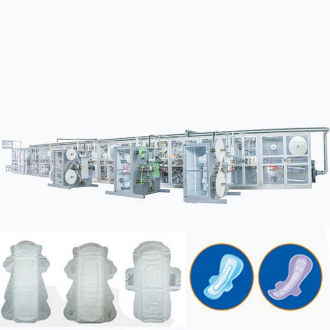
In recent years, the feminine hygiene industry has witnessed a transformative shift towards advanced automation, driven by the need for enhanced efficiency, precision, and sustainability. Automated systems are now integral to manufacturing processes, from raw material handling to final packaging, ensuring consistent quality and reducing human error. This automation extends to smart sensors and robotic arms that perform delicate tasks like assembling sanitary pads or tampons with unprecedented speed and accuracy, ultimately meeting growing consumer demand for reliable and hygienic products.
Beyond production lines, automation is revolutionizing product innovation and customization. Advanced algorithms and machine learning enable real-time monitoring of equipment performance, predicting maintenance needs to minimize downtime and optimize resource use. This allows manufacturers to quickly adapt to market trends, such as developing eco-friendly materials or creating tailored products for diverse consumer preferences, giving them a competitive edge in a crowded marketplace.
The integration of automation also enhances safety and hygiene standards within facilities. Automated cleaning and sterilization systems maintain sterile environments, crucial for preventing contamination in sensitive hygiene products. This proactive approach not only boosts consumer trust by ensuring product integrity but also aligns with global regulatory requirements, paving the way for more resilient and forward-thinking operations in the sector.
Customizable Solutions for Sanitary Pad Production Lines
Tailoring sanitary pad production lines to specific needs is crucial for manufacturers aiming to stay competitive. Our customizable solutions allow for the integration of various machinery components, such as high-speed core forming units and advanced packaging systems, ensuring seamless operation from raw material input to final product output. By adapting to different absorbency levels, sizes, and materials like cotton or biodegradable alternatives, these lines can produce a wide range of pads, from everyday use to premium offerings, meeting diverse market demands without compromising on efficiency or quality.
Beyond standard configurations, we offer modular designs that enable easy upgrades and expansions as production scales up or technology evolves. This flexibility reduces downtime and investment risks, allowing manufacturers to respond quickly to trends like eco-friendly products or enhanced comfort features. With options for automation levels, from semi-automatic to fully robotic lines, businesses can optimize labor costs and improve consistency, ensuring every pad meets strict hygiene and performance standards in a cost-effective manner.
Our approach emphasizes collaboration with clients to co-create solutions that align with their brand vision and operational goals. Whether it's incorporating specialized printing for branding or implementing energy-saving technologies, each line is fine-tuned for unique requirements. This personalized service, backed by ongoing technical support, helps manufacturers not only streamline production but also innovate in a crowded market, delivering pads that stand out in quality and sustainability.
Eco-Friendly Technologies in Modern Pad Manufacturing
In today's pad manufacturing industry, eco-friendly technologies are reshaping how products are designed and produced, moving beyond mere buzzwords to tangible innovations. For instance, many manufacturers now incorporate biodegradable materials derived from bamboo, cornstarch, or recycled cotton fibers into their pads, significantly reducing plastic waste. These materials break down faster in landfills compared to traditional synthetics, offering a more sustainable end-of-life option without compromising comfort or performance.
Beyond materials, energy-efficient production processes play a crucial role, such as using solar-powered machinery and water recycling systems to minimize environmental footprints. Some companies even adopt closed-loop manufacturing, where waste materials are continuously reused in new products, cutting down on resource consumption. This holistic approach not only lowers greenhouse gas emissions but also appeals to consumers who prioritize sustainability in their purchasing decisions.
To stand out in a crowded market, innovative brands are integrating smart technologies like sensors that optimize material usage during manufacturing, reducing excess and waste. Additionally, certifications like Fair Trade or organic labels ensure ethical sourcing and eco-conscious practices from start to finish. These advancements demonstrate that eco-friendly pad manufacturing isn't just about being green—it's about building a healthier, more responsible future for both people and the planet.
Precision Engineering for Consistent Quality Output
At the heart of our approach lies a meticulous blend of advanced technologies and rigorous protocols, designed to ensure every product meets exacting standards. By integrating real-time monitoring systems with automated feedback loops, we eliminate variability that often plagues traditional manufacturing. This isn't about chasing perfection in isolation; it's about crafting a reliable, repeatable process that delivers uniformity across thousands of units, from the first to the last.
We've moved beyond basic quality checks to embed precision into every phase of development. From initial design simulations that predict material behavior under stress, to fine-tuning assembly lines with laser-guided calibration, each step is optimized for consistency. This proactive stance means minor deviations are caught and corrected long before they escalate, resulting in outputs that not only meet specifications but exceed expectations in durability and performance.
The payoff is a seamless experience for end-users, where reliability is a given, not a gamble. By focusing on precision engineering, we build trust through predictable excellence, whether it's in consumer electronics, medical devices, or industrial components. It's a commitment to delivering quality that stands the test of time, without constant oversight or costly rework.
Streamlined Processes to Boost Production Efficiency
To truly ramp up production efficiency, it's not just about adding more machines or workers; it's about fine-tuning the flow of work itself. Imagine a factory floor where materials move seamlessly from one station to the next without bottlenecks or delays. By mapping out each step in the production chain, businesses can identify snags—like redundant checks or unnecessary handoffs—and trim them down. This streamlining isn't a one-time fix but an ongoing effort, often using tools like process audits or lean methodologies to keep operations agile and responsive to demand shifts.
Beyond the factory, streamlined processes can transform how teams collaborate in real-time. For instance, adopting integrated software systems that sync inventory, scheduling, and quality control can cut down on manual data entry and errors. This allows managers to spot inefficiencies faster, perhaps through dashboards that highlight where delays occur or resources are underutilized. It's like having a clear roadmap that helps everyone from frontline staff to executives make quicker, data-driven decisions, fostering a culture where continuous improvement becomes second nature.
Ultimately, boosting efficiency through streamlined processes pays off in tangible ways, such as reduced waste and faster turnaround times. Companies that embrace this approach often see a ripple effect—lower operational costs, higher customer satisfaction due to timely deliveries, and even improved employee morale as frustrations from chaotic workflows ease. It's about creating a smoother, more predictable production environment that not only meets targets but adapts effortlessly to new challenges, ensuring long-term competitiveness in a fast-paced market.
FAQ
Our machine features robust, corrosion-resistant components and consistent tension controls, ensuring long-term operation with minimal maintenance, backed by a strong warranty.
It reduces material waste through precise layering and cutting, uses eco-friendly adhesives, and consumes up to 30% less energy, supporting greener manufacturing.
Yes, it offers quick-change tooling and adjustable settings for various styles, from ultra-thin to maxi pads, maintaining high speed and accuracy without downtime.
Absolutely, with automated quality checks, touch-free material handling, and sealed systems to prevent contamination, enhancing both product safety and operational hygiene.
We provide on-site setup, comprehensive training modules, and 24/7 remote assistance to ensure smooth integration and empower your team with expert knowledge.
It integrates high-speed servo motors and real-time monitoring, boosting throughput by up to 50% while maintaining uniform quality across batches for better efficiency.
Conclusion
The High Quality Sanitary Pad Manufacturing Machine represents a leap forward in modern hygiene production, integrating innovative machinery and advanced automation to revolutionize feminine hygiene equipment. These systems combine customizable solutions with precision engineering, allowing manufacturers to tailor production lines for diverse product specifications while ensuring consistent quality output. By leveraging streamlined processes, they significantly boost production efficiency, reducing downtime and optimizing resource utilization. The machinery's design emphasizes adaptability, enabling seamless integration into existing facilities or new setups, making it a versatile choice for global hygiene manufacturers seeking reliable and scalable operations.
Incorporating eco-friendly technologies, this advanced equipment addresses sustainability concerns in modern pad manufacturing, minimizing waste and energy consumption. It supports the production of high-quality sanitary pads that meet rigorous hygiene standards, contributing to improved consumer safety and comfort. The focus on automation reduces manual intervention, enhancing hygiene control and operational safety. Overall, these machines offer a comprehensive solution that blends technological sophistication with practical benefits, empowering producers to meet evolving market demands for superior, sustainable, and efficient hygiene products in a competitive landscape.
Contact Us
Contact Person: Jessie Lai
Email: [email protected]
Tel/WhatsApp: 86-188594442931
Website: https://www.wm-machinery.com