

Flexible Solar Mounting Systems: How Chinese Companies Lead Global Innovation
2026-01-15
In the rapidly evolving landscape of renewable energy, innovation in solar technology is reaching new heights. At the forefront of this transformation, Chinese companies are pioneering flexible solar mounting systems that are reshaping global installations. From rugged terrains to urban rooftops, these adaptable designs promise to maximize efficiency and accessibility. As one leader in this space, Energet Solar exemplifies how cutting-edge solutions can drive sustainability forward. What exactly sets these systems apart, and how are they changing the game worldwide? Let's uncover the insights behind this global innovation wave.
Innovative Designs Revolutionizing Solar Installation
Imagine solar panels that seamlessly blend into building facades like elegant glass tiles, or flexible sheets that can be rolled out on uneven surfaces—these aren't futuristic concepts, but real innovations transforming how we harness solar energy. Companies are now integrating photovoltaic cells into everyday materials, such as roof shingles and windows, making solar installation less intrusive and more aesthetically pleasing. This shift is moving solar power from bulky add-ons to integral architectural elements, appealing to homeowners and businesses who value both sustainability and design.
Beyond aesthetics, technological advancements are streamlining the installation process itself. Robotic systems and drones are being deployed to map rooftops accurately and install panels with precision, reducing human error and labor costs. Meanwhile, modular designs allow for quick, plug-and-play setups that can be scaled easily, whether for a small residential project or a large commercial farm. These innovations not only cut down installation time but also make solar energy more accessible in remote or challenging locations, where traditional methods might be cumbersome.
The revolution extends to smarter systems that optimize energy capture and storage. New designs incorporate tracking mechanisms that follow the sun's path throughout the day, boosting efficiency by up to 25% compared to static panels. Coupled with integrated battery solutions and smart inverters, these systems ensure consistent power supply even during cloudy periods. As a result, solar installations are becoming more reliable and cost-effective, driving a wave of adoption that promises to reshape our energy landscape with cleaner, more resilient solutions.
Cost-Effective Solutions Driving Market Expansion
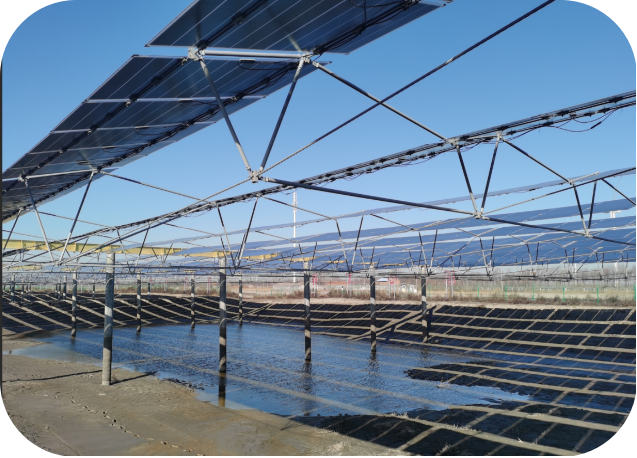
Companies today are increasingly leaning into cost-effective strategies not just as a means to trim budgets, but as powerful engines for market growth. By leveraging affordable technologies and streamlined processes, businesses can tap into new customer segments and regions that were previously out of reach due to high entry barriers. This approach allows firms to scale operations while maintaining competitive pricing, which in turn fosters broader adoption and customer loyalty.
Beyond simple cost-cutting, these solutions often involve innovative methods like sharing economy models, subscription-based services, or modular product designs that reduce waste and overhead. Such tactics enable companies to experiment with minimal risk, test markets quickly, and adapt offerings based on real-time feedback. This agility helps them stay ahead in fast-paced industries, turning frugality into a strategic advantage that drives sustained expansion.
Ultimately, the focus on affordability reshapes market dynamics by making high-quality products and services accessible to a wider audience. It encourages collaboration across sectors, as partnerships can lower costs and enhance value propositions. In this way, cost-effectiveness becomes a catalyst for inclusive growth, helping businesses not only survive but thrive in competitive landscapes.
Advanced Materials Enhancing Durability and Performance
In recent years, the development of advanced materials has revolutionized the way industries approach durability and performance challenges. By incorporating elements like graphene, carbon fiber composites, and self-healing polymers, these innovations not only extend the lifespan of products but also boost their efficiency under harsh conditions. For instance, in the automotive sector, lightweight yet robust materials are enabling vehicles to withstand extreme temperatures and impacts while improving fuel economy, demonstrating a clear leap forward from traditional steel and aluminum frameworks.
Beyond mechanical strength, advanced materials are designed with smart functionalities that actively enhance performance. Take shape-memory alloys or coatings with anti-corrosive properties, which adapt to environmental changes to prevent degradation over time. This proactive approach ensures that structures, from bridges to electronics, maintain their integrity longer, reducing maintenance costs and downtime. It's a shift from merely reacting to wear and tear to anticipating and mitigating it through material science breakthroughs.
Looking forward, the integration of nanotechnology and biodegradable composites is pushing boundaries further, creating materials that are both durable and environmentally friendly. These cutting-edge solutions are finding applications in areas like sustainable construction and medical devices, where long-term reliability is paramount. By fostering innovation that balances robustness with eco-consciousness, advanced materials are setting new standards, making them indispensable for a future focused on resilience and excellence.
Global Partnerships Fueling Technological Adoption
Global partnerships are not just facilitating technological adoption; they are actively reshaping industries by bridging gaps that individual entities cannot overcome alone. These collaborations, ranging from public-private initiatives to cross-border alliances, allow for the pooling of resources, expertise, and innovative ideas. They enable faster deployment of cutting-edge technologies, such as artificial intelligence and renewable energy systems, even in regions where infrastructure or funding might be limited. By leveraging collective strengths, partnerships help ensure that technological advancements are more widely accessible and tailored to diverse needs, ultimately fostering a more inclusive and interconnected global landscape.
What sets these partnerships apart is their ability to customize solutions based on local contexts, rather than imposing a one-size-fits-all approach. For instance, a partnership between a tech company and a nonprofit organization might focus on developing affordable solar-powered devices for rural communities, combining technological prowess with grassroots insights. This adaptability not only speeds up adoption but also builds trust and sustainability, as communities feel directly involved in the innovation process. It’s this hands-on, collaborative spirit that drives meaningful change and sets the stage for long-term success.
Beyond immediate benefits, global partnerships create a ripple effect that amplifies technological adoption over time. As organizations share successes and lessons learned, they inspire new collaborations and refine best practices, leading to a virtuous cycle of innovation. This dynamic environment encourages continuous learning and adaptation, ensuring that technology stays relevant and impactful. In essence, these partnerships are more than just a means to an end; they are catalysts for building resilient, tech-savvy societies ready to tackle future challenges together.
Sustainability Practices Shaping Industry Standards
Sustainability practices aren't just buzzwords anymore; they're transforming into the guiding principles that define industry standards across sectors. From manufacturing to finance, companies are realizing that eco-conscious approaches aren't just nice-to-haves but essential for long-term viability. This shift is reshaping how businesses operate, pushing them to incorporate green technologies, reduce waste, and prioritize ethical sourcing in ways that set new benchmarks for competitors to follow.
These evolving practices are influencing regulations and consumer expectations, creating a ripple effect that standardizes sustainability in supply chains. For instance, industries like fashion and construction now adopt circular economy models as norms, not exceptions, driven by both market demand and proactive corporate leadership. This isn't about ticking compliance boxes—it's about building resilient systems that balance profit with planetary health.
Ultimately, sustainability is becoming the new baseline for innovation, with industries collaborating to establish shared goals like carbon neutrality. By embedding these practices into core strategies, companies are not only meeting standards but redefining them, fostering a future where responsible practices shape every decision and drive collective progress.
Customer-Centric Approaches Tailoring Solar Solutions
When designing solar energy systems, a one-size-fits-all strategy often falls short because every client has unique energy needs and property constraints. Instead, our approach begins with a detailed consultation where we listen closely to your specific goals, whether you're aiming to slash utility bills, achieve energy independence, or reduce your carbon footprint. By analyzing factors like roof orientation, local weather patterns, and daily electricity usage patterns, we craft a personalized plan that maximizes efficiency and ensures the system aligns perfectly with your lifestyle. This initial step sets the foundation for a solution that feels tailor-made, rather than just another installation.
We believe in transparency throughout the process, keeping you informed at every stage—from initial design to final installation. Our team works closely with you to select the right solar panels, inverters, and storage options based on your budget and performance expectations, avoiding generic recommendations. For instance, if you have limited roof space, we might suggest high-efficiency panels, or if you experience frequent power outages, a battery backup system could be integrated. This hands-on collaboration ensures that the final setup not only meets technical specifications but also resonates with your personal priorities, making the investment feel worthwhile and hassle-free.
Beyond installation, our customer-centric philosophy extends to ongoing support and maintenance. We provide custom monitoring tools that let you track your energy production in real-time, along with personalized tips to optimize usage. By offering flexible financing options and tailored service plans, we ensure that solar energy remains accessible and beneficial long-term. Ultimately, it's about building a lasting relationship where your satisfaction drives our innovations, helping you harness the sun's power in a way that truly fits your life.
FAQ
Chinese companies lead through cost-effective manufacturing, rapid prototyping, and integration with digital technologies like IoT for smart energy management, enabling scalable and adaptable solutions.
They allow installation on diverse surfaces like curved roofs or uneven terrain, expanding solar use in urban and remote areas, thus boosting energy access and reducing reliance on fossil fuels.
Innovations include lightweight, durable materials resistant to weather, modular designs for easy assembly, and AI-driven optimization for maximum energy capture and system efficiency.
They focus on recyclable materials, energy-efficient production processes, and designs that minimize land use, aligning with global green initiatives to reduce carbon footprints.
Challenges include navigating international regulations, competing with established brands, and ensuring quality control while maintaining competitive pricing and fast delivery times.
A large-scale installation on warehouse roofs in Europe utilized Chinese systems for quick deployment and high energy yield, demonstrating reliability and cost savings for commercial clients.
They offer comprehensive support through local partners, online platforms for troubleshooting, and customized training, ensuring smooth implementation and long-term maintenance worldwide.
They are pioneering trends like integration with building materials (e.g., solar shingles), enhanced energy storage compatibility, and use of big data for predictive maintenance and performance analytics.
Conclusion
Flexible solar mounting systems represent a significant technological leap in renewable energy infrastructure, and Chinese companies are at the forefront of this innovation globally. By pioneering innovative designs that revolutionize solar installation, they have introduced modular and adaptable frameworks that simplify setup in diverse environments, from residential rooftops to large-scale solar farms. Coupled with cost-effective solutions, these advancements are driving market expansion worldwide, making solar energy more accessible and affordable for consumers and businesses alike. The integration of advanced materials further enhances the durability and performance of these systems, ensuring they withstand harsh weather conditions while maximizing energy output efficiency.
Chinese firms are also leveraging global partnerships to fuel technological adoption, collaborating with international stakeholders to refine and disseminate cutting-edge solar mounting solutions. Their commitment to sustainability practices is shaping industry standards, promoting eco-friendly manufacturing and reducing the carbon footprint of solar projects. Moreover, a customer-centric approach tailors solar solutions to specific needs, offering customized configurations that optimize energy production for individual clients. This holistic strategy—combining design innovation, economic viability, material science, international cooperation, environmental stewardship, and personalized service—positions Chinese companies as leaders in the global solar mounting industry, driving progress toward a greener future.
Contact Us
Contact Person: Simon
Email: [email protected]
Tel/WhatsApp: 8613672181100
Website: https://energetsolar.com/