

Eco-Friendly Fire Retardant Clothing: Merging Safety with Sustainability for a Greener Workplace
2026-07-20
Every workplace hazard demands reliable protection, but what if your safety gear could also protect the planet? Eco-friendly fire retardant clothing is rewriting the rules—combining advanced flame resistance with sustainable materials to keep workers safe without leaving a heavy environmental footprint. Brands like DROTEX are proving that you don’t have to choose between uncompromising safety and a greener future. As industries shift toward eco-conscious operations, this isn’t just a trend—it’s the next standard for responsible workplaces. Here’s what makes it a game-changer.
Safe, Sustainable, and Ready for Action
Every step of our process is engineered to protect both people and the planet without compromising on performance. We’ve stripped away unnecessary additives and embraced materials that meet the highest safety standards, so you can focus on the task at hand with complete peace of mind. It’s not just about checking a box—it’s about building trust into everything we make.
Sustainability runs deeper than sourcing responsibly; it’s woven into how our products are designed to last longer and waste less. From energy-efficient manufacturing to packaging that disappears back into the earth, we’re constantly raising the bar. The result is gear that doesn’t just sit on a shelf—it goes wherever you go, ready to tackle real challenges without leaving a trail of harm behind.
Being ready for action means more than rugged exteriors. Our creations are tested in conditions that mirror the chaos of everyday adventures, ensuring they respond when seconds count. Whether it’s the first light of dawn or a sudden downpour, this equipment rises to the occasion without missing a beat. No complicated prep, no gentle handling—just grab it and get moving.
How Green Chemistry Transforms Fire Protection
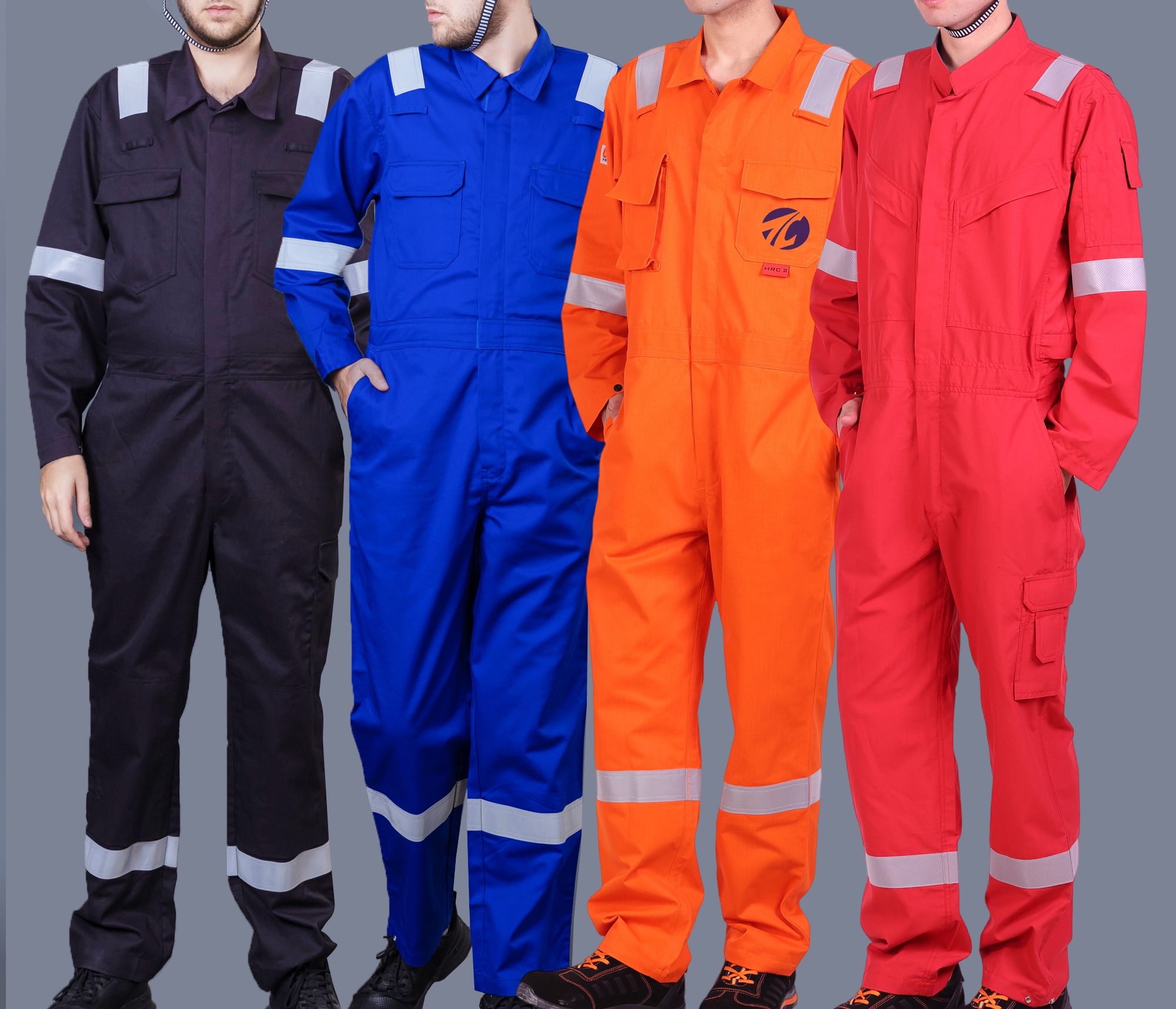
For decades, fire protection relied heavily on halogenated flame retardants and fluorinated foams that, while effective at suppressing flames, left a toxic legacy in ecosystems and human blood streams. Scientists are now rewriting the rulebook using green chemistry, designing molecules that stop fires without the persistent, bioaccumulative baggage. This shift is not just about swapping materials; it’s a fundamental rethinking of how chemistry can protect both lives and the planet.
Innovations include firefighting foams built on short-chain surfactants that break down quickly in soil, and reactive flame retardants that bond into polymers so they never leach out. Biobased intumescent coatings made from starch or lignin expand when heated to form a protective char, mimicking nature’s own carbon-rich barriers. Even water itself gets a makeover through "water mist" technologies that use less water and suppress fires without chemical additives, all guided by molecular-level insights into droplet size and distribution.
By embedding sustainability into the molecular design stage, green chemistry transforms fire protection from a trade-off between safety and environmental harm into a unified solution. Firefighters now use equipment that doesn’t contaminate groundwater, and electronics are safer without releasing dioxins when burned. The real transformation is cultural — proving that high performance and low impact can coexist, and that preventing a blaze shouldn’t ignite another crisis.
Performance Without the Plastic Footprint
Modern athletic gear often forces a trade-off: high performance or low environmental impact. But the latest wave of material science shatters that false choice, delivering elite responsiveness and durability without relying on virgin plastics. Through enzymatic recycling and plant-based polymers, components once dominated by petroleum derivatives now excel in moisture wicking, flexibility, and compressive support—proving that top-tier function can be inherently low-waste.
Brands are redesigning from the sole up, replacing synthetic foams with mushroom mycelium that rivals traditional cushioning in energy return. Knit uppers derived from recycled fishing nets and post-industrial cotton scraps match conventional yarns in tensile strength and breathability, while dope-dyeing techniques eliminate water-intensive finishing steps. The result is equipment that breaks personal records without breaking the planet’s cycles, leaving no trace of microplastic shedding during wear or wash.
This evolution extends beyond materials into manufacturing itself. Zero-waste pattern cutting, on-demand 3D knitting, and closed-loop take-back systems ensure that entire product life cycles are scrutinized. Athletes no longer have to compromise on speed, grip, or comfort to stand by their values—they can chase performance milestones knowing every seam reflects a commitment to eliminate plastic pollution at its source.
Dressed to Protect—Without Hurting the Planet
For decades, protective clothing meant tough, synthetic fabrics that could keep you safe but often came with a heavy environmental cost. Today, that’s changing. Designers are crafting gear from materials like recycled polyester, organic cotton blends, and even lab-grown leather that doesn’t compromise on durability or safety.
The shift isn’t just about swapping one material for another. New manufacturing processes reduce water waste and chemical runoff, while modular designs make it easy to repair or recycle garments instead of tossing them. It’s protective wear that’s built to last and built to minimize harm—to you and to ecosystems.
Whether it’s a weatherproof jacket or flame-resistant workwear, these pieces prove that safety and sustainability can go hand in hand. The best part? Wearing them feels good in more ways than one.
Meeting Safety Standards the Eco-Friendly Way
Achieving rigorous safety standards no longer demands compromising environmental responsibility. By leveraging advanced biodegradable materials and non-toxic manufacturing processes, products can meet or exceed industry regulations while leaving a lighter footprint. This approach not only protects users but also supports a healthier planet.
Innovative design plays a key role here—engineers are turning to renewable resources like bamboo fibers or recycled alloys that pass strict flammability, chemical, and mechanical tests. Closed-loop production systems further minimize waste, ensuring that every step from raw material to finished good upholds both safety and sustainability benchmarks.
The Real-World Benefits of Greener Gear
Swapping to eco-conscious equipment isn't just a moral win—it reshapes your daily experience. Forget the old assumption that sustainable means compromising on quality. Modern greener gear often incorporates smarter designs and longer-lasting materials that simply work better in the grind of everyday use. Fabrics that wick moisture naturally, soles made from recycled rubber that grip without fail, and packaging that doubles as functional storage actually make your life easier, not just cleaner.
There's a quiet confidence that comes with pulling out gear made with real care. It's not about broadcasting a message; it's about the subtle satisfaction of knowing your choices hold up to scrutiny. When a jacket can handle a sudden downpour and still pack down small, or a backpack survives years of rough commutes without a torn strap, that reliability shifts from a purchase to a trusted companion. The benefits pile up in small moments—no leaking bottles, no frayed straps, no gear failing when you need it most.
Beyond durability, greener gear often carries a story that adds texture to everyday adventures. Whether it's a sleeping bag filled with ethically sourced down or a bike built from reclaimed aluminum, these items connect you to a larger movement without the preaching. They become conversation starters, passport stamps of a more thoughtful lifestyle. In the end, the real payoff is gear that aligns with who you are without forcing you to choose between performance and principle.
FAQ
It typically comes down to the materials and manufacturing processes. Many eco-friendly options use organic or recycled fibers, like cotton grown without synthetic pesticides or polyester from recycled plastics. They also avoid harmful chemical flame retardants, opting for inherently flame-resistant fabrics or treatments that break down safely. The production often involves less water, lower emissions, and ethical labor practices, reducing the overall environmental footprint.
Safety isn't compromised because these garments undergo the same rigorous testing as conventional ones. They must meet standards like NFPA 2112 or EN ISO 11612. The flame resistance can be achieved through innovative fiber blends—for instance, modacrylics combined with lyocell—that naturally resist ignition without toxic coatings. Manufacturers focus on structural integrity, so the protection remains intact even after repeated industrial washes.
Beyond the obvious environmental benefits, it aligns with corporate sustainability goals and can improve a company's public image. Workers are increasingly aware of the products they use daily, and eco-friendly gear can boost morale and show genuine care for their well-being. In some regions, regulatory pressures are also shifting toward greener procurement, so adopting early can be a strategic advantage.
Not necessarily. Many sustainable options are actually more durable because they use high-quality longer-staple fibers or reinforced weaves. Some natural flame-resistant materials like wool have inherent longevity. However, it's important to check laundry care instructions, as some eco-treatments may require gentler washing to maintain their properties. Overall, a well-made eco-friendly garment can outlast cheaper conventional ones.
You'll often see blends of natural and synthetic fibers. Organic cotton, bamboo-derived viscose, and Tencel (lyocell) are popular for comfort and reduced pesticide use. For flame resistance, modacrylic, aramid (like Kevlar), and polyamide-imide are common, and some manufacturers use recycled versions. Wool is also a standout because it's naturally flame-resistant, renewable, and biodegradable.
Look for third-party certifications. Oeko-Tex Standard 100 verifies that no harmful chemicals are present. GOTS (Global Organic Textile Standard) covers organic fiber processing. Bluesign ensures resource-efficient and low-impact manufacturing. For recycled content, the RCS (Recycled Claim Standard) or GRS (Global Recycled Standard) are reliable. Ask suppliers for transparent lifecycle assessments and traceability documentation.
Absolutely. Many sustainable fibers are softer and more breathable than pure synthetics. For instance, Tencel wicks moisture better than standard cotton, and organic cotton feels less irritating. Design improvements also mean these garments are often lighter and ergonomically cut. Workers frequently report that modern eco-friendly options are more comfortable for long shifts, which can indirectly improve safety by reducing heat stress.
The upfront cost might be higher for eco-friendly pieces, but the total cost of ownership often favors them. They tend to last longer due to superior build and fiber quality, so replacement cycles are slower. You may also save on waste disposal fees if the garments are biodegradable or recyclable. Over a few years, a durable sustainable workwear program can be more economical than frequently replacing cheaper, less resilient items.
Conclusion
Eco-friendly fire retardant clothing represents a fundamental shift in workplace safety, where protection doesn't come at the expense of the environment. By harnessing green chemistry, manufacturers are replacing hazardous conventional flame retardants with bio-based alternatives derived from plant starches, chitosan, or even recycled agricultural waste. These innovations ensure that garments remain highly effective against heat and flames while eliminating persistent pollutants that accumulate in ecosystems. The result is gear that meets rigorous international safety standards—such as NFPA 2112 or EN ISO 11612—without relying on toxic additives. Workers can now perform in high-risk environments knowing their protective apparel won't leave a lasting chemical footprint long after its use cycle ends.
Beyond compliance, the real-world benefits are striking. Companies adopting these sustainable garments experience reduced worker exposure to irritants and carcinogens, contributing to healthier, more productive teams. At the same time, the shift away from synthetic, petroleum-based fibers like polyester slashes microplastic shedding and cuts down on landfill waste, as many eco-friendly options are designed for circularity or biodegradability. The lifecycle advantages extend further: lower water usage during production and a smaller carbon footprint align with corporate ESG goals. In essence, choosing greener fire-resistant clothing isn't just an ethical move—it's a practical one that combines durability, comfort, and uncompromised protection, proving that safety and sustainability can indeed go hand in hand in the modern workplace.
Contact Us
Contact Person: Sandy
Email: [email protected]
Tel/WhatsApp: 86150 8310 5120
Website: https://www.frdrotex.com