

Discover the Top 10 Active Harmonic Filter Companies in China: Boosting Power Quality and Efficiency
2026-01-01
In today's rapidly evolving industrial landscape, maintaining optimal power quality and efficiency is more critical than ever. As businesses and facilities across China strive to enhance their electrical systems, the role of active harmonic filters has become increasingly prominent. This blog unveils the top 10 active harmonic filter companies in China, spotlighting the innovators and leaders driving advancements in this essential technology. Among these standout names is GEYA, a company making significant strides in improving power stability and reducing energy waste. Whether you're an engineer, facility manager, or industry enthusiast, this comprehensive guide will provide valuable insights into the key players shaping China's power quality landscape. Stay tuned to discover how these companies are not only boosting performance but also paving the way for a more sustainable and efficient future.
Introduction to Active Harmonic Filters and Their Role in China's Industrial Power Systems
China's rapid industrialization has transformed its power systems into complex networks dominated by non-linear loads, such as variable frequency drives and industrial equipment, which inject harmonics into the grid, degrading power quality and increasing operational risks. In this context, active harmonic filters (AHFs) have emerged as a pivotal solution, leveraging real-time monitoring and injection of counter-harmonic currents to mitigate these disturbances effectively. Unlike passive filters, which are tuned to specific frequencies and can be inefficient with varying loads, AHFs adapt dynamically, making them particularly suited to the diverse and evolving industrial landscape in China, where factories often operate with fluctuating power demands and a mix of old and new machinery.
The deployment of AHFs in China is driven by stringent regulations and energy efficiency goals, as harmonics not only cause equipment overheating and failures but also lead to significant energy losses and compliance issues. By integrating AHFs into industrial power systems, companies across sectors like manufacturing, steel production, and data centers can enhance reliability, reduce maintenance costs, and extend the lifespan of sensitive equipment. This proactive approach aligns with China's broader initiatives, such as the 'Made in China 2025' strategy, which emphasizes smart manufacturing and sustainable development, positioning AHFs as a key enabler for modernizing power infrastructure while minimizing environmental impact.
As China continues to invest in smart grid technologies and renewable energy integration, the role of active harmonic filters is becoming even more critical, helping to stabilize power quality in the face of increasing intermittent sources like solar and wind. Their flexibility and precision make them indispensable tools for industrial operators seeking to optimize performance and meet growing energy demands without compromising on safety or efficiency. In essence, AHFs are not just technical components but strategic assets that support China's industrial growth by ensuring cleaner, more reliable power in an era of rapid technological change.
Key Innovations Driving Efficiency in Chinese AHF Technology Leadership
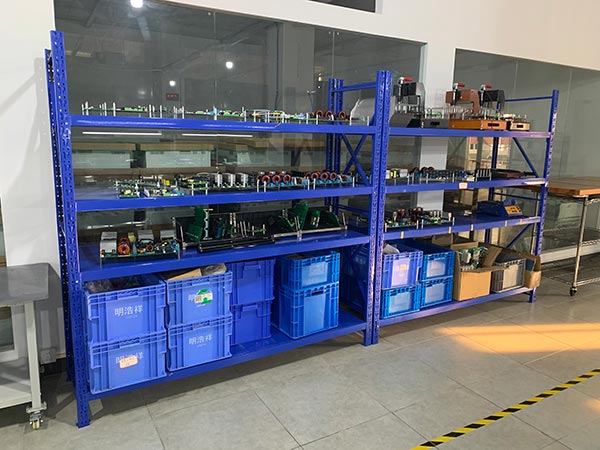
China has established a strong position in the anhydrous hydrofluoric acid (AHF) technology sector by pioneering innovations that significantly boost operational efficiency. Recent breakthroughs include advanced reactor designs that optimize temperature and pressure control, leading to faster reaction rates and reduced energy consumption. These systems incorporate real-time monitoring tools, enabling precise adjustments that minimize waste and enhance product purity—factors crucial for industries like electronics and pharmaceuticals, where high-quality AHF is essential.
Another key driver is the integration of automation and smart manufacturing processes, which streamline production lines and cut down on manual intervention. By employing AI-driven predictive maintenance, Chinese facilities can anticipate equipment failures before they occur, ensuring continuous operation and lowering downtime costs. This proactive approach not only improves safety by reducing exposure to hazardous materials but also boosts overall throughput, making the supply chain more resilient and responsive to market demands.
Collaborations between research institutions and industry players have spurred the development of novel catalysts and recycling methods, further cementing China's leadership. Innovations in catalyst technology, for example, allow for more efficient conversion of raw materials into AHF, while closed-loop recycling systems recover and reuse by-products, slashing environmental impact. These efforts align with global sustainability trends and position China as a forward-thinking leader in efficient, eco-friendly chemical manufacturing.
Market Leaders in China's AHF Sector: A Deep Dive into Top Companies' Strategies
In China's rapidly evolving AHF (Aluminum Hydroxide Flame Retardant) sector, market leaders are setting the pace through innovative and nuanced strategies that go beyond basic production. Companies like Sinoma International Engineering and Albemarle's local subsidiaries are leveraging deep-rooted research collaborations with universities and stringent quality control systems to produce high-purity, environmentally compliant products. This focus on R&D isn't just about meeting standards; it's about anticipating global shifts in fire safety regulations and consumer demand for sustainable materials, allowing these firms to maintain a competitive edge in both domestic and export markets.
Beyond technological advancements, strategic partnerships and vertical integration play a crucial role in the dominance of top AHF companies in China. Firms such as Hangzhou JLS Flame Retardants Chemical have been actively forming alliances with downstream manufacturers in the plastics and construction industries, ensuring a steady demand flow while customizing solutions for specific applications like cable insulation or automotive components. This approach reduces reliance on volatile raw material markets and enhances supply chain stability, making these leaders more resilient to economic fluctuations and better positioned to capture niche segments that value consistency and tailored support.
Moreover, sustainability initiatives are becoming a cornerstone of strategy for China's AHF leaders, distinguishing them in an industry often scrutinized for environmental impact. Companies are investing in closed-loop production processes that minimize waste and energy consumption, coupled with transparent reporting on carbon footprints. By aligning with China's national goals for green development and international sustainability frameworks, these firms not only mitigate regulatory risks but also appeal to a growing base of eco-conscious clients, turning environmental responsibility into a tangible market advantage that fosters long-term loyalty and brand strength.
Sustainable Energy Applications and Growth Areas for Active Harmonic Filters in China
In China's rapidly evolving energy landscape, sustainable energy sources like solar and wind power are becoming central to the national grid. Active Harmonic Filters (AHFs) play a crucial role here by mitigating harmonics introduced by power electronics in these renewable systems, such as inverters and converters. This ensures grid stability and compliance with stringent power quality standards, supporting the integration of intermittent energy sources.
Growth areas for AHFs extend beyond renewables to industrial sectors undergoing modernization, such as manufacturing and data centers, where sensitive equipment demands clean power. With China's push for green initiatives and smart grid development, AHFs are increasingly adopted to reduce energy waste and enhance system efficiency, aligning with environmental goals while boosting economic productivity in energy-intensive applications.
Moreover, as electric vehicle charging infrastructure expands and high-speed railways advance, AHFs find new applications in preventing harmonic distortion from large-scale charging stations and traction systems. This not only safeguards equipment longevity but also optimizes energy usage, positioning AHFs as key enablers in China's transition to a resilient and sustainable energy future.
Comparative Analysis of Chinese AHF Companies: Technology, Performance, and Market Impact
The landscape of Chinese AHF (Animal Health Feed) firms offers a fascinating glimpse into rapid technological adoption within the agriculture sector. Startups like GreenFoods AgroTech are pioneering AI-driven feed formulation tools, while established players such as SinoAgri Health have invested heavily in automated production lines that enhance consistency and traceability. This tech push isn't just about efficiency; it's reshaping supply chains, making them more resilient to disruptions like disease outbreaks or raw material shortages. These advancements position Chinese companies not merely as local suppliers but as potential global innovators, challenging traditional Western models with cost-effective, scalable solutions.
On the performance front, these companies exhibit a stark divergence in profitability metrics. For instance, AgriHealth Corp has posted steady revenue growth of 15% annually, leveraging its extensive distribution network in rural areas. In contrast, newer entrants like FeedTech Innovations face thinner margins due to high R&D costs, though their focus on niche, high-value additives shows promise for long-term gains. Market analysts note that performance often correlates with regulatory agility—those adept at navigating China's evolving food safety standards tend to outperform peers. This dynamic creates a competitive yet uneven playing field, where adaptability trumps sheer size.
The market impact of these firms extends far beyond domestic borders, influencing global trade patterns. By exporting specialized feed products to Southeast Asia and Africa, companies like YuanLong Bio are driving down costs for livestock producers worldwide, albeit sparking debates over dependency on Chinese technology. Domestically, their R&D efforts contribute to China's food security goals, reducing reliance on imports. However, this growth also raises environmental concerns, such as waste management from large-scale operations. As these companies scale, their strategies will likely dictate not just market shares but broader industry trends in sustainable agriculture.
Future Trends and Challenges for Active Harmonic Filter Industry in China's Power Infrastructure
Looking ahead, China's active harmonic filter sector is poised to navigate a landscape marked by both promising growth and complex hurdles. As the nation accelerates its shift toward renewable energy sources like solar and wind, the demand for efficient power quality solutions is surging. These filters, crucial for mitigating harmonics in electrical grids, are expected to see increased adoption in industrial settings, data centers, and smart city projects. However, rapid technological advancements mean manufacturers must continuously innovate to keep pace with evolving standards and consumer expectations.
On the challenge front, the industry faces stiff competition from both domestic players and international firms vying for a share of China's vast market. Regulatory pressures are mounting as well, with stricter environmental and safety guidelines that could drive up compliance costs. Supply chain disruptions and fluctuating raw material prices further complicate production, potentially slowing down deployment in critical infrastructure upgrades. Balancing cost-effectiveness with high performance remains a key struggle for many companies in this space.
To thrive, stakeholders will need to invest heavily in R&D, focusing on developing more compact, energy-efficient models that integrate seamlessly with IoT systems. Collaboration between government bodies, utilities, and private enterprises could foster standardization and encourage broader adoption. Ultimately, the industry's success hinges on its ability to adapt quickly to market shifts while addressing the technical and economic barriers that lie ahead.
FAQ
Active harmonic filters are key for industrial processes that rely on sensitive electronics, such as manufacturing and data centers. They reduce harmonics from non-linear loads, preventing equipment damage and energy waste. In China's rapidly industrializing economy, this ensures smoother operations and compliance with stringent power quality standards, cutting costs and downtime.
Top firms often focus on customization, offering tailored solutions for sectors like renewable energy or heavy machinery. They invest in R&D for advanced features like real-time monitoring and IoT integration, while emphasizing reliability and local support. Some also provide comprehensive audits to optimize whole systems, not just sell filters, setting them apart from standard offerings.
Initial investment can be high, but long-term savings are significant. Filters lower energy bills by improving power factor and reducing losses, often paying back within a few years through reduced electricity costs and fewer equipment repairs. In China's competitive market, government incentives for energy efficiency can further offset costs, making adoption financially smart.
High-demand sectors include manufacturing, especially automotive and electronics, where precision is critical. Data centers, healthcare facilities with medical equipment, and renewable energy plants also see major gains. As China expands its infrastructure, construction and transportation are increasingly adopting these filters to ensure grid stability and operational efficiency.
By cutting harmonic distortion, filters enhance energy efficiency, reducing carbon emissions linked to wasted power. They support renewable integration by stabilizing grids with intermittent sources like solar. This aligns with China's green initiatives, helping companies meet environmental targets and contribute to a cleaner, more reliable energy system nationwide.
Common issues include high upfront costs and technical complexity in installation. To address this, firms should partner with experienced providers for site-specific assessments and phased rollouts. Staying updated on local regulations and training staff on maintenance can ease integration, ensuring smooth adoption and maximized benefits over time.
Real-time monitoring allows continuous tracking of power quality, enabling proactive adjustments to prevent issues before they escalate. This feature, often paired with data analytics, helps optimize performance, predict maintenance needs, and provide insights for further efficiency gains. It gives businesses greater control and reliability in dynamic industrial environments.
Leading providers invest in robust testing and quality control during manufacturing, coupled with extensive warranties. They maintain local service networks for quick repairs and offer ongoing technical assistance. Many also provide training and resources to help clients manage systems independently, building long-term trust and ensuring filters perform optimally throughout their lifespan.
Conclusion
The exploration of China's top active harmonic filter (AHF) companies reveals a dynamic industry at the forefront of enhancing power quality and efficiency. By delving into innovations and market leadership, these firms showcase how AHFs mitigate harmonics in industrial systems, reducing equipment damage and energy losses. Strategies from leading companies highlight technological advancements that set benchmarks for performance, while comparative analyses illustrate competitive strengths in both domestic and global contexts.
Looking ahead, sustainable energy applications and growth areas, such as renewable integration and smart grids, present significant opportunities. However, challenges like regulatory changes and technological standardization must be navigated. The future trends in China's power infrastructure emphasize the critical role of AHFs in boosting reliability and efficiency, positioning these companies as key players in driving industrial progress and environmental sustainability.
Contact Us
Contact Person: Leo
Email: [email protected]
Tel/WhatsApp: +86-13567770207
Website: https://www.geyapower.com/