

Chinese Traceability Coding Machine: Unlocking End-to-End Product Visibility
2026-05-22
In an era where supply chains span continents and consumers demand complete transparency, traditional tracking methods are failing to keep up. That’s where the Chinese traceability coding machine steps in—a game-changer that delivers seamless, end-to-end product visibility. Imagine knowing every twist and turn of your product’s journey, from raw material to retail shelf, with just a scan. At the heart of this revolution is Danmajet, whose cutting-edge technology is rewriting the rules of traceability. But how exactly do these machines turn complex logistics into a simple, foolproof story? The answer might just redefine your expectations of supply chain integrity.
Peeling Back the Layers of Traceability Tech
At a cursory glance, traceability may seem like a straightforward ID-and-scan operation—stick a barcode on a box and call it a day. But peel back the first layer and you quickly discover it’s more akin to an iceberg. Beneath that humble label lies a labyrinth of data capture methods, verification protocols, and integration touchpoints that stretch from raw material sourcing to the last-mile delivery. Each node in the chain introduces its own nuance: GS1 identifiers might govern pallet-level movements in one phase, while IoT sensor feeds track temperature excursions in another. The real craft is stitching these disparate signals into a single, auditable thread that holds up under scrutiny.
Dig deeper and you hit the connective tissue of the system—the middleware and APIs that shuttle data between ERP platforms, quality management systems, and third-party logistics providers. This layer rarely gets the spotlight, yet it’s where traceability quietly succeeds or fails. If the handshake is brittle, you get gaps; if the mapping is off, a lot number can point to the wrong harvest batch. The most robust setups treat this layer as a living map, updated not just with transactional data but with contextual clues—geolocation, handler certifications, even weather patterns—so that a simple recall query can pull up a rich, almost forensic picture. It’s the difference between knowing where a product has been and understanding the conditions that shaped its journey.
The final, often overlooked layer is the human one—how workers at each stage interact with the technology. Fancy blockchain anchors and AI-driven alerts mean little if a warehouse picker skips a scan because the handheld device feels clunky, or if a grower mistypes a date because the interface doesn’t respect their workflow. Real-world usability turns traceability from a compliance checkbox into an organic part of daily operations. That’s why forward-thinking implementations obsess over minimal-clicks data entry, voice-guided logging in cold storage, or passive RFID gates that eliminate manual steps altogether. When you peel all the way back, you see that the tech stack is just a scaffold; the true traceability triumph lies in making that scaffold nearly invisible to the people who use it.
The Supply Chain’s New Best Friend
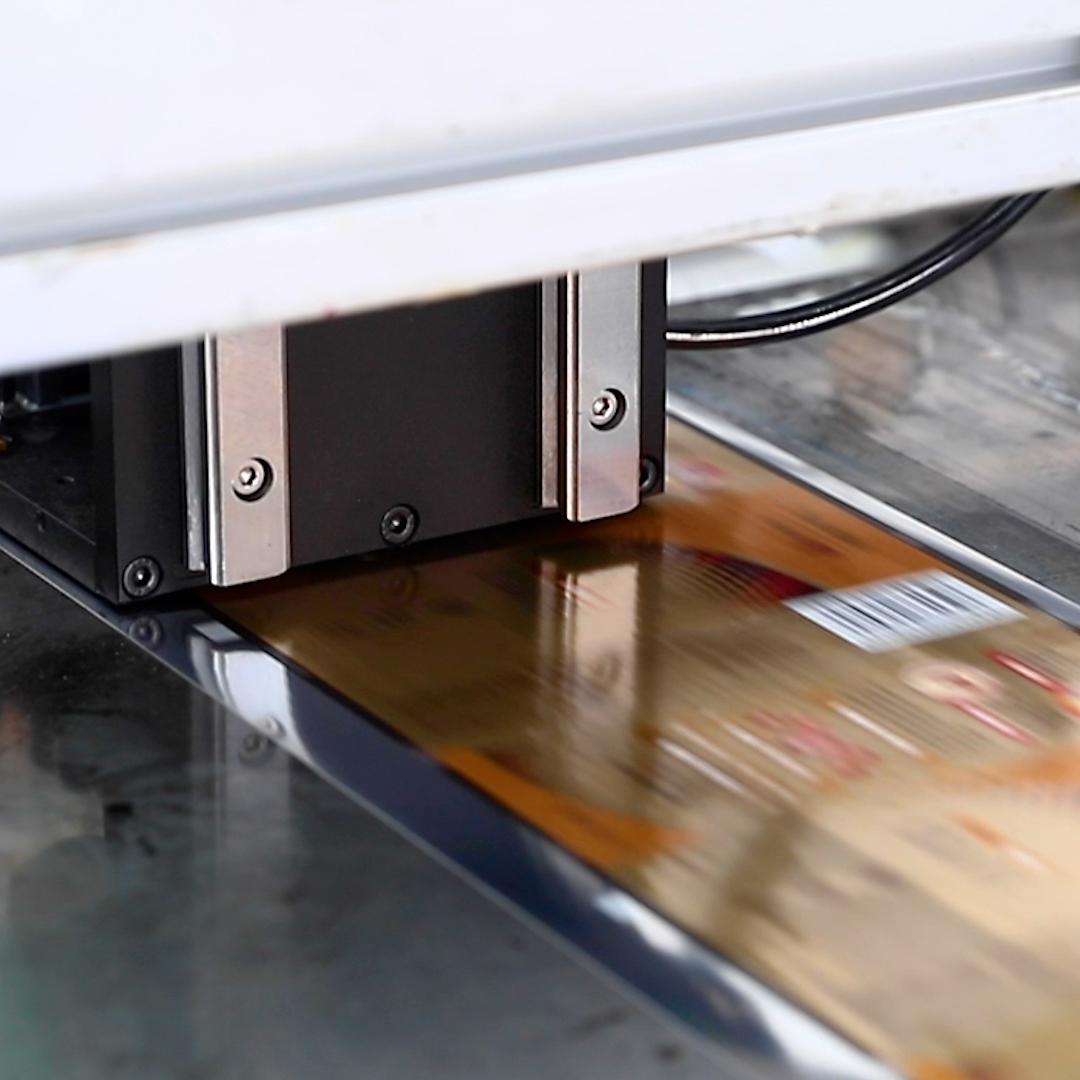
It’s not a robot, a piece of software, or even a single breakthrough invention—it’s the mindset shift toward real-time visibility that’s quietly reshaping how goods move across the globe. For years, supply chain managers relied on static spreadsheets and delayed reports, chasing problems after they’d already spiraled. Now, a new ally has stepped into the picture: data that’s live, contextual, and actually usable. This friend doesn’t just highlight that a shipment is late; it tells you why, predicts the ripple effects, and nudges you toward a smarter reroute before the customer ever notices. It’s the difference between driving with a foggy windshield and having a clear, heads-up display that shows every curve ahead.
What makes this companion so powerful is its ability to bridge gaps that have plagued logistics for decades. Think about the classic disconnect between a warehouse manager watching inventory dwindle and a procurement team that’s unaware until an order fails. That’s where this friend works behind the scenes, connecting dots in milliseconds—linking weather patterns to shipment delays, or sensing a supplier’s production hiccup and automatically adjusting safety stock levels. It doesn’t replace human intuition; it amplifies it, turning gut feelings into informed decisions. The result? Less firefighting, more strategic planning, and a resilience that feels almost effortless.
Yet, adopting this new ally isn’t about throwing technology at every problem. It’s about cultivating a culture that trusts the signals and acts on them. Companies that treat this as just another tool often end up with fancy dashboards nobody uses. The real magic happens when teams start collaborating differently—sharing live updates across departments, breaking down silos that once seemed immovable. It’s a partnership where the technology learns from human feedback, and humans learn to lean into the insights it provides. In a world where disruption is the only constant, this silent sentinel is proving that the best friend a supply chain can have is one that never sleeps, never forgets, and always has your back.
Where Product Origins Meet Digital Truth
Every product carries a story, but too often the journey from raw material to finished good is hidden behind a tangle of paperwork and half-truths. We cut through that fog by connecting physical origins directly to an unalterable digital record. It’s a way of knowing, without doubt, where things come from—and proving it to customers who no longer trust glossy marketing alone.
The result is a new kind of honesty in the supply chain. Instead of claims that can’t be verified, you get a shared ledger that everyone can inspect but no one can quietly rewrite. This isn’t about buzzwords; it’s about closing the gap between the field, the factory floor, and the store shelf. When origin stories are anchored to facts, brands build loyalty on something more lasting than promises.
In a market flooded with vague ethical labels, we let products speak for themselves. A scan of a code reveals the same truth a farmer, a manufacturer, and a retailer all agreed on—a permanent link between the object in your hand and its past. That turns transparency from a buzzword into a daily practice.
Breaking Down the Coding Process
Every program starts as a jumble of ideas, and the first real step is to untangle them. I find it helps to scribble out a rough plan on paper or a whiteboard, mapping what the code should actually accomplish. This isn't about syntax or structure yet—it's about clarifying the problem. Once the goal feels concrete, I begin breaking it into smaller, more manageable tasks. Each task becomes a stepping stone, and I treat them like miniprojects, which makes the whole process feel less overwhelming.
When I finally sit down to write the code, I focus on one task at a time. I'll draft a function or a module, test it in isolation, and only move on once it works reliably. This method prevents the codebase from turning into a tangled mess where bugs hide in unexpected corners. I also lean heavily on version control, not just to save progress but to experiment freely. If a new approach fails, I can easily roll back without losing the parts that actually worked.
After the core features are in place, I step back and review the whole system. This is where I tighten the logic, remove redundancies, and refactor anything that looks clunky. Sometimes I'll delete and rewrite entire sections if they don't feel right. The goal isn't perfection from the start—it's to keep reshaping until the code feels clean and almost obvious. That, to me, is when the coding process really clicks.
Lessons from China’s Manufacturing Powerhouses
China’s manufacturing dominance didn’t emerge from low wages alone—it’s rooted in tightly integrated supply chains that turn raw materials into finished goods within a single industrial cluster. In cities like Shenzhen and Dongguan, component suppliers, assemblers, and logistics providers sit within a few kilometers of each other, slashing lead times and enabling rapid prototyping. This proximity creates a feedback loop where design tweaks happen overnight, not over weeks. For any company looking to emulate this model, the takeaway is clear: co-locate your critical suppliers and foster real-time collaboration rather than chasing the lowest labor cost.
Another underappreciated lesson is the relentless focus on incremental process improvement. While the West often glorifies breakthrough innovation, Chinese factories excel at shaving seconds off assembly steps, reducing material waste by fractions of a percent, and optimizing production flow daily. This isn’t about flashy automation; it’s about empowering frontline workers—often with minimal formal education—to spot inefficiencies and refine their own workflows. The cultural emphasis on pragmatic tinkering, combined with performance metrics tied to micro-efficiencies, creates a compounding advantage that can outpace even heavily capitalized competitors.
Finally, the speed of scaling in China’s manufacturing ecosystem is a direct result of institutional flexibility. Local governments frequently act as partners, offering expedited permits, temporary tax breaks, and dedicated industrial parks for specific sectors. Factories can expand production lines in weeks rather than months, supported by a dense network of equipment vendors who own the tooling outright and lease it to manufacturers. This asset-light scaling approach allows firms to pivot capacity toward new products without the burden of owning every machine—a lesson in agility that many developed economies struggle to replicate.
Beyond the Barcode: What Comes Next
The familiar beep of a barcode scan has been the rhythm of retail for decades, but its limitations are becoming harder to ignore. A simple linear barcode can only encode a handful of digits, acting as a key to a static database entry rather than a rich information carrier. As supply chains grow more complex and consumer expectations for transparency rise, the industry is shifting toward smart labels and data-rich identifiers that can tell a product's whole story—from origin to shelf—without relying on a central lookup.
Emerging technologies like RFID and NFC are quietly reshaping how we interact with everyday items. Unlike a barcode that demands a direct line of sight and one-at-a-time scanning, these tags can be read in bulk, carry dynamic data, and even communicate with smartphones for interactive experiences. Imagine tapping your phone on a shirt tag to see its full journey from raw material to finished garment, or a grocery store shelf that instantly updates inventory without manual counting. This isn't just an upgrade—it's a fundamental rethink of how physical products connect to the digital world.
Beyond retail, the next generation of identifiers is enabling a circular economy by embedding reuse and recycling instructions directly into products. Watermarks invisible to the eye but detectable by cameras can sort packaging waste more efficiently, while blockchain-linked identifiers can verify ethical sourcing or carbon offsets. The barcode gave us efficiency; what comes next gives us context, connection, and a whole new layer of intelligence woven into the physical things around us.
FAQ
It's a specialized device used in manufacturing and packaging lines to print unique codes—like QR codes or batch numbers—on each product. These codes link to a digital record that tracks the product from raw materials to the end consumer, giving stakeholders real-time insight into its journey.
It's making waves in food and beverage, pharmaceuticals, electronics, and luxury goods. In these sectors, verifying authenticity, monitoring freshness, or tracking recalls is critical—traceability coding turns each item into a carrier of trust, not just a product.
High-speed, high-resolution printing that stays legible even on tricky surfaces, combined with anti-counterfeit measures like micro-text or color-shifting inks. They often integrate directly with cloud platforms, enabling live data sharing without manual intervention.
Beyond recall management, it cuts down on gray market leakage, simplifies compliance reporting, and even boosts consumer engagement. When a customer scans a code and sees a product's entire backstory, it often leads to higher brand loyalty and repeat purchases.
The biggest hurdles are usually integrating with legacy production lines and training staff. The solution often lies in modular hardware designs that retrofit onto existing conveyors, plus intuitive software interfaces that require minimal training—many providers now offer on-site setup support.
Absolutely. Modern machines can print unique codes that serve a dual purpose—each one both authenticates the product and opens a personalized digital experience for the shopper, such as a tailored discount or loyalty reward. The data governance behind it ensures the code remains secure and one-time-use only.
They act as a universal passport for products. With a scanned code, customs officials, distributors, and end buyers can instantly verify origin, certifications, and shipping history, reducing delays and building confidence in markets where product provenance is a top concern.
Conclusion
China’s traceability coding machines are reshaping how we track products by embedding digital identities directly into items during production. Instead of relying on slapped-on labels, these systems use laser etching or inkjet printing to apply unique codes at high speed, creating an unbreakable link between physical goods and their data. It’s a blend of precision engineering and smart software that pulls back the curtain on a product’s entire journey—from raw material batch to factory floor timestamp. For supply chain managers, this isn’t just about compliance; it’s like having a tireless assistant that flags bottlenecks, verifies authenticity, and keeps inventory honest without manual checks. The technology thrives on granularity: a single code can carry details about origin, handling, and even the machine operator’s shift, making every product a self-reporting unit in a vast logistical network.
Walk through a manufacturing hub in Guangdong or Zhejiang, and you’ll see these coders working in tandem with automated gluing systems and conveyor belts, turning out consumer goods that arrive in stores with verifiable backstories. Chinese factories didn’t just adopt traceability—they pushed it forward, learning hard lessons from counterfeiting risks and export demands that forced them to lock down data integrity at every step. Now, their approach is moving beyond simple barcodes: QR matrix codes loaded with tamper-proof information, coupled with blockchain anchors, are turning products into digital passports. The next wave isn’t about slapping on more identifiers but embedding intelligence into the code itself—think dynamic updates that reflect temperature exposure or ownership changes. For global brands, plugging into this ecosystem means visibility that stretches from a component’s source in Asia to a consumer’s recycling bin, all triggered by a humble string of inked cells.
Contact Us
Contact Person: Jacky
Email: [email protected]
Tel/WhatsApp: 086 15000607053
Website: https://www.danmajet.com