

China Screw Air Compressor: Driving Efficiency in Modern Industry
2026-07-14
In today's fast-paced industrial landscape, efficiency isn't just a goal—it's the backbone of profitability. From automotive assembly lines to food processing plants, the demand for reliable compressed air solutions has never been higher. Yet, many operations still grapple with energy waste, downtime, and soaring operational costs. That's where advanced screw air compressor technology steps in, reshaping how modern industries manage their most critical utility. At the forefront of this shift is Seize Air, delivering not just machinery but a smarter path to productivity. But what truly sets a high-performance screw air compressor apart in a crowded market? And why are more enterprises turning their attention to the nuances of rotor design, variable speed drives, and intelligent controls? In this blog, we dive into the mechanics, the myths, and the measurable gains that are driving the new era of industrial efficiency—and how the right choice can redefine your bottom line.
Precision Engineering for Peak Energy Conservation
Every micron of alignment and every material choice directly affects how much energy a system wastes as heat, vibration, or friction. Precision engineering targets these losses at their source—whether it’s in the tooth profile of a gear pair, the concentricity of a rotor, or the flatness of a sealing surface. By narrowing tolerances to the functional sweet spot, we avoid the twin penalties of over-engineering with excess weight and under-engineering that breeds parasitic drag. The result is a machine that converts input power into useful work with an efficiency that off-the-shelf components rarely approach.
What sets this approach apart is not tighter tolerances alone, but the integration of real-world load dynamics into the design phase. Rather than assuming static, ideal conditions, we map the full duty cycle—start-up surges, thermal expansion, cyclic fatigue—and let those patterns dictate the geometry. A bearing race, for instance, might be micro-textured to retain lubricant only where high-shear moments actually occur, not across the entire surface. Such deliberate asymmetries trim energy drain without sacrificing reliability, often extending service intervals as a side benefit.
In operation, the gains compound. Motors tuned to their driven loads sip rather than gulp electricity; fluid pathways honed to discourage turbulence lower pumping costs; assemblies that need no break-in period avoid the wasteful bedding-in losses. These aren't one-off gains—they propagate through the entire lifecycle, from reduced peak loads on upstream transformers to quieter, cooler-running floors. When precision is treated not as a cost driver but as an energy strategy, the line between mechanical design and energy conservation disappears.
Smart Integration Minimizes Downtime and Maximizes Output
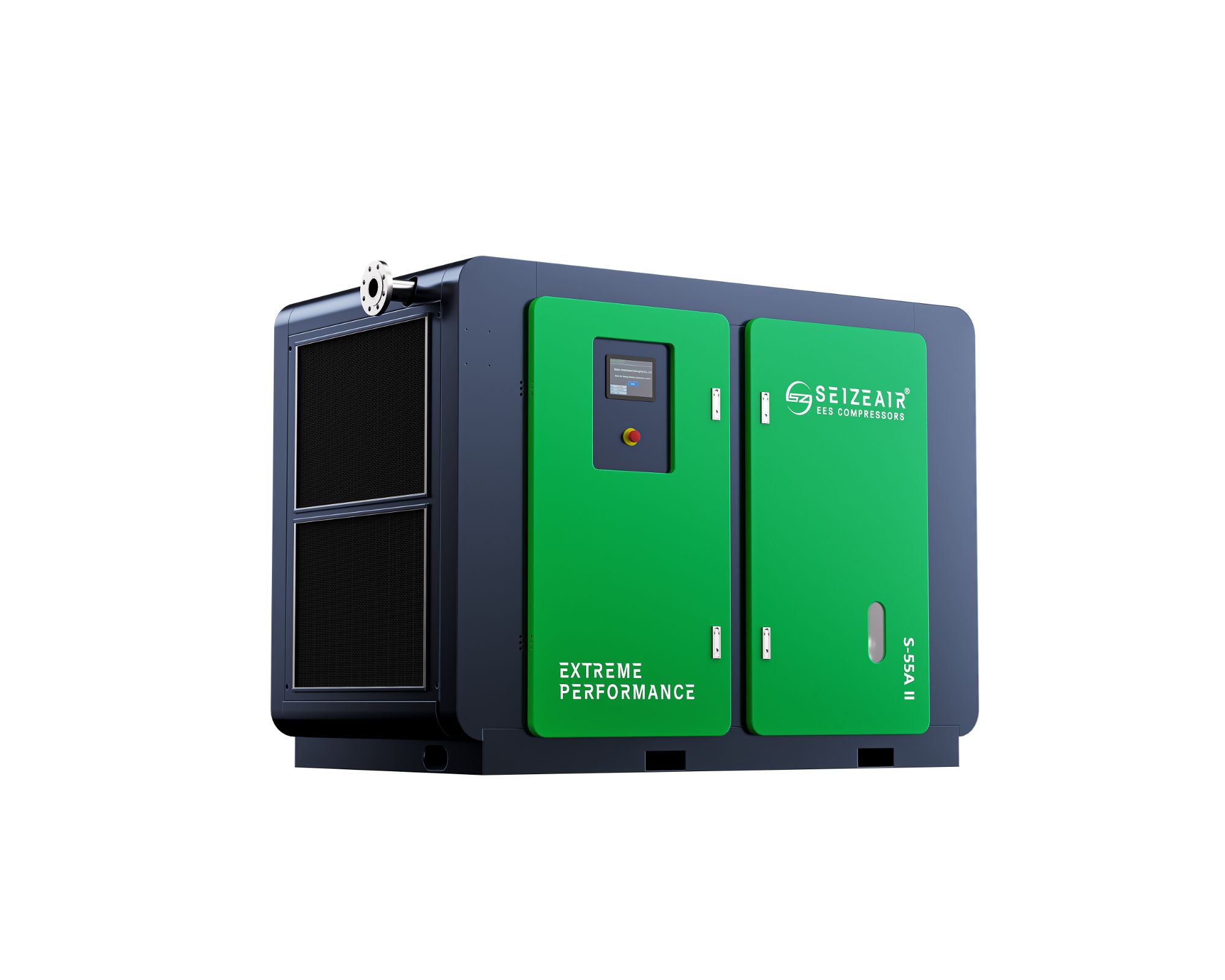
In modern manufacturing, the line between success and failure often comes down to how quickly systems adapt to change. Smart integration links machines, software, and human insight into a cohesive network that spots snags before they snowball. When a sensor detects a slight vibration anomaly in a conveyor motor, the integrated platform not only alerts the maintenance team but also automatically reroutes production to a parallel line, keeping output steady while the issue is addressed in minutes rather than hours.
This approach turns traditional troubleshooting on its head—downtime becomes increasingly rare because problems are caught at their earliest whispers. Data streams from multiple points are woven together, creating a transparent view of the entire operation. Instead of relying on scheduled shutdowns or reacting to alarms, the system continuously fine-tunes itself, adjusting speeds, temperatures, and material flows in real time to avoid bottlenecks. The result is a plant that almost breathes, expanding and contracting its capabilities dynamically to meet demand without sacrificing quality.
The impact on output is tangible: lines that once ran at 80% capacity now consistently hit 95% or more, not through forced acceleration but through the elimination of micro-stoppages and the smoothing of transitions between batches. Operators spend less time firefighting and more time improving processes, while predictive algorithms learn from every cycle, making the next one even more efficient. This silent orchestration doesn't just minimize downtime—it redefines what uptime can achieve, creating a production rhythm that feels less like a machine and more like a well-conducted symphony.
Adaptive Performance Across Diverse Industrial Landscapes
Industrial environments rarely unfold according to a single script. From the volatile temperatures of a foundry floor to the sterile precision of a pharmaceutical cleanroom, each setting imposes its own rhythm, its own constraints on machinery and human operators alike. What works flawlessly in one context may stumble in another, not because of inherent flaws, but because performance is never static—it bends under the weight of ambient noise, material viscosity, and shifting operator expertise.
True adaptability means reading these invisible currents and adjusting without waiting for a manual override. It shows up when a robotic arm compensates for unexpected vibration in real time, or when a quality-control algorithm softens its criteria for a batch of raw material that arrived slightly out of spec, while still safeguarding the final product. This isn't about pre-programmed flexibility; it's about a deeper, learned responsiveness that treats variation as a feature, not a fault.
The result is a kind of operational fluidity that allows the same core system to thrive in a high-mix, low-volume workshop just as naturally as it does on a continuous production line. Rather than demanding environments conform to the technology, the technology conforms to them—quietly learning the local dialect of each sector, whether automotive, electronics, or food processing. This silent translation between worlds keeps throughput steady and decisions confident, even when every day on the factory floor writes its own rules.
Built to Last: Robust Design for Harsh Operating Conditions
Engineering equipment for relentless environments demands more than just heavy-duty materials—it requires a philosophy where every component is scrutinized for its ability to endure. From the initial sketches, we prioritize stress distribution, thermal management, and corrosion resistance, ensuring that the final product doesn't just survive but thrives under extreme pressure, temperature swings, or abrasive dust. This isn't about overbuilding; it's about smart reinforcement at critical junctions, where failures are most likely to occur, turning potential weaknesses into pillars of reliability.
Our enclosures and casings are forged from marine-grade alloys and high-impact polymers, treated with coatings that repel moisture and resist UV degradation. Sealing systems employ labyrinthine gaskets and welded seams that keep out contaminants without sacrificing access for maintenance. Every joint and fastener is torqued to specifications that account for vibration fatigue, and internal components are potted or shock-mounted to dampen the rattle of constant motion. The result is gear that shrugs off the kind of punishment that sidelines lesser machines.
Validation goes beyond standard certification; we subject prototypes to accelerated life testing that mimics decades of abuse in weeks. Salt-spray chambers, thermal shock cycles, and random vibration tables expose latent flaws until nothing remains but a quiet confidence in the design. It's an iterative process where each failure teaches us how to build the next generation even tougher. When you deploy equipment into the field, you need to know it will work the first time, every time, without excuses. That's what this approach delivers.
The Silent Shift to Oil-Free and Low-Noise Solutions
Industries that once tolerated the hum and haze of oil-lubricated machinery are quietly turning a corner. The shift isn't loud or sudden—it's a steady migration toward systems that run clean and whisper-quiet. In factories, labs, and even hospitals, the old guard of compressors and vacuum pumps is being replaced by oil-free and low-noise alternatives. These solutions don't just meet tighter environmental regulations; they reshape how workspaces feel and function, cutting through the background drone that workers have learned to ignore.
What’s driving this change? Partly, it's about precision. Oil-free technology eliminates the risk of contamination in sensitive processes—think pharmaceutical production or semiconductor fabrication, where even a microscopic droplet can ruin a batch. But there's also a human factor. Noise pollution isn't just a nuisance—it raises stress levels, hampers communication, and over time, erodes hearing. By slashing decibel outputs, these next-generation machines let conversations flow and alarms stay audible, making the floor safer and more productive without a single sign needing to remind people to wear ear protection.
Yet the most compelling reason might be simpler: maintenance. Without oil to change, filters to swap, or condensate to dispose of, the operational cost drops and up-time climbs. Combine that with a smaller footprint and the absence of oily rags, and it’s easy to see why plant managers are making the switch silently, one unit at a time. It’s not a revolution declared with fanfare—it’s an evolution that leaves behind a cleaner, quieter legacy.
Cost-Effective Air Supply Without Compromising Quality
Achieving reliable air supply without overspending often comes down to system design rather than just component price. Many facilities over-specify their compressors, leading to higher capital and energy costs. By right-sizing equipment to match actual demand—and incorporating variable speed drives where loads fluctuate—you maintain consistent pressure and purity while cutting electricity bills significantly. Regular leak audits are another low-investment tactic: a single 3 mm hole can waste thousands of dollars annually, and fixing it costs next to nothing.
Filtration and drying stages are frequently treated as cost centers, yet skimping here degrades air quality and damages downstream tools. Advances in membrane dryers and high-efficiency coalescing filters now offer drying and contaminant removal with lower pressure drops and maintenance intervals. Pairing them with a properly sized storage receiver smooths out demand spikes, preventing the compressor from short-cycling and reducing wear. This integrated approach delivers instrument-grade air without the premium price tag of point-of-use dryers scattered across the floor.
Smart monitoring transforms how maintenance teams manage costs. Installing flow meters and dew point sensors on key branches reveals hidden consumption patterns and early signs of filter loading. Instead of changing elements on a calendar schedule, condition-based replacements extend service life and prevent unscheduled downtime. One automotive plant cut its compressed air energy use by 18% simply by acting on trending data—proving that visibility, rather than heavy investment, often unlocks the biggest savings while keeping quality parameters rock solid.
FAQ
Screw compressors use a continuous rotary motion that minimizes energy waste during operation. With advanced rotor profiles and variable speed drives, they adjust output to match demand, reducing power consumption by up to 30% compared to fixed-speed models.
China combines mature manufacturing capabilities with rigorous quality control and competitive pricing. Many factories hold international certifications like CE and ISO, and they benefit from integrated supply chains that lower costs without sacrificing performance.
They are essential in sectors like automotive, food and beverage, pharmaceuticals, and textiles. Any operation requiring reliable compressed air for pneumatic tools, packaging, or assembly lines gains from their steady flow and durability.
They are built with heavy-duty bearings, efficient cooling systems, and corrosion-resistant components. Intelligent controllers monitor temperature, pressure, and humidity, enabling stable performance even in dusty or high-moisture environments.
Regular oil and filter changes, checking belt tension, and cleaning coolers are crucial. Predictive maintenance sensors now alert operators to wear before breakdowns, slashing downtime and repair costs.
Absolutely. Many models feature IoT connectivity that feeds real-time data into plant management systems. This allows remote monitoring, performance analytics, and automated adjustments, aligning with Industry 4.0 initiatives.
The air-end is the heart of the machine. Optimized rotor geometry and precision machining reduce internal leakage and friction, directly improving specific power and ensuring consistent discharge across load profiles.
Manufacturers adhere to strict local and global standards such as GB/T, CE, and ASME. Compliance drives advances in energy efficiency, noise reduction, and safety features, making the equipment suitable for export markets.
Conclusion
China's screw air compressor sector is redefining industrial efficiency with a sharp focus on precision engineering that dramatically lowers energy consumption. Through meticulously machined rotors and advanced sealing technologies, these machines maintain peak volumetric efficiency across varying loads, ensuring that every kilowatt of electricity translates into useful compressed air. This conservation ethos is matched by intelligent control systems that monitor and adjust operational parameters in real time, slashing both power waste and unplanned downtime. The ability to preemptively detect wear and schedule maintenance keeps production lines humming while data-driven insights continuously optimize the air supply to match fluctuating demand, turning what was once a brute-force utility into a finely tuned asset.
Beyond the compressor room, these units demonstrate remarkable adaptability, from dusty mines and humid textile mills to sterile pharmaceutical facilities. Rugged frames, corrosion-resistant components, and effective cooling enable reliable performance in harsh settings that would cripple lesser machinery. Simultaneously, the industry's pivot to oil-free and low-noise designs is opening doors in sensitive environments while contributing to cleaner, quieter workplaces. This evolution does not come at the expense of affordability: China's manufacturing scale and supply chain mastery deliver cost-effective solutions without sacrificing build quality or long-term durability. By integrating these elements—energy savings, intelligent operation, environmental toughness, and total cost advantage—China's screw air compressors are becoming the heartbeat of modern industry, silently powering progress behind the scenes.
Contact Us
Contact Person: Mia
Email: [email protected]
Tel/WhatsApp: +86 19821985894
Website: https://www.seize-air.com