

China Dodge Ram Seat Covers That Deliver Comfort and Lasting Protection
2026-11-16
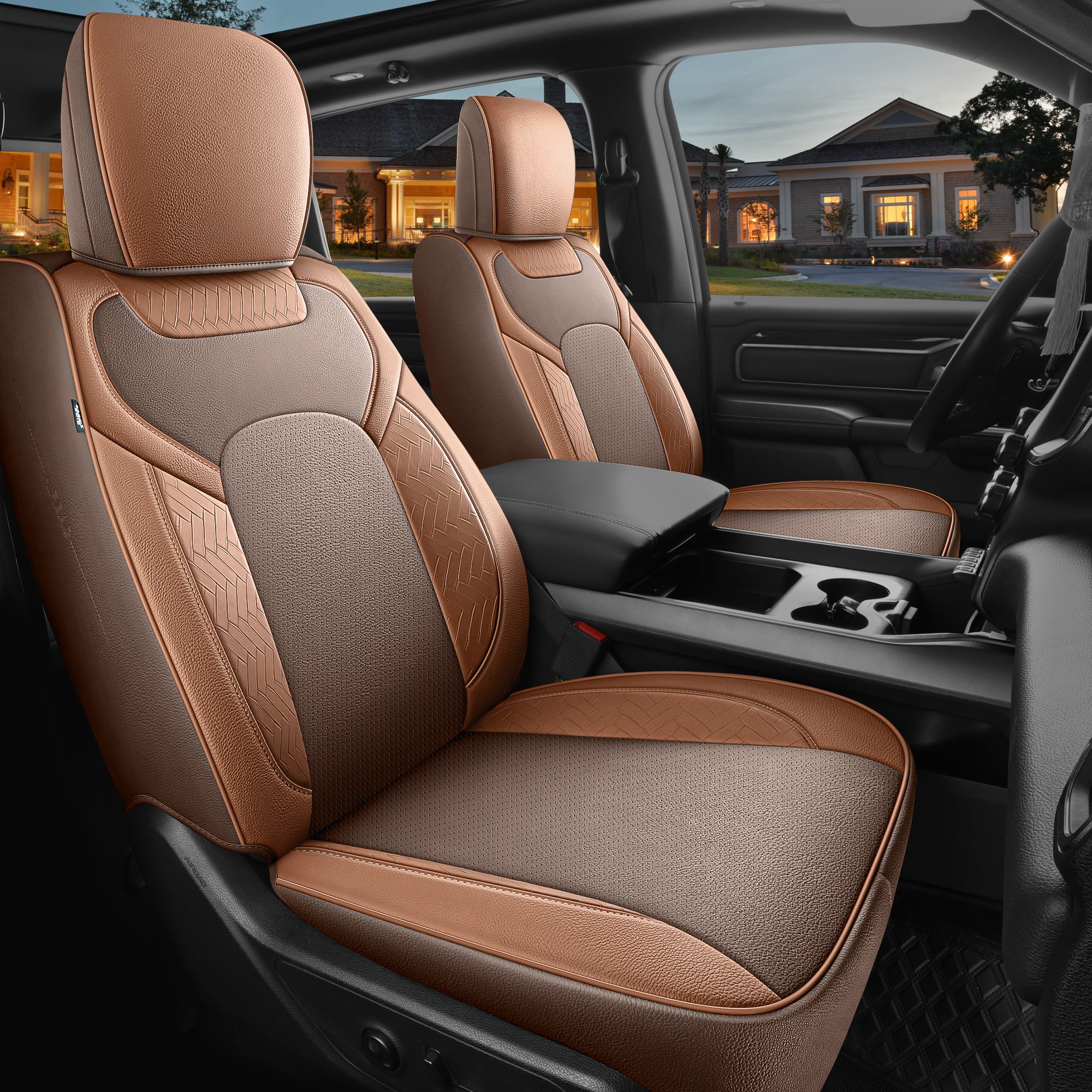
When a Dodge Ram works as hard as you do, the interior takes a beating—sun, mud, tools, kids, and long hauls all leave their mark. Most seat covers either feel like an afterthought or look decent until the first real challenge. Red Rain changes that with Red Rain seat covers built specifically for Dodge Ram trucks. They combine a snug, factory-like fit with materials that hold up to daily abuse while keeping you comfortable on every drive. If you want protection that doesn't sacrifice style or feel, here's what sets these covers apart.
Padding That Stays Supportive After Hour Three Behind the Wheel
Most seat padding feels fine for the first twenty minutes, then quietly gives up. The real test is whether the foam can keep its shape and rebound after hour three of highway driving. Here, the cushion layers are stacked with high-density memory foam near the base and a slightly softer top layer that doesn't collapse under sustained pressure. That combination lets your hips and tailbone settle without bottoming out against the seat frame.
What you notice over a long stretch is the absence of that dull ache creeping up the back of your thighs. The padding doesn't just cushion on impact; it spreads your weight more evenly across the seat pan. A subtle center relief channel reduces direct pressure on the spine, while firmer side bolsters keep your pelvis from tilting as fatigue sets in. It's a designed balance between plush comfort and quiet structural support.
By the time the odometer rolls past the two-hundred-mile mark, you won't be shifting around looking for a new spot. The material breathes well enough to avoid that sticky heat buildup, and the rebound stays consistent. It's not about feeling like a living room recliner. It's about getting out of the car without that stiff, unwinding pause at the first rest stop.
Mud, Coffee, and Paw Prints Meet Their Match
The back door used to tell the whole story of the morning: a smear of coffee from a jostled mug, wet footprints from a dog who found the one puddle in the yard, and a scattering of dirt that somehow traveled farther than the dog did. None of it waited for permission, and most of it reappeared within the hour.
What changed wasn't a stricter routine or a ban on rainy walks. It was having something in the entryway that took the hits without turning the hallway into a slip zone. Coffee drips, muddy paw marks, the occasional tipped-over planter, all of it lands and stays put instead of spreading across the floor.
Now the first few steps inside stay dry, the towel stays on its hook more often, and cleanup takes about as long as rinsing a mug. The dog still finds every puddle, and the coffee still sloshes now and then, but neither one gets the final word.
A Fit That Follows Dodge Ram Seat Contours Instead of Guessing
Most covers begin with a flat pattern and rely on foam compression to fake a good fit. That falls apart on Ram seats, where the side bolsters rise sharply and the shoulder wings taper in a way generic fabric can’t track. A cover shaped from the Ram’s actual seat map drops into those curves instead of stretching across them, so the cloth rests against the foam rather than hovering over it.
The tell is in the small zones: around the headrest posts, along the front thigh extension, and near the side airbag panel. When the seams sit where the factory seams sit, the cover doesn’t pinch the cushion or leave a soft pocket behind the lower back. It moves with the seat’s own geometry, which keeps the bolsters defined and the center panel free of that loose, gathered look.
After a few heat cycles and long drives, the difference gets clearer. Universal fabric creeps and bunches at the edges, while a contour-matched cover has nowhere to drift. Slide a hand across the seatback and you’ll feel the same rise and fall as the original upholstery, just wrapped in something built for daily abuse instead of showroom guesses.
Fabrics That Breathe Before the Cab Heats Up
Sun on the windshield does most of the early damage, even when outside air is still mild. A seat covered in a tight synthetic can start feeling like a heating pad before the vents catch up. Breathable fabric slows that down, giving sweat and body heat somewhere to go instead of sealing them between your back and the cushion.
Open knits and mesh panels help in two ways: they let air move through the material, and they release stored heat faster once a window goes down. That is why the first five minutes feel different. Instead of sliding onto a surface that has already soaked up the morning sun, you sit on something that stays closer to air temperature until the rest of the cab decides to follow.
Straps and Seams Built for Gravel Roads and Daily Abuse
The first thing that fails on most gravel bags isn't the fabric, it's the point where a strap meets a seam. That junction gets yanked every time you remount, drag the bag off a fence, or shove it under a hotel bed. So the straps here are cut wider than they need to be and bar-tacked at both ends, with the seam allowance folded under instead of left raw. It's a small difference that stops a loose thread from turning into a blown-out corner 300 miles from pavement.
Daily abuse means more than crashes. It means sun, sweat, dust, and getting stuffed into a trunk next to a bike pump. The seams are double-stitched with a slightly longer stitch length, which sounds backwards, but it lets the panels flex without perforating the laminate. We also box the corners instead of sewing them flat, so when you cinch the straps down hard, the load pulls against the webbing, not the seam itself.
On gravel, vibration is constant. A strap that holds fine on a commute can saw through its own anchor after two hours of washboard. That's why the attachment points are reinforced with the same hypalon patch used on raft bottoms. It's ugly, slightly heavy, and absolutely unwilling to tear. If the seams ever let go, it won't be the bag giving up first.
Wipe-Down Cleanup Without the Stiff Vinyl Feel
Most wipeable surfaces give themselves away the second you touch them—that stiff, slightly tacky feel of vinyl or heavy laminate. This one doesn't. The texture stays soft and fabric-like under your hand, but spills still lift off with a damp cloth and a quick swipe. No soaking, no immediate panic when juice rolls across the seam.
The trick is in how the finish is applied. Instead of a thick plastic layer sitting on top, the coating is worked into the weave so it blocks moisture and stains without flattening the surface. You get the low-maintenance side of wipe-down care without the crinkle or the clammy feel that usually comes with it.
That changes day-to-day use more than you'd expect. Kids settle into it instead of shifting against a cold, stiff seat. And cleanup stays simple: wipe across the seam, let it dry, and it looks like nothing happened.
FAQ
They are cut for specific Dodge Ram model years and cab sizes, so you'll want to check the listing for your exact configuration before ordering. The fit is snug rather than baggy, which helps keep the covers from shifting when you slide in and out.
The material breathes better than cheap vinyl, so you won't get that sticky feeling on long summer drives. They don't have active cooling or heating, but they do a decent job of staying close to cabin temperature.
The seams and high-wear areas like the driver-side bolster are reinforced, and the fabric resists scuffs from tools or boots. If you're regularly throwing heavy gear on the seats, they'll show less wear than the original upholstery would.
Yes, most people can do it in under an hour. You work the covers over the seat backs and bases, then secure the straps and hooks underneath. It helps to have a trim tool to tuck the straps through the plastic trim.
The covers are designed with breakaway stitching in the airbag zones, so the panels can open the way the manufacturer intended. Just make sure the straps aren't routed across the airbag modules when you install them.
Most spills wipe off with a damp cloth, and dried mud can be brushed off once it's dry. For deeper cleaning, you can use a mild upholstery cleaner and let the covers air dry before using the truck again.
They are manufactured in China, but the materials and stitching are selected to meet a higher wear standard rather than just being the cheapest option. The main thing is that the fabric weight and attachment points feel solid once installed.
They include non-slip backing and under-seat straps, so they grip leather better than basic slip-on covers. Some shifting can still happen over time, but an occasional tug on the straps keeps them seated.
Conclusion
Long shifts behind the wheel of a Dodge Ram have a way of exposing seat covers that feel fine for twenty minutes and then turn flat. The China Dodge Ram seat covers take a different route, using padding that keeps its shape well past the third hour without turning the cab into a sauna. The fabric allows air to move, so heat doesn't get trapped on long climbs or when the truck sits in the sun. Instead of relying on a generic profile, the covers follow the Ram's actual seat contours, hugging the bolsters and staying put through entry and exit. The padding doesn't bottom out when you shift position, which keeps long hauls from turning into a test of endurance. That kind of fit matters more than people expect, especially on uneven roads where constant movement turns a bad cover into a daily annoyance.
Mud from work boots, spilled coffee, and paw prints from a dog that thinks the passenger seat belongs to him are all part of owning a truck. The material handles these without demanding a full detailing session, and a quick wipe brings the surface back without the stiff, plastic-like feel that some heavy-duty covers carry. Beneath the easy cleanup, the straps and seams are reinforced for rough use, so gravel roads and repeated sliding in and out don't loosen the cover or split the stitching. That means the quiet details hold up as well as the visible fabric. It's a practical balance: soft enough for daily comfort, tough enough to let the cab handle real life.
Contact Us
Contact Person: Ms. Zhu
Email: [email protected]
Tel/WhatsApp: 86-15906860931
Website: https://www.redrainseatcovers.com