

Best Carbon-Based Fertilizer: Unlocking Nature's Secret to Vibrant Plant Growth
2026-08-08
Discover how carbon-based fertilizers are revolutionizing plant care, and why Tundrr is leading the charge with a formula that mimics nature’s own brilliance.
The Ancient Wisdom of Carbon-Rich Soils
Long before modern science coined terms like carbon sequestration, indigenous communities across the globe nurtured soils that teemed with life and locked away carbon for centuries. The secret lay not in synthetic inputs, but in a profound understanding of natural cycles—mixing charred organic matter, compost, and crop residues directly into the earth. This practice, now often called biochar or terra preta creation, turned otherwise fragile tropical soils into enduring fertility hotspots. It was a quiet, generational dialogue with the land, where every ash heap and midden became a deliberate investment in the soil’s future.
What makes these ancient carbon-rich soils so remarkable is their resilience against degradation. In the Amazon basin, patches of terra preta remain incredibly fertile hundreds of years after they were first enriched, holding nutrients and water far better than surrounding oxisols. The carbon matrix within them doesn’t just store carbon—it builds a subterranean architecture that invites fungi, bacteria, and root hairs to thrive. This symbiotic environment breaks the typical boom-and-bust cycle of tropical agriculture, sustaining crops generations after the original makers have vanished. It’s a testament to a deeply local, intuitive grasp of soil biology that modern agronomy is only beginning to decode.
Rather than chasing high-tech fixes, we might look back to this ancient wisdom for grounding. The principle is startlingly simple: feed the soil with stable, carbon-dense materials, and the soil will feed you indefinitely. Across continents, from African kitchen gardens to pre-Columbian raised fields, people discovered that charcoal, bone, and manure blended into the earth created a living sponge. Reviving these techniques today doesn’t mean replicating the past exactly, but adapting its core insight—that carbon is the currency of soil health—into our own contexts. In doing so, we may find that the oldest soil-building traditions are also the most forward-looking.
How Carbon Fuels the Underground Ecosystem
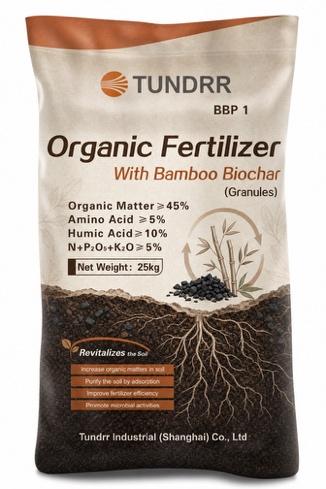
Beneath our feet, a hidden world thrives in darkness, and carbon is its primary currency. Organic matter from surface plants and animals seeps into the soil, becoming a rich feast for bacteria, fungi, and countless other microorganisms. These tiny decomposers break down complex carbon compounds, releasing energy that powers their growth and, in turn, feeding a sprawling food web. Without this steady drizzle of carbon from above, the subterranean realm would grind to a halt, its inhabitants starved of the fuel they need to survive.
But carbon does more than just feed—it shapes the very architecture of life underground. Plant roots, enriched with sugars and carbohydrates, leak carbon into the soil, fostering bustling microbial communities right around their tips. These microbes, in gratitude, unlock nutrients like nitrogen and phosphorus, making them available to the plants. This silent barter system builds soil structure, stores carbon for centuries, and even influences which gases escape into the atmosphere. It’s a slow, intricate dance where every molecule of carbon counts.
And in the deepest, most oxygen-starved pockets of the earth, carbon takes on yet another role: a time capsule of energy. Here, ancient carbon gets packed into peat bogs, permafrost, and mineral-bound stores, locked away for millennia. Specialized archaea and bacteria slowly tap these reserves, eking out an existence in the absence of light or fresh air. Their metabolism, though sluggish, releases potent greenhouse gases like methane, linking the underground economy to the climate overhead. It’s a reminder that carbon’s journey never truly ends—it just changes guardians.
From Kitchen Scraps to Garden Gold: The Carbon Cycle
Turning kitchen scraps into rich garden soil isn't magic—it's the carbon cycle at work, right in your backyard. Every banana peel, coffee ground, and eggshell you toss into the compost pile becomes a meal for microbes, fungi, and worms. They break down the organic matter, releasing carbon dioxide, heat, and eventually, stable carbon compounds we call humus. That dark, crumbly substance is garden gold: it improves soil structure, holds moisture, and slowly feeds plants.
What's fascinating is how this miniature carbon cycle mimics nature's grand system. In a forest, fallen leaves and deadwood decompose without anyone turning a pile. At home, we speed things up by balancing greens—nitrogen-rich kitchen scraps—with browns like dried leaves or cardboard, which supply carbon. The microbes respire, just as we do, converting carbon in the scraps into energy and releasing CO₂. But a significant portion of the carbon gets locked into the soil, where it can stay for years, boosting fertility and even helping to offset atmospheric carbon in a small way.
When you spread compost on your garden, you're not just feeding plants; you're closing a loop. The carbon that vegetables pulled from the air during photosynthesis returns to the soil, ready to nourish the next crop. It's a simple, ancient rhythm—one that transforms what many consider waste into the foundation of a thriving garden. No synthetic additives, no landfill guilt. Just the quiet, profound work of the carbon cycle, turning your kitchen scraps into the darkest, richest treasure your plants will ever know.
Supercharging Photosynthesis with Carbon Fertilizers
Plants rely on photosynthesis to convert sunlight into energy, but their natural process is often limited by the amount of CO₂ available. By delivering concentrated carbon dioxide directly to leaves, carbon fertilizers bypass this bottleneck, giving plants an immediate boost. This isn’t about altering genetics—it’s simply providing the raw material they crave, making every ray of sunshine work harder.
Think of it like putting a high-performance fuel into an engine. The extra carbon in the air around the foliage allows for faster sugar production, which fuels stronger growth, fuller blooms, and bigger yields. It’s a practical fix that modern growers are adopting, from greenhouses to indoor farms, to turn modest spaces into productivity powerhouses.
The result isn’t just taller plants—it’s a fundamental shift in efficiency. With ambient CO₂ levels often capping potential, a well-timed carbon supplement can keep photosynthesis racing even under low light or heat stress. That means healthier crops, richer harvests, and a straightforward edge that nature alone rarely offers.
Debunking Myths: Carbon vs. Synthetic Fertilizers
There’s a stubborn idea floating around that synthetic fertilizers are inherently destructive to soil life, while carbon-based inputs are the gentle saviors of the earth. But that clean split ignores a lot of messy reality. Synthetic nitrogen, for instance, can actually feed soil microbes – they’re not picky about where their nitrogen atoms come from. The problem isn’t the molecule itself, but the imbalance that comes from dumping one nutrient in isolation, season after season, without returning anything else to the system. Carbon amendments do more than just feed plants; they build structure, buffer pH, and create habitat. But a blanket preference for “carbon” over “synthetic” misses the point: it’s not an either-or moral choice. A well-timed synthetic boost, paired with a long-term carbon strategy, often outperforms blind adherence to either side of the myth.
The carbon footprint conversation gets twisted, too. People love to repeat that synthetic fertilizers are made from fossil fuels and release nitrous oxide – a powerful greenhouse gas. True. But what’s rarely mentioned is that mismanaged organic sources can emit just as much, and sometimes more, when they decompose anaerobically or are overapplied. Compost that gets shipped across the country loses its climate halo pretty quickly, while the industrial efficiency of a urea plant might actually pencil out better per ton of food produced, if we’re honest about the full picture. The myth hides the real lever: it’s not the type of fertilizer, but how it’s applied, when, and with what support system. That’s the conversation that gets drowned out by the carbon-vs-synthetic shouting match.
Then there’s the biological blind spot. Synthetic fertilizers get blamed for creating “dead” dirt, but carbon alone doesn’t automatically fix that. A soil can be loaded with organic matter and still lack the microbial diversity to cycle nutrients well. And a conventionally fertilized field, with careful cover cropping and reduced tillage, can hum with life. The myth that carbon inputs are always “regenerative” and synthetics always “extractive” falls apart when you look at the complexity of real farms. Carbon can be just as extractive if it’s mined peat or shipped coco coir drenched in fossil-fueled processing. The truth is that both tools can degrade or restore, depending entirely on their context. Breaking the myth means accepting that nuance, not picking a side.
Real Gardens, Real Results: Carbon Fertilizer Success Stories
Martha in Ohio had tried just about everything to revive her backyard tomato patch, but the soil always seemed to fight back. Last spring, she amended her beds with a carbon-based fertilizer derived from biochar and composted yard waste. Within weeks, the plants stood taller and the leaves took on a deeper green. By midsummer, she was harvesting double the fruit she’d ever gotten before—some clusters so heavy they needed extra staking.
Down in Texas, a rose enthusiast named Clifford watched his prized bushes struggle through a drought year until a neighbor mentioned carbon fertilizer. He worked it into the root zone in early March, not expecting much with the heat already building. To his surprise, the roses held their blooms longer and required far less water than usual. The petals came out richer in shade, and the bushes kept pushing new growth even through the worst of July.
A community garden in Oregon decided to test carbon fertilizer on a row of depleted greens that never quite produced. They mixed the granular amendment into the top few inches and planted lettuce, kale, and chard. The harvest was so abundant that volunteers started handing out bags at the local food bank. Even the garden’s oldest members admitted they had never seen such tender, fast-growing leaves—and they’ve since switched the entire plot over to carbon-based feeding.
FAQ
Carbon-based fertilizers are soil amendments that use organic carbon compounds as the primary carrier for nutrients. Unlike synthetic options that focus mainly on NPK ratios, these products feed the soil's microbial life first, which in turn makes nutrients more accessible to plants. The carbon acts as a long-term energy source for beneficial bacteria and fungi, promoting a living soil ecosystem rather than a sterile growing medium.
Carbon serves as a foundational building block for all life, and in the soil, it fuels the microorganisms that break down organic matter into plant-available nutrients. When you add carbon through a fertilizer, you're essentially giving the soil's workforce the energy it needs to process minerals, improve soil structure, and create natural chelates that help roots absorb more nutrients. This leads to stronger root systems, richer foliage, and more resilient plants.
The main advantages are improved soil structure, better water retention, and a slow, steady release of nutrients that won't burn your plants. Over time, you'll notice fewer pest and disease issues because the plants are healthy from the ground up. Additionally, carbon-rich soil sequesters more moisture and resists compaction, which means less watering and easier root penetration.
Absolutely. Unlike salt-based synthetics that can degrade soil texture and harm microbial life, carbon-based fertilizers build organic matter content with every application. This raises the soil's cation exchange capacity, buffers pH, and encourages earthworm activity. The result is crumbly, dark soil that holds nutrients like a sponge rather than letting them wash away.
While nearly all plants benefit from a carbon-rich root environment, heavy feeders like tomatoes, peppers, and flowering perennials show remarkable improvements. Lawns also green up more deeply and resist drought stress. Even houseplants respond with vigorous growth because the microbial activity in the pot creates a natural, self-regulating growing medium.
For garden beds, mix the granules into the top few inches of soil before planting, then side-dress around established plants during the growing season. With containers, blend it into the potting mix at a rate of about 2-3 tablespoons per gallon of soil. Water it in well to kickstart microbial activity. Avoid simply spreading it on the surface without incorporation, as soil contact is essential for the breakdown process.
You can create a carbon-rich amendment using composted materials like leaf mold, wood chips, or aged manure, but it won't be as concentrated or balanced as a formulated product. True carbon-based fertilizers often include humic acids, biochar, or refined lignite that require specialized processing. However, your homemade compost is an excellent complementary practice that adds both carbon and beneficial organisms.
Carbon is the key because it addresses the engine beneath the soil rather than just feeding the green top. When the soil food web is thriving, plants receive a complete diet of micronutrients, growth-promoting hormones, and protective compounds that synthetic fertilizers can't replicate. It's like upgrading from a processed meal to a whole-food diet—the difference shows in the vibrancy, taste, and durability of everything you grow.
Conclusion
The secret to thriving gardens lies not in modern synthetic shortcuts, but in the age-old wisdom of carbon-rich soils. For centuries, civilizations like the Amazonian Terra Preta builders understood that charred organic matter creates a lasting fertility bank. Unlike synthetic fertilizers that offer a quick nutrient burst and then fade, carbon-based amendments slowly release essential elements while building a sponge-like soil structure. This complex carbon matrix fuels an entire underground ecosystem, providing food and habitat for beneficial microbes, fungi, and earthworms. These organisms, in turn, convert otherwise inaccessible minerals into plant-available forms, creating a self-sustaining cycle that mimics nature's own design. By turning everyday kitchen scraps and garden waste into compost, biochar, or fermented extracts, we actively participate in the carbon cycle, transforming what would be landfill material into garden gold that boosts photosynthetic efficiency and resilience.
Contrary to popular belief, carbon fertilizers do not compete with synthetic options—they outperform them by fostering long-term soil health. While chemical fertilizers can create dependency and degrade soil structure over time, carbon-based feeds enhance the soil's innate ability to hold water and resist compaction, drastically reducing the need for constant reapplication. Real-world examples confirm this: gardeners who switch to carbon-focused methods report fewer pest issues, deeper root systems, and noticeably more vibrant, nutrient-dense produce. Supercharging photosynthesis becomes a natural outcome when plants are supported by a living soil web, not force-fed with salts. The results speak for themselves in lush leaf canopies and abundant harvests, proving that the best fertilizer isn't an isolated product but a holistic system—one that modern science is only beginning to understand, yet ancient farmers mastered long ago.
Contact Us
Contact Person: Ellen Zhang
Email: [email protected]
Tel/WhatsApp: +86(21) 2287 6756
Website: https://www.tundrr.com/en/