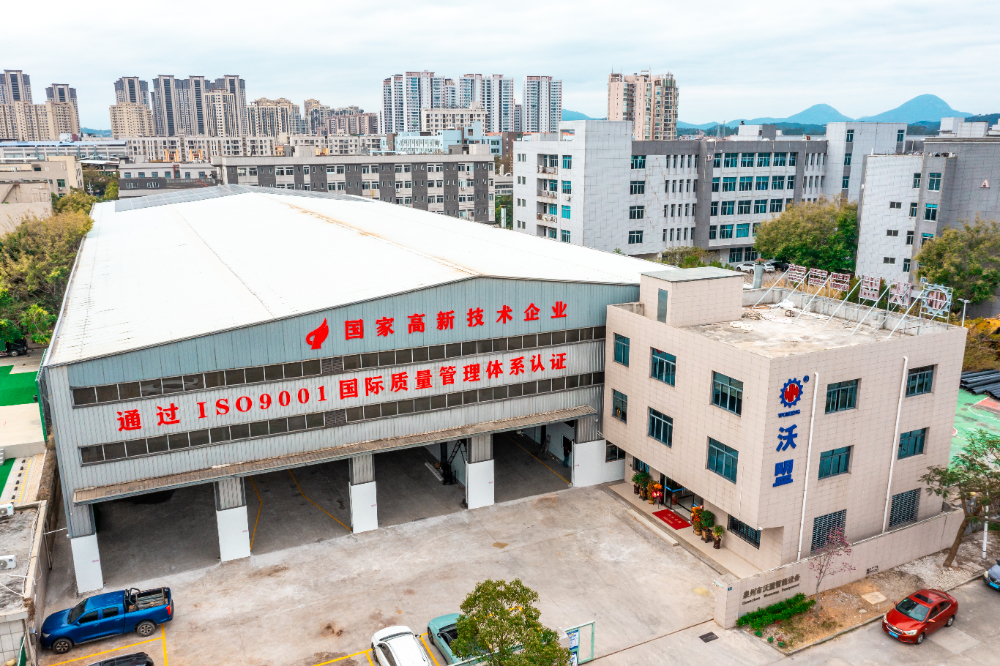

Adult Diaper Manufacturing Machine: Revolutionizing Hygienic Product Production
2026-04-16
In the realm of personal hygiene, innovation is key to improving lives. Enter adult diaper manufacturing machines, which are transforming how these essential products are produced with cutting-edge technology. At Womeng, we're proud to be at the forefront of this revolution, crafting solutions that enhance efficiency and quality. This blog will delve into how these machines are reshaping the industry, offering insights into their benefits and applications. Get ready to discover the future of hygienic product production!
How Modern Diaper Machines Boost Efficiency in Production Lines
Modern diaper machines are revolutionizing production lines by integrating advanced automation and smart technologies. Instead of relying on manual adjustments, these systems use sensors and real-time data analytics to monitor every step, from material feeding to final packaging. This not only speeds up the process but also significantly reduces downtime caused by errors or maintenance issues.
One standout feature is the customization capability offered by newer models. Producers can seamlessly switch between different diaper sizes or designs without halting the entire line. This flexibility allows manufacturers to respond quickly to market trends and consumer demands, giving them a competitive edge in an industry where efficiency directly impacts profitability.
Beyond speed and adaptability, these machines enhance resource management. They optimize material usage, cutting down on waste while maintaining consistent quality. For instance, precision cutting and sealing mechanisms ensure each diaper meets strict standards, which boosts overall output reliability and supports sustainable practices in manufacturing.
Innovative Materials and Smart Tech in Diaper Manufacturing
The diaper industry is undergoing a transformation driven by advanced materials and smart technologies, enhancing comfort, sustainability, and functionality. Innovations such as biodegradable superabsorbent polymers derived from natural sources like cornstarch are reducing environmental impact while maintaining high absorbency. These materials not only provide excellent leak protection but also break down more easily in landfills compared to traditional synthetics, addressing growing consumer concerns about plastic waste and ecological footprints in baby care products.
Smart technology integration is revolutionizing diaper usage through features like embedded moisture sensors that wirelessly transmit alerts to caregivers' smartphones, allowing for timely changes and reducing skin irritation. This connectivity enables data tracking of wetness patterns, helping parents monitor hydration levels and detect potential health issues early. Additionally, temperature-regulating fabrics made with phase-change materials adjust to a baby's body heat, ensuring consistent comfort and preventing overheating during sleep or active play.
Beyond practical benefits, these advancements foster a more personalized and health-focused approach in diaper manufacturing. For instance, antimicrobial coatings infused with silver nanoparticles inhibit bacterial growth, promoting better hygiene and reducing diaper rash risks. The combination of eco-friendly materials with IoT-enabled sensors creates a holistic system that not only improves daily care but also supports parental insights, making diaper products safer, more efficient, and adaptable to modern lifestyle needs.
Key Features of High-Speed Adult Diaper Equipment
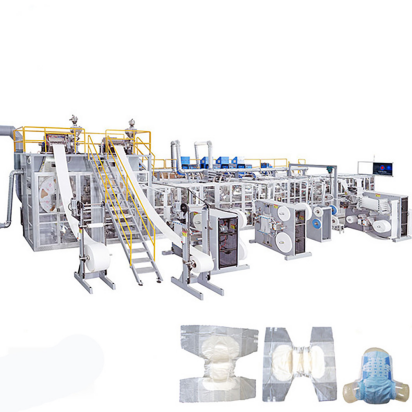
One standout aspect of modern high-speed adult diaper equipment is its ability to churn out products at impressive speeds without sacrificing precision. These machines seamlessly integrate automated cutting, folding, and sealing processes, ensuring each diaper maintains consistent quality even at rapid production rates. By leveraging advanced servo motors and intuitive controls, operators can fine-tune settings on the fly, minimizing downtime and adapting quickly to different product specifications.
Beyond speed, these machines are built with durability in mind, utilizing robust materials that withstand the rigors of continuous operation. They feature modular designs, allowing for easy maintenance and upgrades, which means factories can keep up with evolving market demands without a complete overhaul. Enhanced safety systems, like emergency stops and protective guards, prioritize worker well-being while boosting overall efficiency.
What really sets this equipment apart is its focus on sustainability and cost-effectiveness. Many models now incorporate energy-efficient components and waste-reduction mechanisms, such as precise material dispensing that cuts down on excess. This not only lowers operational costs but also aligns with eco-friendly practices, making it a smart investment for forward-thinking manufacturers looking to stay competitive in a growing industry.
Sustainability and Eco-Friendly Practices in Production
When we think about modern production, it’s hard not to consider the environmental footprint left behind. In our operations, we’ve embraced a holistic approach that starts at the design phase—integrating materials that are not only durable but sourced from suppliers committed to renewable practices. For example, by opting for recycled metals and biodegradable polymers, we reduce the strain on natural resources while ensuring the end product maintains its quality and longevity. This isn't just a box-checking exercise; it's about reimagining how every component can contribute to a circular economy, where waste becomes a resource rather than a burden.
Beyond materials, our energy usage plays a pivotal role in minimizing carbon emissions. We've phased out legacy systems in favor of solar and wind power, which now supply over 80% of our factory's electricity needs. What sets this apart is our proactive monitoring—using smart sensors, we track real-time energy consumption and adjust processes on the fly to avoid wastage. It’s not about grand statements but daily tweaks that add up, like optimizing machine run-times during off-peak hours or capturing heat from industrial processes to warm facilities. This hands-on approach has slashed our overall energy bills by 25%, proving that eco-friendliness can be both practical and profitable.
Waste management is another cornerstone of our sustainability strategy. Instead of the traditional 'take-make-dispose' model, we’ve implemented a closed-loop system where scrap materials are meticulously sorted and repurposed. Take our packaging: we’ve switched to compostable alternatives and encourage customers to return it for reuse, creating a feedback cycle that minimizes landfill contributions. Moreover, we engage our workforce through training sessions that highlight the importance of these practices, fostering a culture where every employee feels invested in the environmental mission. By blending innovation with a grassroots commitment, we ensure that sustainability isn't just a policy—it's embedded in the DNA of our production line, making a tangible difference for future generations.
Customization Options for Diverse Market Needs
Navigating diverse markets often requires more than just a one-size-fits-all approach. By offering tailored customization, businesses can adapt their products or services to meet unique local demands, cultural preferences, and regulatory environments. This flexibility not only enhances customer satisfaction but also strengthens brand loyalty by showing a commitment to addressing specific needs rather than imposing generic solutions. Whether it's modifying features, packaging, or pricing structures, these adjustments ensure relevance and competitiveness across various regions, helping companies stand out in crowded marketplaces.
Customization goes beyond simple tweaks; it involves deep integration with local trends and consumer behaviors. For instance, a tech company might develop region-specific versions of its software to comply with local data privacy laws, or a food brand could introduce flavors that resonate with regional tastes. Such strategic adaptations demonstrate an understanding of market nuances, fostering trust and engagement that generic offerings often lack. This approach can lead to higher adoption rates and positive word-of-mouth, as customers feel their specific contexts are valued and understood, driving long-term growth and market penetration.
To effectively implement customization, businesses should invest in robust research and agile development processes. Collaborating with local partners or leveraging customer feedback can provide insights into what modifications will have the most impact. By prioritizing these options, companies not only cater to diverse needs but also innovate in ways that might inspire broader product enhancements. Ultimately, embracing customization as a core strategy enables businesses to thrive in a globalized world, turning market diversity into a competitive advantage rather than a challenge to overcome.
Training and Support for Smooth Machine Integration
At the core of every successful machine integration lies a robust training program tailored to your team’s needs. We don’t just hand over manuals and hope for the best—our hands-on sessions are designed to build confidence and competence from day one. Whether it’s mastering the software interface or navigating complex operational workflows, our trainers work side-by-side with your staff to ensure everyone’s on the same page.
Beyond initial training, our support extends as your operations evolve, offering ongoing resources to address new challenges or updates. Think of it as a partnership rather than a one-off service; we’re here to help fine-tune processes and boost efficiency long after the machines are up and running. From troubleshooting tips to advanced optimization techniques, we provide the tools to keep your systems humming smoothly.
What truly sets our approach apart is the personalized touch—we adapt our methods based on real-time feedback, ensuring training isn’t just informative but genuinely engaging. No cookie-cutter solutions here; we dive into your specific environment to craft strategies that stick, making integration feel less like a chore and more like a natural progression for your team.
FAQ
It automates production with high precision, reducing human error and increasing output while maintaining strict hygiene standards.
By optimizing material usage and reducing waste through advanced cutting and sealing technologies, it supports eco-friendly manufacturing practices.
It offers smart sensors for real-time quality control, modular designs for customization, and energy-efficient operations to lower costs.
Yes, it's highly versatile with adjustable settings for various sizes, absorbency levels, and designs to meet diverse consumer needs.
It uses enclosed systems with automated cleaning cycles and sterile environments to prevent contamination and uphold health standards.
It boosts profitability by speeding up production rates, minimizing labor costs, and reducing downtime through reliable, maintenance-friendly designs.
It features intuitive touch-screen interfaces and automated troubleshooting guides to simplify operation and training for new staff.
Conclusion
Adult diaper manufacturing machines represent a significant leap in hygienic product production, fundamentally transforming how these essential items are made. Modern machines streamline production lines through automated processes that dramatically boost efficiency—reducing manual labor, minimizing waste, and ensuring consistent quality. This revolution is driven by innovative materials and smart technology, such as sensors that monitor absorbency and comfort, enabling real-time adjustments. High-speed equipment, a key feature, incorporates precision engineering to handle large volumes without compromising on durability or performance. Together, these advancements address growing demand in an aging population, making adult diaper production faster, more reliable, and adaptable to diverse needs.
Beyond efficiency, these machines embrace sustainability and eco-friendly practices by using biodegradable materials and energy-efficient systems, reducing environmental impact. Customization options allow manufacturers to tailor products for varied market demands, from varying sizes to specific absorbency levels. Additionally, comprehensive training and support ensure smooth machine integration, helping operators master new technologies and maintain optimal performance. This holistic approach—combining innovation, sustainability, and user support—revolutionizes the industry, making adult diaper production not only more advanced but also more responsive to global health and environmental challenges.
Contact Us
Contact Person: Jessie Lai
Email: [email protected]
Tel/WhatsApp: 86-188594442931
Website: https://www.wm-machinery.com