

3D Silicone Heat Transfer Labels: The Ultimate Branding Solution for Modern Companies
2026-11-16
Walk into any modern retail space and you’ll notice one thing: brands are no longer content with flat, forgettable logos. The shift toward tactile, dimensional branding is real, and 3D silicone heat transfer labels are leading that charge. For companies tired of labels that peel, fade, or simply blend into the background, these raised, rubber-like marks offer a premium feel that customers can literally touch. But not all heat transfer labels are created equal—durability, flexibility, and fine detail vary wildly between suppliers. That’s where Victorygen heat transfer label enters the picture. In this post, we’ll explore why 3D silicone is becoming the go-to branding solution for modern companies, what separates a mediocre label from a lasting one, and how to choose a partner that won’t let your brand’s first impression fall flat.
Why Flat Labels No Longer Cut It
A plain label used to be enough because the choices were simpler and fewer. Now shelves and screens are crowded with options, and a flat, static tag simply disappears into the background. It carries no story, no reason to pause.
People have learned to tune out anything that looks generic. If a label doesn't offer texture, contrast, or a hint of personality, it gets skipped in under a second. The old approach treated labels as legal requirements or afterthoughts, but that mindset now works against the product itself.
What works instead is labels with layered information, tactile details, or subtle interactions that invite a second look. Whether it's embossed paper, a peel-back panel, or a digital tag that responds to touch, the goal is to make the label earn its place rather than assume it.
The Texture That Makes People Reach Out
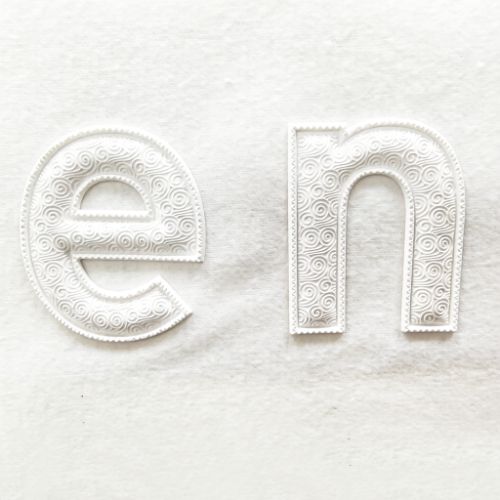
Some surfaces practically beg for fingertips. It might be the faint grain of unpolished stone, the soft give of brushed leather, or the way a woven fabric catches light and shadow at every intersection. These are not textures you merely see—they register as an invitation, a quiet pull that bypasses language and goes straight to the hand.
The urge to touch often comes from a mismatch between expectation and reality. A matte, slightly pebbled finish looks like it should feel cool and gritty, yet it yields with a gentle warmth. That tiny surprise—the brain’s prediction being gently corrected—creates a spike of curiosity. It’s why people drag a finger along a ceramic bowl’s unglazed base or press their palm flat against a concrete wall in a garden: the texture suggests a story that touch alone can finish.
This kind of tactility doesn’t need to shout. It works by being just irregular enough, just warm enough, just present enough to stir a physical response. Designers and makers who understand that quiet tension create objects that people don’t just admire—they pick up, turn over, and remember with their skin long after the eyes have moved on.
From Apparel to Electronics: One Label, Endless Uses
The same label technology that survives daily wear on a cotton T-shirt also holds up on the metal housing of a tablet. It starts with the adhesive: a pressure-sensitive formula that grips fabric fibers without stiffening them, yet also bonds to smooth polycarbonate and brushed aluminum. This means a single label stock can move with stretchable knit or stay put on a device that gets warm during charging.
On apparel, the label carries washing instructions and brand marks, often using woven or satin finishes that resist fraying after dozens of laundry cycles. On electronics, the same core material is overprinted with regulatory symbols, serial numbers, and short user prompts. The surface may change from textured cotton to anodized metal, but the print stays crisp and legible.
That kind of range removes the need to source separate label types for soft goods and hard goods. Designers can keep one spec, one supplier, and one approved color palette across a whole product line. The result is less inventory complexity and a more consistent brand presence, whether the label ends up inside a shirt collar or on the underside of a wireless speaker.
How 3D Silicone Labels Survive the Wash (and Everything Else)
A standard cloth label starts to fray after a dozen cycles, but 3D silicone labels don't rely on woven threads or printed ink that can crack. The raised surface is molded from a single piece of flexible silicone, so there are no edges to unravel. When you toss a jacket or backpack into the washer, the label flexes with the fabric instead of fighting against it. Detergent, hot water, and high spin speeds leave no visible wear because the material simply absorbs the stress and springs back.
Drying is where most labels fail either from heat shrinkage or adhesive breakdown. Silicone handles both without issue. It stays stable up to temperatures far beyond what a household dryer produces, and the label doesn't peel because it's often sewn or bonded with a heat-activated film that becomes part of the garment itself. Even after months of weekly washes, the raised logo keeps its crisp edges and color, whether it faces chlorine from a pool or mud from a trail run.
A Branding Detail That Feels as Good as It Looks
There’s a moment when someone picks up a business card and runs a thumb across the letterpress. That tiny ridge, the way light catches the impression, turns a flat graphic into something you can almost hear. It’s not just a logo anymore — it’s a small, deliberate kindness.
Most brands stop at color codes and typography. But the details you can feel — soft-touch laminate on a package, a debossed monogram on a notebook, the weight of cotton paper in an envelope — linger longer than any hero image. They make the brand feel considered rather than manufactured.
When a tactile choice aligns with the visual story, it creates a quiet confidence. People may not name why they trust a brand, but their fingertips remember the slight resistance of a textured label or the cool edge of a beveled card. That’s the kind of branding detail that earns a second touch.
Standing Out on the Shelf Without Saying a Word
On a crowded shelf, silence can be louder than any slogan. A package that refuses to rely on words makes its case through shape, material, and palette. A matte black box with one embossed symbol can halt a hand mid-reach. A bottle with the heft of river stone invites touch before thought. These choices speak in a language shoppers feel before they read.
Contrast is not only about color; it's about tension. Rounded edges among sharp rectangles, a single stripe of neon on unbleached kraft, a closure that clicks with unexpected weight. Each detail creates a small disruption in the visual rhythm of the aisle, making the product impossible to ignore without shouting.
The best packaging does not ask for attention—it earns it. It whispers a story through texture, form, and negative space. By the time anyone reads a label, the decision is already half-made. The shelf is quiet, but the object in hand is already saying everything.
FAQ
They're raised, flexible badges made from silicone that get fused onto fabric or other materials using heat and pressure. The result is a dimensional, rubbery logo or design that stands out from the surface instead of sitting flat like a printed tag.
Traditional labels can fade, fray, or feel scratchy against the skin. 3D silicone versions hold up better to washing and stretching, and they add a tactile, premium feel that makes products look more expensive and intentional.
They work especially well on sportswear, outdoor gear, bags, hats, and footwear—anything that gets heavy use. The raised texture also gives tech accessories and promotional merchandise a more distinctive, branded edge.
Silicone is highly resistant to abrasion, moisture, and temperature swings. With proper heat application, the label bonds deeply into the fabric, so it won't crack like PVC or peel like an iron-on decal after repeated washes.
Yes. Molds can be made for fine details and multiple layers, and different silicone colors can be combined in one piece. You can also add special effects like glow-in-the-dark, metallic flakes, or matte finishes.
They need a substrate that can handle heat and pressure, so very thin or heat-sensitive synthetics can be tricky. Also, extremely small text or ultra-thin lines may lose sharpness in the molding process, so it's best to simplify tiny details.
It varies by manufacturer, but many require at least a few thousand pieces because creating the mold is the main upfront investment. Some smaller studios offer lower quantities for prototyping, though the per-unit cost will be higher.
Most are machine washable, but it's wise to turn garments inside out and use a gentle cycle with cold water. Avoid direct ironing on the label and skip harsh solvents or bleach, which can dull the silicone's finish.
Conclusion
Flat labels have become background noise. A 3D silicone heat transfer label changes that instantly—it adds depth you can feel, a raised surface that invites touch before a single word is read. That tactile quality matters more than most brands realize. When someone runs a thumb over a logo on a hoodie, a water bottle, or a laptop sleeve, the brain registers quality. It’s no longer just printed; it’s present. These labels hold that raised detail through hundreds of wash cycles, abrasion, and temperature swings without peeling or fading. That kind of endurance means the brand mark stays sharp long after the product has been broken in.
Versatility is another reason they work across apparel, footwear, bags, and electronics. One label adapts to curved seams, stretchy fabrics, and hard shells without losing definition. On a crowded shelf, that raised emblem works quietly—catching light, casting small shadows, and making a product feel more expensive before the customer knows why. It’s a detail that feels as good as it looks, and that combination is rare. For modern companies tired of blending in, 3D silicone heat transfer labels offer a way to signal quality without loud graphics or extra packaging.
Contact Us
Contact Person: Wang Song Lin
Email: [email protected]
Tel/WhatsApp: +8613751282193
Website: https://www.heat-transferprinting.com/